
Filter
879
Featured
3
6
Language
Document type
389
95
89
56
49
44
42
28
20
20
17
16
12
1
1
Countries
384
85
26
18
16
11
10
6
5
5
4
4
4
4
3
3
2
2
1
1
1
1
1
1
1
1
1
1
1
1
1
1
1
1
1
1
1
1
1
Authors & Publishers
Publication Years
Category
562
76
56
36
4
2
Over one third of all deaths in Kenya in 2019 were attributed to NCDs (Vos et al., 2020). The four major NCDs – CVDs, cancer,
diabetes and chronic respiratory diseases – accounted for 57% of these deaths. Furthermore, the direct and indirect economic
impact of NCDs is significant- Kenya is sai
...
The Pan American Health Organization (PAHO) provides comprehensive information on noncommunicable diseases (NCDs), including cardiovascular diseases, cancers, diabetes, and chronic respiratory diseases. The website emphasizes that NCDs are the leading cause of death and disability globally, accounti
...
The Pan American Health Organization (PAHO) provides comprehensive information on noncommunicable diseases (NCDs), including cardiovascular diseases, cancers, diabetes, and chronic respiratory diseases. The website emphasizes that NCDs are the leading cause of death and disability globally, accounti
...
The World Health Organization's Global Health Observatory (GHO) provides comprehensive data on noncommunicable diseases (NCDs), including cardiovascular diseases, cancers, chronic respiratory diseases, and diabetes. The portal offers country-specific statistics on NCD mortality rates, risk factors,
...
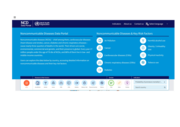
The Noncommunicable Diseases (NCD) Data Portal offers comprehensive data on NCDs such as cardiovascular diseases, cancer, diabetes, and chronic respiratory diseases. It provides country-specific information on NCD mortality rates, risk factors, and national responses, facilitating analysis and compa
...
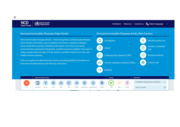
The Noncommunicable Diseases (NCD) Data Portal offers comprehensive data on NCDs such as cardiovascular diseases, cancer, diabetes, and chronic respiratory diseases. It provides country-specific information on NCD mortality rates, risk factors, and national responses, facilitating analysis and compa
...
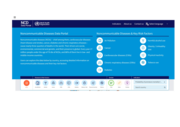
The Noncommunicable Diseases (NCD) Data Portal offers comprehensive data on NCDs such as cardiovascular diseases, cancer, diabetes, and chronic respiratory diseases. It provides country-specific information on NCD mortality rates, risk factors, and national responses, facilitating analysis and compa
...
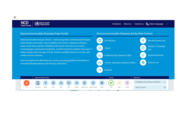
The Noncommunicable Diseases (NCD) Data Portal offers comprehensive data on NCDs such as cardiovascular diseases, cancer, diabetes, and chronic respiratory diseases. It provides country-specific information on NCD mortality rates, risk factors, and national responses, facilitating analysis and compa
...
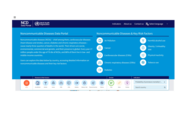
The Noncommunicable Diseases (NCD) Data Portal offers comprehensive data on NCDs such as cardiovascular diseases, cancer, diabetes, and chronic respiratory diseases. It provides country-specific information on NCD mortality rates, risk factors, and national responses, facilitating analysis and compa
...

The WHO Eastern Mediterranean Region's Noncommunicable Diseases (NCD) Data and Statistics page offers comprehensive information on NCD surveillance, including mortality rates, morbidity, and risk factor exposures. It emphasizes the importance of monitoring NCD trends to inform prevention and control
...
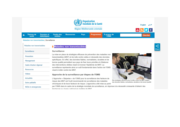
The WHO Eastern Mediterranean Region's Noncommunicable Diseases (NCD) Data and Statistics page offers comprehensive information on NCD surveillance, including mortality rates, morbidity, and risk factor exposures. It emphasizes the importance of monitoring NCD trends to inform prevention and control
...
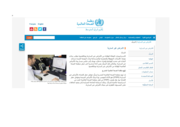
The WHO Eastern Mediterranean Region's Noncommunicable Diseases (NCD) Data and Statistics page offers comprehensive information on NCD surveillance, including mortality rates, morbidity, and risk factor exposures. It emphasizes the importance of monitoring NCD trends to inform prevention and control
...
The World Health Organization (WHO) provides a collection of case studies titled "Stories from the Field," highlighting global efforts to prevent and control noncommunicable diseases (NCDs) such as cancer, diabetes, heart, and lung diseases. These narratives showcase how various countries implement
...
The World Health Organization (WHO) has developed the "Implementation Roadmap 2023–2030" to advance the Global Action Plan for the Prevention and Control of Noncommunicable Diseases (NCDs) 2013–2030. This roadmap addresses the recommendations from the mid-term evaluation of the original action p
...
The WHO EMRO webpage on the "Regional framework for action" outlines strategies for addressing noncommunicable diseases (NCDs) within the Eastern Mediterranean region. The framework provides a roadmap for countries to reduce the prevalence and impact of NCDs such as cardiovascular diseases, diabetes
...
People with diabetes mellitus are at an increased risk for foot ulcerations as a result of poorly controlled blood glucose which may lead to gangrene. These patients are at a high risk for lower limb amputations, higher healthcare costs, and lower quality of life. This course aims to cover the preve
...
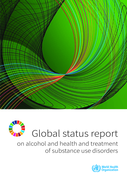
The Global status report on alcohol and health and treatment of substance use disorders presents a comprehensive overview of alcohol consumption, alcohol-related harm and policy responses as well as treatment capacities for alcohol and drug use disorders worldwide. The report is based on data collec
...
This course aims to provide information on the basic understanding of palliative care and the elements of service program for delivering palliative care. The course contents will also include the considerations in managing signs, symptoms and assessing the patient as well as communicating with the p
...
The Department of Noncommunicable Diseases and Mental Health (NMH) is responsible for promoting, coordinating, and implementing technical cooperation activities related to the prevention, control, and surveillance of noncommunicable diseases, all forms of malnutrition, mental health, neurological an
...
Chronic noncommunicable diseases (NCDs) are the number one cause of death and disability in the world. The term NCDs refers to a group of conditions that are not mainly caused by an acute infection, result in long-term health consequences and often create a need for long-term treatment and care. The
...
