Filter
4433
Filtered Results: 4433
Text search:
U.S.
Department
of
Human
Services
Featured
Recommendations
352
New Publications
1171
Language
Document type
No document type
2630
Studies & Reports
822
Guidelines
429
Manuals
236
Strategic & Response Plan
168
Training Material
72
Fact sheets
36
Situation Updates
21
Resource Platforms
7
Brochures
6
Infographics
6
Countries / Regions
Global
195
India
153
Kenya
130
South Africa
126
Uganda
96
Nepal
89
Nigeria
81
Sierra Leone
78
Ethiopia
76
Myanmar / Burma
76
Latin America and the Carribbean
74
Western and Central Europe
72
Liberia
72
Zambia
66
Malawi
63
Tanzania
60
Africa
56
Rwanda
54
Ghana
53
Bangladesh
53
Syria
49
Philippines
45
Ukraine
43
Namibia
35
Mozambique
32
Asia
32
Indonesia
32
Haiti
31
Congo, Democratic Republic of
30
South Sudan
29
Cambodia
28
South–East Asia Region
28
Eastern Europe
28
Lesotho
26
Zimbabwe
26
Senegal
25
Guinea
24
Botswana
24
Venezuela
21
East and Southern Africa
19
Brazil
19
Colombia
18
Russia
18
Yemen
16
Pakistan
16
Germany
15
Cameroon
14
Burkina Faso
14
USA
13
West and Central Africa
13
Afghanistan
12
Eswatini/ Swaziland
12
Thailand
11
Vietnam
11
Sri Lanka
11
Jordan
10
Middle East and North Africa
10
Central African Republic
10
China
9
Laos
9
Peru
9
Benin
8
Western Pacific Region
8
Paraguay
8
Sudan
8
Albania
7
Eastern Europe and Central Asia
7
Mali
7
Somalia
7
Turkey
6
Chile
6
North America
6
Lebanon
6
Iraq
6
Tajikistan
5
Southern Africa
5
Papua New Guinea
5
Palestine
5
Argentina
4
Georgia
4
Angola
4
North Macedonia
3
El Salvador
3
Canada
3
Portugal
3
Spain
3
Côte d’Ivoire / Ivory Coast
3
Bolivia
3
Moldova
3
Honduras
3
Chad
3
Ecuador
3
Guatemala
3
Timor Leste/ East Timor
2
Mexico
2
Gambia
2
Togo
2
Iran
2
Fiji
2
Estonia
2
Niger
2
Burundi
2
Malaysia
2
Turkmenistan
2
Japan
2
United Kingdom
2
Greece
2
Libya
2
Madagascar
2
Switzerland
1
Australia
1
Kazakhstan
1
Singapore
1
Kyrgyzstan
1
Mongolia
1
Qatar
1
Bulgaria
1
Italy
1
Armenia
1
Dominican Republic
1
Guinea-Bissau
1
Hungary
1
Lithuania
1
Ireland
1
Saudi Arabia
1
Gabon
1
Denmark
1
Belgium
1
France
1
Mauritius
1
Belarus
1
Latvia
1
Belize
1
Costa Rica
1
Panama
1
Nicaragua
1
Egypt
1
Romania
1
Slovakia
1
Poland
1
Bhutan
1
Solomon Islands
1
Authors & Publishers
Publication Years
Category
Countries
1582
Clinical Guidelines
279
Key Resources
275
Public Health
229
Women & Child Health
207
Capacity Building
85
Pharmacy & Technologies
37
Annual Report MEDBOX
2
Toolboxes
Mental Health
413
HIV
382
COVID-19
247
TB
237
Disability
229
Planetary Health
196
AMR
124
Caregiver
110
Conflict
108
Ebola & Marburg
105
NTDs
105
Refugee
90
Global Health Education
83
Natural Hazards
74
Pharmacy
73
Health Financing Toolbox
73
Rapid Response
71
NCDs
71
2.0 Rapid Response
48
Specific Hazards
45
Malaria
34
Cholera
32
Zika
31
Polio
18
Social Ethics
17
Typhoon
4
South Sudan
1
Insecurity Insight Report 13-1.
The Lancet Published Online
October 8, 2021 https://doi.org/10.1016/ S0140-6736(21)02143-7


Integrating the prevention and control of noncommunicable diseases in HIV/AIDS, tuberculosis, and sexual and reproductive health programmes: implementation guidance
The report discusses the epidemiological and social aspects of ageing, health and functional changes experienced with ageing, the impact of physical activity, assessment of the nutritional status of older persons, and nutritional guidelines for healthy ageing.

BMC Infectious Diseases volume 23, Article number: 342 (2023).
Tuberculosis (TB) is among the leading causes of death globally. The disease has a huge burden in Namibia, with a case notification rate of at least 442 per 100,000. To date, Namibia is among the countries with the highest global TB bur...

Snakebite is an acute life threatening time limiting medical emergency. It is a preventable public
health hazard often faced by rural population in tropical and subtropical countries with heavy
rainfall and humid climate.
1.HIV infections – drug therapy. 2.Anti-HIV agents – adverse effects. 3.Anti-retroviral agents. 4.Benzoxazines – adverse effects. 5.Pregnancy. 6.Disease transmission, Vertical - prevention and control. 7.Treatment outcome. I.World Health Organization
Report of a global meeting on yaws eradication surveillance, monitoring and evaluation: Geneva, 29–30 January 2018. World Health Organization.
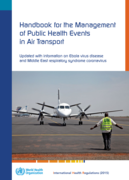
Updated with information on Ebola virus disease and Middle East respiratory syndrome coronavirus
A wide variety of health events ranging in severity may occur related to air transport, requiring different responses or, perhaps, no response at all. The target audience for this guidance document incl...


The findings of the report are both urgent and devastating. At the current rate of progress, by 2040 we would still have 1.9 million new HIV infections and 990,000 AIDS-related deaths in children. But if funding for HIV prevention and treatment continues to fall as current trends suggest, the world ...