
Filter
7149
Filtered Results: 7149
Text search:
Presentation
Featured
Recommendations
746
New Publications
1586
Language
Document type
No document type
3519
Guidelines
1223
Studies & Reports
1128
Manuals
517
Strategic & Response Plan
289
Training Material
238
Fact sheets
112
Situation Updates
40
Resource Platforms
23
Brochures
19
Online Courses
19
Infographics
15
Videos
5
Dashboards/Maps
2
Countries / Regions
Global
315
India
200
Latin America and the Carribbean
139
Congo, Democratic Republic of
127
Western and Central Europe
114
Kenya
113
Africa
105
South Africa
99
Senegal
95
Nigeria
90
Sierra Leone
89
Ethiopia
81
Uganda
78
Liberia
78
Nepal
76
Myanmar / Burma
74
Rwanda
70
Paraguay
62
Bangladesh
57
Ukraine
56
Guinea
56
Ghana
55
Philippines
55
South–East Asia Region
55
Haiti
54
Eastern Europe
54
Colombia
53
Zambia
53
Burkina Faso
52
Malawi
50
Tanzania
47
Argentina
46
Syria
45
Benin
44
Cameroon
42
Venezuela
42
Asia
40
West and Central Africa
38
Russia
33
Namibia
33
Germany
31
Bolivia
31
Mozambique
30
Lesotho
29
Madagascar
29
East and Southern Africa
28
Middle East and North Africa
27
Peru
26
Eastern Europe and Central Asia
26
Zimbabwe
25
Central African Republic
25
Indonesia
25
Mali
21
Ecuador
21
Chile
20
Cambodia
20
Côte d’Ivoire / Ivory Coast
20
Botswana
20
Western Pacific Region
19
Brazil
19
South Sudan
19
Afghanistan
16
Yemen
16
Pakistan
15
El Salvador
12
Jordan
12
Vietnam
11
Sudan
11
Somalia
11
Eswatini/ Swaziland
11
Lebanon
10
Tajikistan
9
Spain
9
Thailand
8
China
8
Burundi
8
USA
8
Sri Lanka
8
Albania
7
Moldova
7
Togo
6
Iran
6
Kyrgyzstan
6
Niger
6
Dominican Republic
6
North America
6
France
6
Angola
6
Iraq
6
North Macedonia
5
Turkey
5
Kazakhstan
5
Laos
5
Jamaica
5
United Kingdom
5
Papua New Guinea
5
Georgia
5
Chad
5
Guatemala
5
Timor Leste/ East Timor
4
Fiji
4
Morocco
4
Guinea-Bissau
4
Uruguay
4
Portugal
4
Nicaragua
4
Honduras
4
Mexico
3
Serbia
3
Gambia
3
Estonia
3
Uzbekistan
3
Bosnia and Herzegovina
3
Southern Africa
3
Egypt
3
Libya
3
Mongolia
2
Qatar
2
Armenia
2
Saudi Arabia
2
Turkmenistan
2
Azerbaijan
2
Djibouti
2
Palestine
2
Bhutan
2
North Korea
1
Switzerland
1
Congo-Brazzaville
1
Vanuatu
1
Bulgaria
1
Mauritania
1
Italy
1
Croatia
1
Lithuania
1
Ireland
1
Japan
1
Denmark
1
Mauritius
1
Tunisia
1
Belarus
1
Israel
1
Belize
1
Costa Rica
1
Panama
1
Romania
1
Greece
1
Poland
1
Solomon Islands
1
Cuba
1
Authors & Publishers
Publication Years
Category
Countries
2178
Clinical Guidelines
738
Women & Child Health
466
Key Resources
430
Public Health
408
Capacity Building
242
Pharmacy & Technologies
113
Annual Report MEDBOX
1
Toolboxes
Mental Health
610
COVID-19
586
HIV
529
TB
432
NTDs
321
Disability
266
Caregiver
256
Rapid Response
233
Planetary Health
228
Ebola & Marburg
217
AMR
193
Global Health Education
130
Malaria
128
Pharmacy
125
NCDs
125
Conflict
122
2.0 Rapid Response
114
Refugee
108
Natural Hazards
70
Zika
70
Cholera
57
Polio
46
Health Financing Toolbox
39
Specific Hazards
29
Social Ethics
25
Typhoon
4

The World Health Organization (WHO) and the global community of countries, partners, donors, technical experts, scientists and field implementation teams continue to work towards the ultimate goal of a world free of the burden of neglected tropical diseases (NTDs).
Human African trypanosomiasis (HAT) has been an alarming global public health issue. The disease affects mainly poor and marginalized people in low-resource settings and is caused by two subspecies of haemoflagellate parasite, Trypanosoma brucei and transmitted by tsetse flies. Progress made in HAT ...
Hand hygiene is vital for safe health care delivery, yet practices at the point of care remain suboptimal worldwide. A comprehensive research agenda is therefore necessary to improve our understanding of factors influencing hand hygiene behaviour and to strengthen appropriate interventions. This age...

This document provides technical guidance on concepts, definitions, indicators, criteria, milestones and tools to assist leprosy programmes in their journey towards the goals of interruption of transmission and elimination of leprosy disease and through the post-elimination period. Importantly, it p...
The Director-General has the honour to transmit to the Seventy-fifth World Health Assembly the report of the seventh meeting of the Working Group on Sustainable Financing, which met in a hybrid format, from 25 to 27 April 2022.
The guide to implementing the One Health Joint Plan of Action (OH JPA) at national level provides practical guidance on how countries can adopt and adapt the OH JPA to strengthen and support national One Health action.
Building on the OH JPA theory of change, this guide describes three pathways a...

Laboratory manual for yellow fever
recommended
This WHO laboratory manual provides the most up to date methods and procedures for the laboratory identification of yellow fever virus infection in humans. It provides guidance on the establishment and maintenance of an effective laboratory providing routine surveillance testing for yellow fever, wh...

Alcohol consumption is deeply embedded in the social landscape of many societies. Several major factors have an impact on levels and patterns of alcohol consumption in populations – such as historical trends in alcohol consumption, the availability of alcohol, culture, economic status and trends i...

Noncommunicable diseases (NCDs) – chief among them, cardiovascular diseases (heart disease and stroke), cancer, diabetes and chronic respiratory diseases – along with mental health, cause nearly three quarters of deaths in the world. Their drivers are social, environmental, commercial and geneti...
World Health Organization. (2022). Toolkit for developing a multisectoral action plan for noncommunicable diseases: module 4: developing an implementation plan.
The present guidelines incorporate all these changes, leading to a substantial reconfiguration of therapeutic choices for both disease forms.
HAT is a serious, life-threatening disease and the efficacy of fexinidazole depends on swallowing the medicine after an appropriate intake of food as well as...

Addressing comorbidities and risk factors for tuberculosis (TB) is a crucial component of the World Health Organization (WHO)’s End TB Strategy. This WHO operational handbook on tuberculosis. Module 6: tuberculosis and comorbidities aims to support countries in scaling up people-centred care, base...
The report provides an update on the cholera outbreak in Haiti as of January and February 2024. A total of 79,411 suspected cases have been reported, with 4,608 confirmed cases and 1,172 deaths across all 10 departments. The most affected regions include Ouest, Centre, Artibonite, and Nord, with chi...

This third regional report discusses gaps and challenges in reducing the harmful use of alcohol and how countries can reverse current trends in a cost-effective and expedited way.
La carga de la diabetes es enorme, posicionándola como uno de los principales desafíos que enfrenta la salud pública en la actualidad. Actualmente, se estima que 62 millones de personas viven con diabetes en la Región de las Américas y las proyecciones muestran que su prevalencia seguirá aumen...
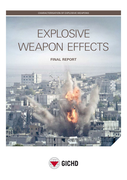
States, the United Nations and civil society organisations continue to raise concerns about the humanitarian impact caused by the use of explosive weapons in populated areas (EWIPA). This issue is currently being examined from political, legal, socio-economic and humanitarian perspectives. The GICHD...
Policy Brief.
Our understanding of how to diagnose and manage Long COVID is still evolving but the condition can be very debilitating. It is associated with a range of overlapping symptoms including generalized chest and muscle pain, fatigue, shortness of breath, and cognitive dysfunction, and the ...
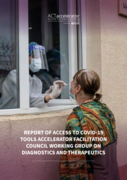
This report’s central premise is that diagnostics and therapeutics, and associated test to treat strategies, are fundamental components of the pandemic response, both for COVID-19 and for future health threats. Two years into the COVID-19 pandemic, this report reflects on the main challenges and k...

This report aims to raise awareness about the role that the reform of public health laws can play in advancing the right to health and in creating the conditions for people to live healthy lives. By encouraging a better understanding of how public health law can be used to improve the health of the ...
