Filter
3254
Filtered Results: 3254
Text search:
Maternal
Mortality
Ratio
Featured
Recommendations
321
New Publications
1042
Language
Document type
No document type
1988
Studies & Reports
495
Guidelines
408
Manuals
137
Strategic & Response Plan
121
Training Material
46
Situation Updates
26
Fact sheets
22
Infographics
5
Resource Platforms
3
Online Courses
2
Brochures
1
Countries / Regions
India
176
Global
136
Kenya
114
Ethiopia
103
Nepal
89
Sierra Leone
81
Nigeria
76
Rwanda
72
Uganda
71
Zambia
65
Liberia
65
Tanzania
64
Myanmar / Burma
64
Malawi
63
Bangladesh
60
South Africa
59
Ghana
54
Latin America and the Carribbean
50
Senegal
41
Africa
40
Western and Central Europe
40
Congo, Democratic Republic of
38
Namibia
38
Lesotho
32
Zimbabwe
31
Philippines
31
Cambodia
31
Haiti
30
South–East Asia Region
24
Indonesia
23
Asia
22
Botswana
22
Burkina Faso
19
Mozambique
18
Ukraine
17
Benin
17
South Sudan
16
Cameroon
14
Guinea
14
Eastern Europe
14
Syria
13
Mali
12
East and Southern Africa
11
Eswatini/ Swaziland
11
West and Central Africa
9
Madagascar
9
Pakistan
9
Eastern Europe and Central Asia
8
Afghanistan
7
Germany
7
Brazil
7
Central African Republic
7
Colombia
6
China
6
Albania
6
Peru
6
Venezuela
6
Côte d’Ivoire / Ivory Coast
6
Sudan
6
Togo
5
Argentina
5
Tajikistan
4
Thailand
4
Mexico
4
Niger
4
Middle East and North Africa
4
Western Pacific Region
4
Paraguay
4
North America
4
Bolivia
4
Vietnam
4
Yemen
4
Iraq
4
Somalia
4
Timor Leste/ East Timor
3
Laos
3
Burundi
3
USA
3
Jordan
3
Southern Africa
3
Lebanon
3
Papua New Guinea
3
Russia
3
Angola
3
North Macedonia
2
Kazakhstan
2
Chile
2
Kyrgyzstan
2
Dominican Republic
2
Jamaica
2
Portugal
2
Spain
2
Moldova
2
Sri Lanka
2
Egypt
2
El Salvador
1
Turkey
1
Iran
1
Singapore
1
Congo-Brazzaville
1
Uzbekistan
1
Mongolia
1
Qatar
1
Bulgaria
1
Armenia
1
Saudi Arabia
1
Uruguay
1
Denmark
1
France
1
Maldives
1
Mauritius
1
United Kingdom
1
Azerbaijan
1
Israel
1
Nicaragua
1
Djibouti
1
Greece
1
Palestine
1
Poland
1
Honduras
1
Chad
1
Libya
1
Bhutan
1
Ecuador
1
Guatemala
1
Authors & Publishers
Publication Years
Category
Countries
1619
Clinical Guidelines
301
Women & Child Health
238
Public Health
211
Key Resources
158
Capacity Building
59
Pharmacy & Technologies
21
Annual Report MEDBOX
1
Toolboxes
COVID-19
178
HIV
174
TB
169
Mental Health
128
AMR
86
Caregiver
80
Planetary Health
75
NCDs
67
NTDs
62
Global Health Education
60
Rapid Response
57
Disability
56
Ebola & Marburg
53
Conflict
52
Malaria
42
Health Financing Toolbox
40
Pharmacy
35
Refugee
32
2.0 Rapid Response
32
Natural Hazards
22
Cholera
14
Social Ethics
14
Polio
14
Zika
13
Specific Hazards
8
Typhoon
2
South Sudan
1

A resource for pesticide registrars and regulators.
The WHO urged governments to restrict access to highly toxic pesticides used for self-poisoning . Other effective interventions include education, youth intervention programs and follow-up of people at risk—and better data. Only 80 out of 183 WH...


Our spiritual health profoundly impacts our physical health, well-being, and quality of life. Just as medical professionals care for our bodies and minds, spiritual care practitioners care for our spirits. The increasing need for spiritual care makes these practitioners even more crucial. However, m...
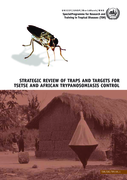
Tsetse traps and targets (insecticide-impregnated screens) function by attracting the flies to a device that collects and/or kills them. Traps can be used for entomological surveillance, and also for control. Targets are simpler than traps, but are not used for surveillance. They are impregnated wit...
Version 1.1
Department of Mental Health and Substance Abuse
This document aims to provide concrete, pragmatic guidance for how TB modelling and related technical assistance is undertaken to support country decision-making. The target audience for this document are the participants and stakeholders in country-level TB modelling efforts, including the individu...

Indoor residual spraying (IRS) involves applying residual insecticide to potential vector resting sites on the interior surfaces of human dwellings or other buildings. The main aim of IRS is to kill vectors before they are able to transmit pathogens to humans. When carried out correctly, IRS has his...

27 May 2021
All countries should increase their level of preparedness, alert and response to identify, manage and care for new cases of COVID-19. Countries should prepare to respond to different public health scenarios, recognizing that there is no one-size-fits-all approach to managing cases and o...
Mid-term review of The National AIDS Programme 2011-15
October 2013

The Global Programme on Tuberculosis & Lung Health of the World Health Organization (WHO/GTB) is now combining all current recommendations into one overall set of consolidated guidelines on TB. The guidelines contain recommendations pertaining to all areas related to the programmatic management of T...

The "Regional Action Plan 2017–2030: Towards a Malaria-Free South-East Asia Region" by the World Health Organization (WHO) outlines a strategic framework to eliminate malaria in the 11 countries of the WHO South-East Asia Region by 2030. It focuses on reducing transmission, particularly of Plasmod...

BMC Infectious Diseases volume 23, Article number: 342 (2023).
Tuberculosis (TB) is among the leading causes of death globally. The disease has a huge burden in Namibia, with a case notification rate of at least 442 per 100,000. To date, Namibia is among the countries with the highest global TB bur...
The Manual for Indoor Residual Spraying in Urban Areas for Aedes aegypti Control is intended not only for operational personnel and middle and senior management of programs responsible for the prevention and control of Aedes-borne diseases, but also for the academic community involved in Aedes resea...

Strengthening global health security to protect the world against future epidemics and pandemics requires well-tested and decentralized capacities for the local detection and rapid containment of outbreaks of infectious disease. For such capacities to translate into effective response actions, ind...

In an era of constrained resources and tightening budgets, strategic prioritization in tuberculosis (TB) programming is more critical than ever. Countries must make informed decisions to allocate limited resources effectively - maximizing impact, preventing avoidable deaths, and sustaining progress ...