
Filter
3847
Filtered Results: 3847
Text search:
children
in
conflict
Featured
Recommendations
345
New Publications
983
Language
Document type
No document type
2114
Studies & Reports
766
Guidelines
383
Manuals
219
Strategic & Response Plan
155
Fact sheets
68
Training Material
60
Situation Updates
57
Brochures
9
Resource Platforms
9
Infographics
3
Online Courses
2
Dashboards/Maps
1
Videos
1
Countries / Regions
Global
228
Syria
142
Myanmar / Burma
108
Ukraine
91
Liberia
85
Kenya
81
Nepal
76
Congo, Democratic Republic of
74
South Sudan
73
Sierra Leone
69
India
69
Yemen
62
Western and Central Europe
60
Nigeria
58
Ethiopia
56
Africa
55
Bangladesh
55
Uganda
54
South Africa
44
Zambia
41
Latin America and the Carribbean
39
Afghanistan
36
Mozambique
35
Malawi
34
Tanzania
33
Rwanda
31
Central African Republic
31
Indonesia
30
Philippines
28
Ghana
26
Venezuela
26
West and Central Africa
25
East and Southern Africa
23
Jordan
22
Germany
21
Middle East and North Africa
20
South–East Asia Region
20
Lebanon
20
Pakistan
20
Asia
19
Senegal
18
Cambodia
18
Sudan
18
Iraq
18
Somalia
18
Colombia
17
Haiti
17
Brazil
16
Guinea
15
Eastern Europe
15
Lesotho
14
Cameroon
14
Eastern Europe and Central Asia
14
Namibia
14
Burkina Faso
12
Zimbabwe
12
Thailand
10
Palestine
10
China
9
Vietnam
9
Moldova
9
Russia
9
Mali
9
Turkey
8
Sri Lanka
7
Greece
7
Angola
7
Eswatini/ Swaziland
7
Iran
6
Peru
5
Botswana
5
Laos
4
Niger
4
Guinea-Bissau
4
Romania
4
Poland
4
Libya
4
Mexico
3
Albania
3
Canada
3
USA
3
Croatia
3
Hungary
3
Western Pacific Region
3
Paraguay
3
Spain
3
Belarus
3
Argentina
3
Egypt
3
Georgia
3
Tajikistan
2
Serbia
2
Benin
2
Togo
2
Chile
2
Singapore
2
Burundi
2
Malaysia
2
Bulgaria
2
Japan
2
Portugal
2
Côte d’Ivoire / Ivory Coast
2
Papua New Guinea
2
Madagascar
2
Guatemala
2
North Korea
1
Switzerland
1
Timor Leste/ East Timor
1
Kyrgyzstan
1
Vanuatu
1
Morocco
1
Mongolia
1
Italy
1
Armenia
1
Lithuania
1
Ireland
1
Saudi Arabia
1
North America
1
Turkmenistan
1
France
1
Mauritius
1
Tunisia
1
United Kingdom
1
Azerbaijan
1
Bosnia and Herzegovina
1
Bolivia
1
Slovakia
1
Honduras
1
Chad
1
Bhutan
1
Solomon Islands
1
Authors & Publishers
Publication Years
Category
Countries
1175
Key Resources
350
Women & Child Health
289
Clinical Guidelines
218
Public Health
177
Capacity Building
80
Pharmacy & Technologies
11
Annual Report MEDBOX
3
Toolboxes
Mental Health
478
Conflict
348
COVID-19
299
Disability
212
HIV
204
Refugee
168
Planetary Health
148
TB
101
Ebola & Marburg
92
Caregiver
89
Global Health Education
89
Natural Hazards
75
NTDs
74
Health Financing Toolbox
57
Rapid Response
53
NCDs
36
Malaria
35
Polio
35
Pharmacy
34
Social Ethics
32
2.0 Rapid Response
32
AMR
28
Specific Hazards
27
Cholera
24
Zika
8
South Sudan
2
Typhoon
2
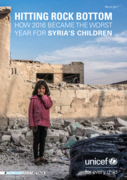
How 2016 became the worst year for Syria's children
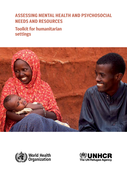
Assessing Mental Health and Psychosocial Needs and Resources Toolkit For Humanitarian Settings
recommended
Available in different languages: English, French, Arabic, Russian
Available in: English, French, Chinese, Spanish, Russian, Arabic, Thai, Korean, Tajik, Vietnamese, Uzbek
http://www.who.int/disabilities/cbr/guidelines/en/
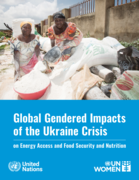
The war in Ukraine has had devasting impact on women and girls
worldwide, widening gender gaps and increasing rates of food insecurity, malnutrition and energy poverty. This brief reviews the available evidence of that impact, recommending urgent attention to its consequences for women and girls. I...

The Global Appeal provides updated information for government, private donors, partners and other readers interested in UNHCR's priorities and budgeted activities for 2021 to protect and improve the lives of tens of millions of people of concern (refugees, internally displaced people, stateless pers...
published in: Viruses 2016, 8, 161
Contributions in International Seminars 1988 -2008
Intercultural Pastoral Care and Counselling, no. 20
In Climate Change 2014: Impacts, Adaptation, and Vulnerability. Part A: Global and Sectoral Aspects. Contribution of Working Group II to the Fifth Assessment Report of the Intergovernmental Panel on Climate Change
For practitioners in humanitarian and development contexts
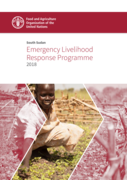
In 2018, the Food and Agriculture Organization of the United Nations (FAO) in South Sudan must respond to the highest levels of food insecurity ever recorded in the country. To address this challenge, FAO revised its multiyear Emergency Livelihood Response Programme (ELRP) to enable rapid food produ...
Dignity in Mental Health
First published in 2020, this toolkit is intended for clinicians working in acute care, managing adult and paediatric patients with acute respiratory infection, including severe pneumonia, acute respiratory distress syndrome, sepsis and septic shock. The main objective is to provide key tools for us...
A manual for people working in environments contaminated by landmines and other explosive hazards including improvised explosive devices.
In this report a nutrition governance framework was applied to research and analyse the provincial experience with nutrition policy in Pakistan, looking both at chronic and acute malnutrition. Twenty-one in-depth interviews with key stakeholders were also conducted along with a review of published a...
2023 was another year of significant progress in the fight against HIV, tuberculosis (TB) and malaria. In countries where the Global
Fund invests, there has been a full recovery from the disruptive impact of the COVID-19 pandemic. The results we have achieved in the last year build on our extraord...
Unhealthy diets and excess body weight are leading risk factors for death and disability in the WHO European Region. Addressing malnutrition in all its forms is essential to ensure health and well-being for all and, consequently, sustainable development. It requires coherent and innovative actions c...
In-and Out-Patient Treatment
ECDC Technical Report
In line with ECDC’s recommendations provided in the ’Risk Assessment of HTLV-1/2 transmission by tissue/cell transplantation’ dated 14 March 2012, this Directive replaces the term ‘incidence’ with ‘prevalence’ in the description of endemic areas of HTLV-1/2 i...
In line with ECDC’s recommendations provided in the ’Risk Assessment of HTLV-1/2 transmission by tissue/cell transplantation’ dated 14 March 2012, this Directive replaces the term ‘incidence’ with ‘prevalence’ in the description of endemic areas of HTLV-1/2 i...
Malawi is a small landlocked country in Sub-Saharan Africa with a population expanding rapidly at 3 percent per year.
With most livelihoods dependent on rainfed agriculture, the population is highly vulnerable to the effects of natural disasters, prolonged dry spells and flash floods.
Sectors in which Priority Adaptation Projects should be implemented first include:
- 1) Agriculture, Early Warning Systems and Forest (First Priority Level Sectors). This is followed by:
- 2) Public Health and Water Resources (Second Priority Level Sectors);
- 3) Coastal Zone (Thir...
- 1) Agriculture, Early Warning Systems and Forest (First Priority Level Sectors). This is followed by:
- 2) Public Health and Water Resources (Second Priority Level Sectors);
- 3) Coastal Zone (Thir...
