
Filter
9812
Filtered Results: 9812
Text search:
high
impact
Featured
Recommendations
792
New Publications
2383
Language
Document type
No document type
5134
Studies & Reports
2019
Guidelines
1147
Manuals
545
Strategic & Response Plan
401
Fact sheets
241
Training Material
154
Situation Updates
97
Resource Platforms
27
Infographics
23
Brochures
20
Online Courses
3
Dashboards/Maps
1
Countries / Regions
Global
511
India
341
Kenya
282
Ethiopia
204
South Africa
192
Myanmar / Burma
179
Sierra Leone
177
Western and Central Europe
177
Nigeria
175
Uganda
172
Nepal
170
Africa
158
Liberia
156
Latin America and the Carribbean
144
Syria
142
Zambia
140
Malawi
137
Bangladesh
131
Tanzania
130
Rwanda
125
Ukraine
121
Ghana
106
Namibia
90
Congo, Democratic Republic of
88
Philippines
76
South Sudan
75
Mozambique
72
Zimbabwe
67
South–East Asia Region
65
Eastern Europe
64
Indonesia
64
Senegal
61
Lesotho
57
Guinea
54
Haiti
54
Cambodia
54
Asia
54
East and Southern Africa
54
West and Central Africa
52
Yemen
51
Middle East and North Africa
50
Venezuela
49
Brazil
45
Russia
43
Burkina Faso
39
Botswana
39
Cameroon
37
Pakistan
36
Afghanistan
35
Eastern Europe and Central Asia
35
Germany
32
Colombia
29
Sudan
26
Central African Republic
26
Lebanon
24
Eswatini/ Swaziland
24
Thailand
23
Vietnam
23
Mali
23
Somalia
23
Jordan
22
China
20
Benin
18
Western Pacific Region
18
Moldova
17
USA
16
Tajikistan
15
Chile
14
Peru
14
Sri Lanka
14
Iraq
14
Turkey
13
Laos
13
Palestine
13
Albania
12
Paraguay
12
North America
12
Côte d’Ivoire / Ivory Coast
12
Madagascar
12
Argentina
11
Angola
11
Libya
10
Iran
9
Niger
9
Georgia
9
Burundi
8
Papua New Guinea
8
Kyrgyzstan
7
Guinea-Bissau
7
Jamaica
7
United Kingdom
7
Egypt
7
Poland
7
Chad
7
North Macedonia
6
Timor Leste/ East Timor
6
Mexico
6
Kazakhstan
6
Hungary
6
Tunisia
6
Southern Africa
6
Romania
6
Ecuador
6
El Salvador
5
Togo
5
Malaysia
5
Turkmenistan
5
Portugal
5
Greece
5
Gambia
4
Canada
4
Italy
4
Spain
4
Bolivia
4
Honduras
4
Guatemala
4
Serbia
3
Fiji
3
Singapore
3
Morocco
3
Armenia
3
Croatia
3
Saudi Arabia
3
Japan
3
France
3
Mauritius
3
Belarus
3
Bosnia and Herzegovina
3
North Korea
2
Estonia
2
Uzbekistan
2
Vanuatu
2
Mongolia
2
Qatar
2
Bulgaria
2
Dominican Republic
2
Lithuania
2
Ireland
2
Gabon
2
Azerbaijan
2
Nicaragua
2
Djibouti
2
Slovakia
2
Bhutan
2
Switzerland
1
Australia
1
Congo-Brazzaville
1
Mauritania
1
Denmark
1
Belgium
1
Maldives
1
Norway
1
South Korea
1
Algeria
1
Morocco
1
French Guyana
1
Israel
1
Latvia
1
Barbados
1
Belize
1
Costa Rica
1
Guyana
1
Panama
1
Solomon Islands
1
Authors & Publishers
Publication Years
Category
Countries
3518
Key Resources
629
Clinical Guidelines
622
Public Health
539
Women & Child Health
499
Capacity Building
171
Pharmacy & Technologies
68
Annual Report MEDBOX
3
Toolboxes
COVID-19
896
HIV
779
Mental Health
772
TB
482
Planetary Health
444
Disability
387
Conflict
328
NTDs
274
AMR
271
Caregiver
250
Ebola & Marburg
232
NCDs
220
Refugee
202
Global Health Education
178
Natural Hazards
160
Rapid Response
159
Health Financing Toolbox
155
Malaria
131
Pharmacy
126
2.0 Rapid Response
104
Specific Hazards
56
Zika
54
Polio
54
Cholera
51
Social Ethics
43
Typhoon
7
South Sudan
2
Policy Brief, Updated in March 2017
Key messages
• Sex workers have the right to equal protection under the law, regardless of the legal status of sex work.
• Sex workers have the right to access HIV, sexually transmitted infection (STI) and other health services free from the thr...
Key messages
• Sex workers have the right to equal protection under the law, regardless of the legal status of sex work.
• Sex workers have the right to access HIV, sexually transmitted infection (STI) and other health services free from the thr...
23 Dec 2020. The aim of this document is to provide an update on the knowledge surrounding the role of children in the transmission of SARS-CoV-2 and the role of schools in the COVID-19 pandemic, based on the experience in the EU from August–December, 2020. This document also addresses transmissio...
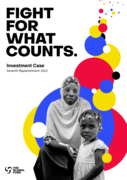
Over the 20 years that followed, this unique partnership has invested more than US$53 billion, saving 44 million lives and reducing the combined death rate from the three diseases by more than half in the countries in which the Global Fund invests.
A guide for hospital trusts' hotel services, procurement teams and caterers to provide more sustainable food.

Namibia recorded its first COVID-19 case on 14 March 2020, with cumulative cases reaching 15,773 and 118 deaths by 10 December 2020. Namibia has done relatively well to contain the outbreak.
However, positivity rates have shown a consistent increase above 5 percent in quarter 4 of 2020, necessitati...
The WHO SAGE values framework for the allocation and prioritization of COVID-19 vaccination is intended to offer guidance on the prioritization of groups for vaccination when vaccine supply is limited. It provides a values foundation for the objectives of COVID-19 vaccination programmes and links t...
Материалы научно-практической конференции с международным участием «Достижения в нейробиологии и терапии болезни Альцгеймера», посвященной памяти профессора Э.Ð...

This is a moment of reckoning in the fight against HIV, tuberculosis (TB) and malaria. For our Eighth Replenishment, the Global Fund needs US$18 billion to save 23 million lives, cut the death rate from the three diseases by 64% and help build a healthier, safer and more equitable world.

This second edition of the Basic Malaria Microscopy package is a stand-alone product,
providing all that is needed to conduct a complete training course

Fragile Beginnings. The Fragile Beginnings series examines the growing body of research on the unique vulnerabilities of children: in utero and at birth, during infancy and childhood and throughout adolescence. Its purpose is to enable evidence-based advocacy and action on children’s environmental...

This guide aims to provide an overview of successful practice from the field for the disaster risk reduction/management practitioner interested in EWS. It presents guiding principles that will build a strong foundation for the design or strengthening of EWS at any level. It is not an operational, bu...

Public health challenges over the past decade have highlighted the importance of approaching health through a holistic lens of human, animal, and environmental sectors, recognizing the need for a collaborative response against shared threats. Zoonotic diseases, transmitted between humans and animals...

GMS Journalfor MedicalEducation2018, Vol. 35(3),ISSN 2366-5017
Management of critical COVID-19: Acute hypoxaemic respiratory failure and COVID-19: Recognize ARDS
recommended
WHO recommends prompt recognition of progressive acute hypoxaemic respiratory failure when a patient with respiratory distress is failing to respond to standard oxygen therapy and adequate preparation to provide advanced oxygen/ventilatory support.
Hypoxaemic respiratory failure in ARDS commonly ...
