
Filter
6314
Filtered Results: 6314
Text search:
Center
for
Disease
Control
and
Prevention,
World
Health
Organisation
Featured
Recommendations
658
New Publications
1633
Language
Document type
No document type
3310
Studies & Reports
1076
Guidelines
961
Manuals
373
Strategic & Response Plan
271
Fact sheets
114
Training Material
99
Situation Updates
59
Resource Platforms
18
Infographics
12
Brochures
10
Online Courses
6
Dashboards/Maps
2
App
2
Videos
1
Countries / Regions
Global
297
India
283
Sierra Leone
166
Kenya
165
Liberia
144
Western and Central Europe
140
Nigeria
129
Ethiopia
126
Uganda
113
Latin America and the Carribbean
110
South Africa
110
Africa
95
Tanzania
88
Zambia
87
Nepal
83
Rwanda
81
Malawi
77
Ghana
69
Namibia
67
Ukraine
66
Bangladesh
65
Congo, Democratic Republic of
62
Philippines
58
Eastern Europe
57
Myanmar / Burma
57
Syria
56
Russia
54
Guinea
53
South–East Asia Region
45
South Sudan
45
Mozambique
43
Haiti
42
Senegal
41
Asia
41
Zimbabwe
39
Lesotho
37
Middle East and North Africa
37
Brazil
36
Cambodia
35
West and Central Africa
34
Burkina Faso
29
Germany
29
Eastern Europe and Central Asia
29
East and Southern Africa
28
Yemen
27
Indonesia
24
Botswana
23
Madagascar
20
Colombia
19
Cameroon
18
Pakistan
18
Afghanistan
17
Thailand
16
Mali
16
Venezuela
15
Western Pacific Region
15
Eswatini/ Swaziland
15
Tajikistan
13
Central African Republic
13
Côte d’Ivoire / Ivory Coast
12
Angola
12
China
11
Paraguay
11
Vietnam
11
Moldova
11
Somalia
11
Benin
10
Albania
10
Sudan
10
North America
9
Argentina
9
Georgia
9
Togo
8
Laos
8
Niger
7
Peru
7
USA
7
Guinea-Bissau
7
Jordan
7
Lebanon
7
Sri Lanka
7
Iraq
7
Chile
6
Burundi
6
Chad
6
North Macedonia
5
Gambia
5
Kazakhstan
5
Armenia
5
Saudi Arabia
5
Papua New Guinea
5
Poland
5
Timor Leste/ East Timor
4
El Salvador
4
Turkey
4
Hungary
4
Turkmenistan
4
Japan
4
Spain
4
Romania
4
Honduras
4
Ecuador
4
Mexico
3
Iran
3
Canada
3
Kyrgyzstan
3
Congo-Brazzaville
3
Jamaica
3
France
3
Belarus
3
Southern Africa
3
Bolivia
3
Palestine
3
Libya
3
Bhutan
3
Estonia
2
Uzbekistan
2
Malaysia
2
Bulgaria
2
Mauritania
2
Dominican Republic
2
Mauritius
2
United Kingdom
2
Bosnia and Herzegovina
2
Egypt
2
Slovakia
2
Switzerland
1
Serbia
1
Singapore
1
Morocco
1
Mongolia
1
Qatar
1
Italy
1
Cape Verde
1
Lithuania
1
Gabon
1
Uruguay
1
Denmark
1
Belgium
1
Maldives
1
Tunisia
1
Azerbaijan
1
Israel
1
Latvia
1
Belize
1
Costa Rica
1
Panama
1
Nicaragua
1
Greece
1
Guatemala
1
Authors & Publishers
Publication Years
Category
Countries
2255
Clinical Guidelines
542
Public Health
419
Key Resources
327
Women & Child Health
271
Capacity Building
100
Pharmacy & Technologies
78
Annual Report MEDBOX
1
Toolboxes
COVID-19
617
HIV
532
TB
444
Mental Health
365
Ebola & Marburg
274
AMR
242
NTDs
225
Planetary Health
180
Rapid Response
164
Caregiver
159
NCDs
145
Conflict
116
Malaria
104
Disability
102
Refugee
100
2.0 Rapid Response
88
Global Health Education
88
Zika
87
Pharmacy
84
Health Financing Toolbox
72
Cholera
62
Natural Hazards
54
Polio
45
Specific Hazards
29
Social Ethics
12
South Sudan
2
Typhoon
1
Guidance for health workers
In the framework of the United Nations Sustainable Development Goals Issue-based Coalition on Health and Well-being for All at All Ages in Europe and Central Asia

THIS LEAFLET AIMS AT GUIDING YOU THROUGH THE VERY FIRST DAYS OF AN OUTBREAK
Practical Guideline for collaborative interventions
The provision of safe and efficacious blood and blood components for transfusion or manufacturing use involves a number of processes, from the selection of blood donors and the collection, processing and testing of blood donations to the testing of patient samples, the issue of compatible blood and ...
Meeting of the Neglected Tropical Diseases Strategic and Technical Advisory
Group’s Monitoring and Evaluation Subgroup on Disease-specific Indicators
New criteria for classifying and diagnosing hyperglycaemia first detected during pregnancy have been accepted by a group of experts convened by WHO. These new criteria are an update of recommendations published by WHO in 1999
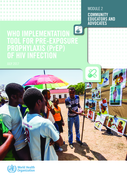
Module 2
Community Educators and Advocates
July 2017
Module 2: Community educators and advocates. Community educators and advocates are needed to increase awareness about PrEP in their communities. This module provides information on PrEP that should be considered in community-led activities ...
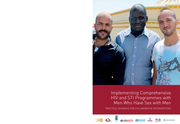
Practical Guidance for collaborative interventions
Cholera epidemics continue to be a major public health problem in many countries around the
world. When epidemics strike, they can spread rapidly. The disease can also evolve quickly;
patients with severe disease can die of dehydration hours after showing the first symptoms of
cholera.

Addressing comorbidities and risk factors for tuberculosis (TB) is a crucial component of the World Health Organization (WHO)’s End TB Strategy. This WHO operational handbook on tuberculosis. Module 6: tuberculosis and comorbidities aims to support countries in scaling up people-centred care, base...
The aim of the pandemic preparedness checklist is primarily to provide an outline of the essential minimum elements of preparedness, as well as elements of preparedness that are considered desirable. It is recommended that responsible authorities or institutes in countries that are in the process of...
Addressing comorbidities and risk factors for tuberculosis (TB) is a crucial component of the World Health Organization (WHO)’s End TB Strategy. This WHO operational handbook on tuberculosis. Module 6: tuberculosis and comorbidities aims to support countries in scaling up people-centred care, ...
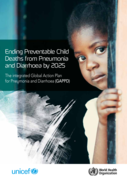
The integrated Global Action Plan for Pneumonia and Diarrhoea (GAPPD)
Ebola Virus Disease Outbreak Response Plan in West Africa July to December 2014. Annex 1
An analysis from the perspective of the health sector in Latin America and the Caribbean
Washington, D.C., 2017
A manual for programme managers.
БОРЬБА С ТУБЕРКУЛЕЗОМ В ТЮРЬМАХ
Руководство для руководителей программ
Leptospirosis is a zoonotic disease with epidemic potential, especially after a heavy rainfall,
caused by a bacterium called Leptospira. Leptospira interrogans is pathogenic to humans and
animals, with more than 200 serologic variants or serovars. Humans usually acquire
leptospirosis through dire...

The World Health Organization (WHO) and the global community of countries, partners, donors, technical experts, scientists and field implementation teams continue to work towards the ultimate goal of a world free of the burden of neglected tropical diseases (NTDs).
