
Filter
3556
Filtered Results: 3556
Text search:
substance
use
Featured
Recommendations
389
New Publications
740
Language
Document type
No document type
1999
Guidelines
524
Studies & Reports
459
Manuals
248
Strategic & Response Plan
102
Training Material
98
Fact sheets
63
Brochures
21
Situation Updates
17
Resource Platforms
14
Infographics
9
Dashboards/Maps
1
Online Courses
1
Countries / Regions
India
142
Global
114
Kenya
110
South Africa
107
Western and Central Europe
90
Nigeria
62
Ethiopia
56
Ukraine
52
Uganda
51
Zambia
48
Latin America and the Carribbean
46
Tanzania
45
Ghana
42
Africa
40
Nepal
39
Namibia
39
Liberia
38
Eastern Europe
37
Russia
36
Sierra Leone
35
Malawi
33
Myanmar / Burma
32
Rwanda
26
Syria
25
South–East Asia Region
25
Indonesia
22
Eswatini/ Swaziland
22
Philippines
19
Bangladesh
19
Botswana
18
Lesotho
17
Zimbabwe
17
Cambodia
16
Asia
15
Congo, Democratic Republic of
15
West and Central Africa
14
Burkina Faso
13
Cameroon
12
USA
12
Eastern Europe and Central Asia
12
East and Southern Africa
12
Senegal
11
Afghanistan
11
Haiti
11
Germany
11
Mozambique
10
South Sudan
10
Middle East and North Africa
9
Tajikistan
8
Guinea
8
Western Pacific Region
8
Pakistan
8
Benin
7
Lebanon
7
Brazil
7
Sri Lanka
7
Georgia
7
Thailand
6
North Macedonia
5
Canada
5
Jordan
5
Yemen
5
China
4
United Kingdom
4
Belarus
4
Vietnam
4
Moldova
4
Sudan
4
Mali
4
Angola
4
Madagascar
4
Colombia
3
Iran
3
Albania
3
Laos
3
Estonia
3
Kyrgyzstan
3
Burundi
3
Peru
3
Morocco
3
Venezuela
3
Jamaica
3
Portugal
3
Southern Africa
3
Central African Republic
3
Iraq
3
Somalia
3
Mexico
2
Turkey
2
Gambia
2
Togo
2
Fiji
2
Singapore
2
Congo-Brazzaville
2
Niger
2
Uzbekistan
2
Guinea-Bissau
2
Hungary
2
Paraguay
2
Japan
2
Belgium
2
France
2
Côte d’Ivoire / Ivory Coast
2
Argentina
2
Papua New Guinea
2
Romania
2
Poland
2
Bhutan
2
Switzerland
1
Timor Leste/ East Timor
1
El Salvador
1
Serbia
1
Australia
1
Kazakhstan
1
Chile
1
Malaysia
1
Bulgaria
1
Mauritania
1
Italy
1
Armenia
1
Saudi Arabia
1
Luxembourg
1
Denmark
1
Maldives
1
Mauritius
1
Tunisia
1
Norway
1
Spain
1
Latvia
1
Djibouti
1
Egypt
1
Greece
1
Palestine
1
Honduras
1
Chad
1
Libya
1
Authors & Publishers
Publication Years
Category
Countries
1087
Clinical Guidelines
229
Key Resources
179
Public Health
171
Women & Child Health
152
Capacity Building
95
Pharmacy & Technologies
63
Annual Report MEDBOX
1
Toolboxes
Mental Health
828
HIV
277
COVID-19
230
TB
143
Pharmacy
134
AMR
115
Caregiver
106
Planetary Health
98
Disability
86
NCDs
80
Conflict
66
Rapid Response
62
Ebola & Marburg
62
Refugee
53
Specific Hazards
46
NTDs
46
Global Health Education
38
Natural Hazards
29
2.0 Rapid Response
29
Zika
21
Health Financing Toolbox
19
Malaria
18
Social Ethics
14
Polio
8
Cholera
5
Depression Research and Treatment
Volume 2012, Article ID 962860, 8 pages
doi:10.1155/2012/962860
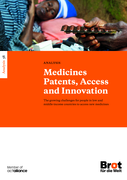
The growing challenges for people in low and middle-income countries to access new medicines.
Analysis 58
Chronic Non Communicable Diseases. Case Management Desk Guide
CHAPTER 244
Contact No 175 - October December 2001

Post-Traumatic Stress Disorder (PTSD) in children and adolescents occurs when a child is exposed to one or more events that are unexpected, uncontrollable, life-threatening, and likely to cause serious harm or injury to himself/herself or someone significantly important to the child. In response, th...
Supplement to the Healthcare Waste Management Toolkit for Global Fund
Practitioners and Policy Makers
Antimicrobial resistance (AMR) both in human and veterinary medicine has reached alarming levels in
most parts of the world and has now been recognized as a significant emerging threat to global public
health and food security. In June 2015, the Food and Agriculture Organization of the United Nati...
Wound care is a regular component of the package of care we offer in the majority of our health care facilities and represents a high volume of activities. The current practices in MSF projects are often based on the habits of each individual supervisor, the wound care material we off...
Guidelines for the Prevention and Contaiment of of Antimicrobial Resistance in South African Hospitals
recommended
These guidelines form part of efforts to institutionalize the prevention and containment of antimicrobial resistance (AMR) in healthcare facilities in South Africa, as outlined in the Antimicrobial Resistance Strategic Framework and Implementation Plan. The focus of these guidelines is on two interr...
Africa is off track to reach the Sustainable Development Goals by 2030 and lags behind in building resilient health systems
and health security, against a backdrop of limited resources. The world envisaged a significant role for governments
in funding the Sustainable Development Agenda, but inadeq...

This document seeks to help health communication professionals working on the topic of immunization more effectively communicate about Events Supposedly Attributed to Vaccination and Immunization (ESAVI) by building trust in National Immunization Programs, understanding risk perceptions related to v...

Post-traumatic stress disorder: NICE guideline
recommended
NICE guideline | This guideline covers recognising, assessing and treating post-traumatic stress disorder (PTSD) in children, young people and adults. It aims to improve quality of life by reducing symptoms of PTSD such as anxiety, sleep problems and difficulties with concentration. Recommendations ...
The purpose of this document is to share good practices and processes concerning the inclusion of disability issues in HIV policy and programming, drawing on specific experiences in Senegal, Ethiopia, Kenya, Rwanda and Cambodia and on lessons learned at international AIDS conferences.
The Thinking Health manual outlines an evidence-based approach describing how community health workers can reduce prenatal depression through evidence-based cognitive-behavioural techniques recommended by the mhGAP programme.
This manual is the first volume of WHO’s new series on low-intensity p...
