
Filter
2382
Filtered Results: 2382
Text search:
WHO
Country
Office
for
India
Featured
Recommendations
217
New Publications
664
Language
Document type
No document type
1318
Studies & Reports
477
Guidelines
279
Manuals
142
Strategic & Response Plan
65
Fact sheets
31
Training Material
30
Situation Updates
19
Resource Platforms
13
Infographics
5
Brochures
1
App
1
Online Courses
1
Countries / Regions
India
342
Global
150
Nepal
87
Bangladesh
54
South–East Asia Region
51
Myanmar / Burma
50
Asia
44
Kenya
34
Syria
29
Ethiopia
29
Nigeria
26
Indonesia
26
South Africa
25
Philippines
21
Zambia
21
Africa
20
Western and Central Europe
20
Uganda
19
Malawi
17
Tanzania
17
Pakistan
16
Sierra Leone
15
Latin America and the Carribbean
14
Liberia
13
Thailand
12
Ukraine
12
Senegal
12
Afghanistan
12
Ghana
11
China
11
Mozambique
11
Congo, Democratic Republic of
9
Sri Lanka
9
Namibia
8
South Sudan
8
Haiti
7
Cambodia
7
Eastern Europe
7
Russia
7
Yemen
7
Somalia
7
Colombia
6
Zimbabwe
6
West and Central Africa
6
Middle East and North Africa
6
Eastern Europe and Central Asia
6
Vietnam
6
Brazil
6
East and Southern Africa
5
Lebanon
5
Iraq
5
Rwanda
4
Laos
4
USA
4
Venezuela
4
Western Pacific Region
4
Moldova
4
Central African Republic
4
Timor Leste/ East Timor
3
Mexico
3
Turkey
3
Iran
3
Peru
3
Guinea
3
Jordan
3
Argentina
3
Sudan
3
Palestine
3
Georgia
3
Mali
3
Botswana
3
North Macedonia
2
Tajikistan
2
Serbia
2
Lesotho
2
Chile
2
Cameroon
2
Kyrgyzstan
2
Niger
2
Burkina Faso
2
Morocco
2
Portugal
2
Bosnia and Herzegovina
2
Angola
2
Bhutan
2
Eswatini/ Swaziland
2
North Korea
1
El Salvador
1
Kazakhstan
1
Albania
1
Estonia
1
Malaysia
1
Mongolia
1
Qatar
1
Italy
1
Armenia
1
Guinea-Bissau
1
Hungary
1
Germany
1
Saudi Arabia
1
North America
1
Turkmenistan
1
Jamaica
1
Japan
1
Maldives
1
Mauritius
1
Tunisia
1
Norway
1
Bolivia
1
Papua New Guinea
1
Egypt
1
Romania
1
Greece
1
Poland
1
Libya
1
Ecuador
1
Madagascar
1
Guatemala
1
Authors & Publishers
Publication Years
Category
Countries
794
Clinical Guidelines
215
Public Health
157
Key Resources
151
Women & Child Health
150
Capacity Building
34
Pharmacy & Technologies
26
Toolboxes
Mental Health
212
HIV
180
COVID-19
161
Disability
140
TB
138
Planetary Health
88
NTDs
84
Caregiver
66
Global Health Education
60
AMR
58
NCDs
49
Natural Hazards
45
Health Financing Toolbox
41
Conflict
41
Rapid Response
36
Refugee
35
Pharmacy
33
Malaria
27
Polio
21
2.0 Rapid Response
18
Specific Hazards
15
Ebola & Marburg
15
Cholera
13
Social Ethics
6
Zika
6
Typhoon
2
South Sudan
1

Antimicrobial resistance (AMR) has emerged as a leading cause of death in the African region, surpassing fatalities from malaria, HIV, and TB. In response to this critical threat, the region has adopted the AMR Global Action Plan and the African Union Framework for Antimicrobial Resistance Control 2...
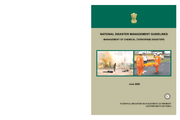
"National Disaster Management Guidelines: Management
of Chemical (Terrorism) Disasters (are intended to
focus on all aspects of the disaster management
cycle, including prevention measures such as
surveillance and intelligence, mitigation of direct
and indirect risks, preparedness in terms of
...
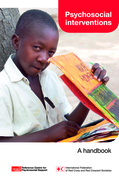
Psychosocial Interventions. A handbook
recommended
Out of the shadows

Integrating the prevention and control of noncommunicable diseases in HIV/AIDS, tuberculosis, and sexual and reproductive health programmes: implementation guidance
A toolkit to equip young people with the skills to become powerful advocates for Youth Sexual Reproductive Health and Rights (YSRH&R)
Accessed: 17.11.2019
Rabies is entirely preventable, and vaccines, medicines, tools and technologies have long
been available to prevent people from dying of dog-mediated rabies. Nevertheless, rabies still
kills about 60 000 people a year, of whom over 40% are children under 15, mainly in rural areas
of economically ...
scientific brief, 2 March 2022
Rabies remains an under-reported neglected zoonosis with a case-fatality rate of almost 100% in humans and animals. Dog-mediated human rabies causes tens of thousands of human deaths annually despite being 100% preventable. More than 95% of human cases are caused by the bite of a rabies-infected dog...
Financing Global Health 2014 is the sixth edition of this annually produced report on global health financing. As in previous years, this report captures trends in development assistance for health (DAH) and government health expenditure (GHE). Health financing is one of IHME’s core research areas...

The Global Reference List of 100 Core Health Indicators is a standard set of core indicators prioritized by the global community to provide concise information on the health situation and trends, including responses at national and global levels.
This second (2018) edition builds on the previous ...
Financing Global Health 2015 is the seventh edition of IHME’s annual series on global health financing. This report captures trends in development assistance for health (DAH) and government health expenditure as source (GHE-S) in low- and middle-income countries. Annually updated GHE-S and DAH est...
Trachoma is the leading infectious cause of blindness (2). It is characterized by repeated
conjunctival infection with particular strains of Chlamydia trachomatis. This scars the conjunctivae and,
in some cases, leads to trichiasis with or without entropion. The abrasive action of eyelashes can
d...
Financing Global Health 2013: Transition in an Age of Austerity, IHME’s fifth annual report on global health expenditure, depicts financing trends that underline the resilience of development assistance for health. This year’s updated estimates show that despite lackluster economic growth and fi...

Against this background of nearly 20 years of experience of research, development and
improvement in patient safety, the role of incident and adverse event reporting, as well as the
benefits that derive from it, is still a work in progress.This document has two main purposes:
• to provide an up...
