
Filter
3599
Filtered Results: 3599
Text search:
Middle
East
Featured
Recommendations
310
New Publications
808
Language
Document type
No document type
1706
Studies & Reports
928
Guidelines
432
Manuals
177
Strategic & Response Plan
121
Fact sheets
95
Training Material
38
Situation Updates
32
Infographics
30
Resource Platforms
17
Online Courses
11
Brochures
8
Videos
4
Countries / Regions
Global
248
Middle East and North Africa
181
Syria
130
Kenya
112
Africa
100
India
92
Yemen
91
West and Central Africa
82
East and Southern Africa
80
South Africa
76
Western and Central Europe
74
Nepal
60
Nigeria
60
Ghana
56
Ethiopia
56
South Sudan
53
Zambia
51
Myanmar / Burma
51
Rwanda
50
Uganda
50
South–East Asia Region
47
Ukraine
45
Sierra Leone
45
Latin America and the Carribbean
39
Tanzania
39
Liberia
39
Russia
38
Asia
37
Eastern Europe
36
Namibia
35
Bangladesh
32
Indonesia
31
Malawi
30
Zimbabwe
29
Mozambique
27
Philippines
26
Congo, Democratic Republic of
22
Eastern Europe and Central Asia
22
Senegal
21
Lebanon
21
Afghanistan
20
Cambodia
20
Sudan
19
China
18
Brazil
18
Pakistan
18
Somalia
17
Jordan
14
Iraq
14
Vietnam
13
Cameroon
12
Guinea
12
Colombia
11
Germany
11
Lesotho
10
Burkina Faso
10
Botswana
10
Thailand
9
Turkey
9
Iran
9
Haiti
9
Western Pacific Region
9
Central African Republic
9
Mali
9
Eswatini/ Swaziland
9
Egypt
8
Palestine
8
Angola
8
Venezuela
7
Saudi Arabia
7
Portugal
7
Moldova
7
Kyrgyzstan
6
Italy
6
Chad
6
Libya
6
North Macedonia
5
Albania
5
Niger
5
Peru
5
Malaysia
5
Spain
5
Papua New Guinea
5
Sri Lanka
5
Madagascar
5
Tajikistan
4
Timor Leste/ East Timor
4
Kazakhstan
4
USA
4
Japan
4
Georgia
4
Poland
4
Ecuador
4
Mexico
3
Laos
3
Qatar
3
Croatia
3
Hungary
3
Turkmenistan
3
Tunisia
3
Bosnia and Herzegovina
3
Serbia
2
Benin
2
Chile
2
Burundi
2
Morocco
2
Mauritania
2
Armenia
2
Guinea-Bissau
2
North America
2
Denmark
2
France
2
South Korea
2
Southern Africa
2
Argentina
2
Romania
2
Greece
2
Honduras
2
North Korea
1
El Salvador
1
Gambia
1
Canada
1
Singapore
1
Vanuatu
1
Mongolia
1
Bulgaria
1
Dominican Republic
1
Lithuania
1
Ireland
1
Paraguay
1
Gabon
1
Jamaica
1
Belgium
1
Mauritius
1
United Kingdom
1
Norway
1
Azerbaijan
1
Belarus
1
Israel
1
Latvia
1
Bolivia
1
United Arab Emirates
1
Djibouti
1
Slovakia
1
Solomon Islands
1
Guatemala
1
Authors & Publishers
Publication Years
Category
Countries
1233
Clinical Guidelines
259
Public Health
237
Women & Child Health
208
Key Resources
191
Capacity Building
57
Pharmacy & Technologies
39
Annual Report MEDBOX
2
Toolboxes
COVID-19
452
HIV
339
Mental Health
316
Planetary Health
201
TB
138
Disability
134
Conflict
119
NCDs
106
AMR
102
Refugee
98
Global Health Education
90
Caregiver
87
Health Financing Toolbox
80
NTDs
70
Ebola & Marburg
41
Rapid Response
38
Natural Hazards
37
Pharmacy
37
2.0 Rapid Response
32
Malaria
22
Polio
21
Cholera
17
Social Ethics
17
Specific Hazards
14
Zika
6
Typhoon
1
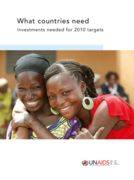
What countries need: Investments needed for 2010 targets
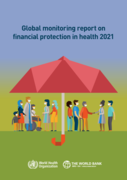
The 2021 Global monitoring report on financial protection in health shows that before the COVID-19 pandemic, the world was off-track to reduce financial hardship due to health expenditures because trends in catastrophic health spending were going in the wrong direction and the number of people incur...
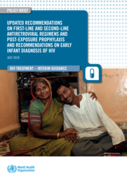

Reporting Period 2010-2011
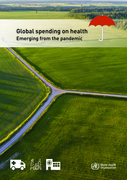
The Global Health Expenditure Report delves into the intricate landscape of global economies and health systems. This year, it focuses on health spending in 2022, the third year of the COVID-19 pandemic. It shows how countries around the world responded to the health and economic shocks of the pande...
To realize Agenda 2030, aid agencies, private philanthropies, and their partners in the Global South need better data to monitor how official development finance (ODF) dollars advance the Sustainable Development Goals (SDGs) and avoid missing the mark. In this report, we summarize the results of a n...

MEDBOX Annual Report 2024
recommended
The MEDBOX Annual Report provides an overview of the most important projects of the past year
The brief on key findings from the 2025 edition of the WHO anaemia estimates provides a snapshot of the current status of anaemia among women aged 15–49 years at the country, regional, and global levels, along with progress toward achieving the global anaemia target by 2030, in alignment with the ...

Public health challenges over the past decade have highlighted the importance of approaching health through a holistic lens of human, animal, and environmental sectors, recognizing the need for a collaborative response against shared threats. Zoonotic diseases, transmitted between humans and animals...

On Global Handwashing Day, WHO and UNICEF have released the first-ever global Guidelines on Hand Hygiene in Community Settings to support governments and practitioners in promoting effective hand hygiene outside health care – across households, public spaces and institutions. Framing hand hygiene ...

This report was developed by the WHO TB Vaccine Accelerator Finance and Access working group, co-led by WHO, Gavi and the Government of South Africa. It sets out the working group’s shared vision for equitable access to novel TB vaccines and will advance a shared understanding of the current lands...

The primary audience for this guideline includes policy-makers or service providers who are responsible for developing national and local health-care protocols and policies related to care during pregnancy, childbirth and the postnatal period, and those directly providing care to women during pregna...

The findings of the report are both urgent and devastating. At the current rate of progress, by 2040 we would still have 1.9 million new HIV infections and 990,000 AIDS-related deaths in children. But if funding for HIV prevention and treatment continues to fall as current trends suggest, the world ...

The Equal Rights Review Volume 9, pp.117-137
The Global Vaccine Action Plan (GVAP) 2011-2020, endorsed by Member States during the May 2012 World Health Assembly, has set ambitious targets to improve access to immunization and tackle vaccine-preventable diseases. This responsibility has been translated into firm commitments in February 2016, t...
Scaling Up Mental Health Care In Rural India

Countries around the world are facing the challenge of increased demand for care of people with COVID-19, compounded by fear, misinformation and limitations on movement that disrupt the delivery of health care for all conditions. Maintaining essential health services: operational guidance for the CO...
Community health workers (CHWs) play a significant role in Primary health Care due to their proximity to households, communities and the health care system. Many studies focus on CHWs and the work they do. However, few have examined their experiences and identity and how that might influence how the...
The COVID-19 pandemic is having a profound negative effect on the global economy and is occurring in the context of a rapidly changing climate. This year is expected to be the second hottest in recorded history. Weather forecasts for 2020 indicate a high probability that extreme weather will adverse...

Nearly 800 women die every day from preventable maternal causes, and in 2022 alone, an estimated 2.3 million newborns died. For every maternal death, countless more women endure life-altering injuries, infections, and disabilities related to childbirth.
Maternal deaths are concentrated in the poo...
