
Filter
6182
Filtered Results: 6182
Text search:
medication
Featured
Recommendations
618
New Publications
1352
Language
Document type
No document type
3098
Studies & Reports
1086
Guidelines
897
Manuals
421
Strategic & Response Plan
203
Fact sheets
167
Training Material
152
Situation Updates
45
Brochures
43
Infographics
37
Resource Platforms
20
Online Courses
6
Videos
6
App
1
Countries / Regions
Global
310
India
256
South Africa
161
Kenya
155
Ethiopia
116
Western and Central Europe
111
Africa
108
Uganda
97
Nigeria
96
Tanzania
91
Sierra Leone
90
Nepal
88
Ukraine
79
Liberia
79
Zambia
78
Malawi
74
Ghana
73
Latin America and the Carribbean
69
Rwanda
66
Bangladesh
61
Syria
59
Namibia
55
Germany
54
Myanmar / Burma
54
Philippines
49
Congo, Democratic Republic of
49
South–East Asia Region
41
Zimbabwe
38
Eastern Europe
36
Lesotho
34
Asia
32
West and Central Africa
31
Indonesia
31
East and Southern Africa
30
South Sudan
28
Mozambique
27
Cambodia
27
Middle East and North Africa
27
Venezuela
26
Haiti
25
Russia
24
Burkina Faso
22
Guinea
22
Botswana
22
Cameroon
21
Eastern Europe and Central Asia
20
Senegal
19
Yemen
19
Brazil
17
Afghanistan
16
Jordan
16
Vietnam
16
Thailand
15
Benin
15
Colombia
14
Western Pacific Region
14
Lebanon
14
Pakistan
14
USA
13
Eswatini/ Swaziland
13
Tajikistan
12
Sudan
12
Central African Republic
12
China
11
Laos
11
Argentina
10
Sri Lanka
10
Albania
9
North America
9
Moldova
9
Mali
9
Somalia
9
Paraguay
8
Chile
7
Iran
7
Peru
7
Palestine
7
Georgia
7
Iraq
7
Madagascar
7
Côte d’Ivoire / Ivory Coast
6
Mexico
5
Serbia
5
Kyrgyzstan
5
United Kingdom
5
Papua New Guinea
5
Chad
5
Libya
5
Ecuador
5
North Macedonia
4
Timor Leste/ East Timor
4
Kazakhstan
4
Canada
4
Morocco
4
Jamaica
4
Spain
4
Southern Africa
4
Bolivia
4
Bhutan
4
Turkey
3
Estonia
3
Niger
3
Burundi
3
Malaysia
3
Guinea-Bissau
3
Saudi Arabia
3
Japan
3
Egypt
3
Romania
3
Angola
3
Guatemala
3
Switzerland
2
Gambia
2
Togo
2
Fiji
2
Mongolia
2
Bulgaria
2
Armenia
2
Hungary
2
Lithuania
2
Turkmenistan
2
Tunisia
2
Portugal
2
Azerbaijan
2
Belarus
2
Djibouti
2
Greece
2
Poland
2
North Korea
1
El Salvador
1
Australia
1
Singapore
1
Uzbekistan
1
Qatar
1
Croatia
1
Ireland
1
Gabon
1
Denmark
1
Mauritius
1
Norway
1
South Korea
1
Israel
1
Bosnia and Herzegovina
1
Latvia
1
Guyana
1
Oman
1
Slovakia
1
Solomon Islands
1
Bahamas
1
Authors & Publishers
Publication Years
Category
Countries
2012
Clinical Guidelines
582
Public Health
419
Women & Child Health
335
Key Resources
273
Capacity Building
178
Pharmacy & Technologies
61
Annual Report MEDBOX
2
Toolboxes
Mental Health
737
HIV
498
COVID-19
440
TB
344
Caregiver
256
NCDs
254
Disability
204
AMR
200
NTDs
192
Refugee
186
Conflict
156
Planetary Health
145
Pharmacy
139
Ebola & Marburg
133
Malaria
91
Rapid Response
86
Global Health Education
79
2.0 Rapid Response
64
Natural Hazards
45
Health Financing Toolbox
43
Social Ethics
31
Zika
27
Specific Hazards
22
Cholera
22
Polio
22
South Sudan
1
Typhoon
1
Since the launch of the 2012–2020 World Health Organization (WHO) road map for the control, elim-ination and eradication of neglected tropical diseases (NTDs) (1), considerable progress against NTDs has been made. Between 2010 and 2020, the number of people requiring interventions against NTDs glo...
Antimicrobial resistance (AMR) is a threat to global health and development and it contributes to millions of deaths worldwide each year. Inappropriate use and overuse of antibiotics are driving an increase in AMR and have a detrimental impact on the effectiveness of these critical medicines. Throug...
6 July 2021. Three new nucleic acid amplification test (NAAT) classes are endorsed by WHO and included.
The latest operational handbook includes the new classes recommended by WHO. It aims at facilitating the implementation of the WHO recommendations by the Member States, technical partners, and ot...

national programmes for occupational health and safety for health workers: lessons learned from countries: summary report of the WHO online workshop, 15 July 2020
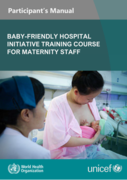
1.1 Why this course is needed
The first few hours and days of a newborn baby’s life are a critical window for establishing breastfeeding and for providing mothers with the support they need to breastfeed successfully. Since 1991, the Baby-friendly Hospital Initiative (BFHI) has helped to motivate...
The revised guidelines contain recommendations for specific administrative, environmental controls and respiratory protection, following the assessment made by an external group of experts convened as members of the Guideline Development Group. Moreover, these guidelines focus on interventions speci...

The report reflects on the trends, achievements and challenges in global health over the past decade during which Dr Margaret Chan has been Director-General of WHO. It discusses the role of WHO in dealing with such issues as the rise of noncommunicable diseases, leaps in life expectancy, and emergin...

The objective of this manual is to guide managers of schistosomiasis and soil-transmitted helminthiases control programmes towards the elimination of these diseases as public health problems informed by evidence generated through monitoring and evaluation of these programmes. The manual complements ...
A Public Health EOC (PHEOC) serves as a hub for coordinating the preparation for, response to, and recovery from public health emergencies. The preparation includes planning, such as risk and resource mapping, development of plans and procedures, and training and exercising. The response includes al...
The present report is submitted pursuant to Security Council resolution 2164 (2014), by which the Council extended the mandate of the United Nations Multidimensional Integrated Stabilization Mission in Mali (MINUSMA) and requested me to report to it every three months on the implementation of the re...
The marathon to eradicate polio is on its final lap: the world is more than 99% of the way to success. After millennia of living with poliovirus and suffering the paralysis it causes, today nearly all the world’s people live in polio-free countries; two of the three strains of wild poliovirus (WPV...

The aim of the meeting was to broaden the network’s initiatives. Preliminary work involved integrating laboratory testing for skin NTDs other than Buruli ulcer, such as cutaneous leishmaniasis, mycetoma, leprosy and yaws, while extending the network’s reach to encompass additional laboratories.
Mental wellbeing does not mean being happy all the time and it does not mean you won’t experience negative or painful emotions, such as grief, loss, or failure, which are a part of normal life. However, whatever your age, mindfulness can help
you lead a mentally healthier life and improve your we...
Rabies has an enormous impact on both agriculture and conservation biology, but its greatest burden is undeniably on public health. As such, routine methods for rapid risk assessment after human exposures to rabies as well as applications for laboratory-based surveillance, production of biologicals ...
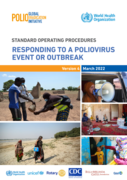
Version 4
The purpose of these standard operating procedures (SOPs) is to offer policy guidance and to provide performance standards on how to respond to any type of poliovirus outbreak or event in a timely and effective manner, and specifically, to stop an outbrea...
Menthol in tobacco products
HAT diagnosis relies on laboratory techniques because clinical signs and symptoms are unspecific. Serodiagnostic tests exist only for Tbg and are based on the detection of specific antibodies, thus they are not confirmatory of infection. With the current low disease prevalence, the positive predicti...
WHO consolidated guidelines on tuberculosis: module 1: prevention: tuberculosis preventive treatment
The 2020 recommendations for the programmatic management of TB preventive treatment are the first to be released under the rubric of WHO consolidated TB guidelines (Module 1 – Prevention). The WHO consolidated TB guidelines will gradually group all TB recommendations and will be complemented by ma...
