Filter
7953
Filtered Results: 7953
Text search:
Healthcare
facilities
Featured
Recommendations
766
New Publications
2158
Language
Document type
No document type
4259
Studies & Reports
1311
Guidelines
1124
Manuals
449
Strategic & Response Plan
316
Fact sheets
181
Training Material
124
Situation Updates
117
Infographics
27
Resource Platforms
19
Online Courses
13
Brochures
10
Videos
2
App
1
Countries / Regions
India
383
Global
292
Kenya
276
Sierra Leone
214
South Africa
194
Ethiopia
192
Liberia
185
Nigeria
176
Nepal
171
Uganda
169
Zambia
145
Western and Central Europe
141
Syria
136
Tanzania
134
Malawi
130
Bangladesh
129
Rwanda
128
Myanmar / Burma
124
Africa
123
Ghana
118
Namibia
105
Ukraine
96
Latin America and the Carribbean
91
Philippines
77
Congo, Democratic Republic of
77
Zimbabwe
56
South–East Asia Region
55
South Sudan
54
Cambodia
53
Lesotho
52
West and Central Africa
52
East and Southern Africa
51
Eastern Europe
51
Guinea
48
Mozambique
48
Yemen
46
Senegal
45
Indonesia
44
Middle East and North Africa
43
Haiti
42
Asia
42
Russia
41
Burkina Faso
39
Botswana
36
Eastern Europe and Central Asia
31
Venezuela
30
Germany
28
Pakistan
28
Eswatini/ Swaziland
27
Afghanistan
26
Cameroon
24
Jordan
21
Lebanon
21
Brazil
21
Colombia
19
Western Pacific Region
19
Vietnam
19
Mali
17
Somalia
17
USA
16
Sudan
16
Central African Republic
16
Benin
15
Sri Lanka
14
Thailand
13
Iraq
13
Laos
12
Peru
12
Côte d’Ivoire / Ivory Coast
12
Madagascar
12
Tajikistan
11
Moldova
11
Turkey
10
China
10
Albania
9
Papua New Guinea
9
Palestine
9
Georgia
9
Chile
7
Iran
7
North America
7
Mexico
6
Saudi Arabia
6
Southern Africa
6
Argentina
6
Romania
6
Greece
6
Poland
6
Chad
6
Libya
6
Timor Leste/ East Timor
5
El Salvador
5
Togo
5
Niger
5
Burundi
5
Hungary
5
Bolivia
5
Angola
5
Bhutan
5
North Macedonia
4
Gambia
4
Kyrgyzstan
4
Armenia
4
Paraguay
4
Turkmenistan
4
Jamaica
4
United Kingdom
4
Portugal
4
Spain
4
Egypt
4
Ecuador
4
Serbia
3
Canada
3
Fiji
3
Estonia
3
Mauritius
3
Guatemala
3
Kazakhstan
2
Congo-Brazzaville
2
Uzbekistan
2
Morocco
2
Qatar
2
Bulgaria
2
Guinea-Bissau
2
Croatia
2
Lithuania
2
Japan
2
France
2
Azerbaijan
2
Belarus
2
Djibouti
2
Slovakia
2
Honduras
2
North Korea
1
Switzerland
1
Australia
1
Singapore
1
Malaysia
1
Mongolia
1
Mauritania
1
Italy
1
Dominican Republic
1
Ireland
1
Gabon
1
Uruguay
1
Denmark
1
Belgium
1
Maldives
1
Tunisia
1
Norway
1
South Korea
1
Morocco
1
Israel
1
Bosnia and Herzegovina
1
Latvia
1
Oman
1
Nicaragua
1
Authors & Publishers
Publication Years
Category
Countries
3406
Clinical Guidelines
514
Key Resources
474
Women & Child Health
389
Public Health
367
Capacity Building
163
Pharmacy & Technologies
82
Annual Report MEDBOX
3
Toolboxes
COVID-19
789
HIV
547
Mental Health
417
TB
408
Ebola & Marburg
309
Disability
271
Conflict
266
AMR
266
Caregiver
254
Planetary Health
206
NTDs
168
Pharmacy
156
Rapid Response
149
Refugee
146
NCDs
124
Global Health Education
110
Natural Hazards
99
2.0 Rapid Response
95
Malaria
79
Health Financing Toolbox
60
Cholera
57
Specific Hazards
41
Polio
34
Zika
23
Social Ethics
22
Typhoon
4
South Sudan
1
BMC Pregnancy Childbirth 2022 Apr 5;22(1):284. doi: 10.1186/s12884-022-04619-w. Adolescent reproductive health is still a challenge in Low and Middle Income Come Countries (LMICs). However, the reasons for the inability of most pregnant adolescent girls to access and utilize maternal and child heal...
This question bank is a menu of qualitative questions related to healthcare workers’ knowledge, perceptions and practices during infectious disease outbreaks. The question bank will generate qualitative data on healthcare workers’ subjective understandings of risks, case management, protection a...

These guidelines promote the delivery of people-centred health services for STIs by providing evidence-based recommendations related to decentralization, integration, task sharing and digital health. These recommendations complement existing WHO guidelines for STI testing, treatment and management, ...

Access to safe, effective and quality-assured health products and technologies is crucial for achieving universal health coverage and primary health care goals. The continued growth of the aging population; increasing burden of noncommunicable diseases; growing burden of mental health issues; climat...
This document on logistics management information systems (LMIS) was developed to address the increasing need for harmonization and standardization of core indicators for managing medicines and health products for neglected tropical diseases (NTDs) at country level (i.e. for last-mile logistics). It...

The health impacts of climate change are no longer a distant threat. They are being felt here and now and becoming more extreme.
To address these threats, the WHO Asia-Pacific Centre for Environment and Health in the Western Pacific Region (ACE) was established in 2019 through a partnership with ...

PHSM are vital in reducing the risk and scale of infectious disease transmission and lowering hospitalization and deaths. Examples include contact tracing, quarantine and isolation, mask use, ventilation, school or workplace measures, mobility restrictions and travel requirements.
While these mea...

This Toolkit for ensuring rights-based and ethical use of digital technologies in HIV and health programmes is derived from the comprehensive UNDP Guidance on the rights-based and ethical use of digital technologies in HIV and health programmes document. The foundational UNDP Guidance document outli...
Services, Identified needs and recommendations following the April and May 2015 Earthquakes in Nepal
The Report describes the evaluation of WHO's contribution to the Maternal Health Program in South-East Asia Region. This was an independent evaluation conducted in 2015 by Amaltas, a Delhi based organization. The evaluation highlights the progress in five countries, namely Bangladesh, Indonesia, Mya...

This updated Comprehensive Mental Health Action Plan 2013-2030 builds upon its predecessor and sets out clear actions for Member States, the WHO Secretariat and international, regional and national partners to promote mental health and well-being for all, to prevent mental health conditions for thos...
The humanitarian-development-peace nexus (HDPNX) is a new way of working that offers a framework for coherent joined-up planning and implementation of shared priorities between humanitarian development and peacebuilding actors in emergency settings. To advance the HDPNx in a given country a sh...
Emerging evidence and experience to inform risk management in a warming world
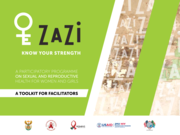
This toolkit has been developed by the ZAZI campaign for use by peer educators, community outreach workers, faith-based organisations, and traditional health practitioners to help facilitate participatory discussions on sexual and reproductive health with women aged between 20 and 49 years of age. T...
guidance for health managers, health workers, and activists

This checklist helps to identify the necessary measures to be implemented to mitigate infection transmission among travellers and ground-crossing staff in the context of the COVID-19 pandemic. It features key questions and considerations for gauging the capacity of responding to COVID-19 transmissio...

Over the ages, human societies have altered local ecosystems and modified regional climates. Today the human influence has attained a global scale. This reflects the recent rapid increase in population size, energy consumption, intensity of land use, international trade and travel, and other human a...