Filter
3409
Filtered Results: 3409
Text search:
REACH
-
REACH
Initiative
Featured
Recommendations
235
New Publications
931
Language
Document type
No document type
1905
Studies & Reports
694
Guidelines
311
Manuals
178
Strategic & Response Plan
158
Training Material
58
Fact sheets
50
Situation Updates
33
Resource Platforms
8
Brochures
6
Infographics
6
Online Courses
1
Videos
1
Countries / Regions
Global
184
India
137
Kenya
107
Nigeria
81
Ethiopia
80
Uganda
73
Nepal
69
Sierra Leone
68
Myanmar / Burma
65
Bangladesh
64
Zambia
60
Malawi
55
Africa
54
Liberia
54
Western and Central Europe
53
South Africa
53
Latin America and the Carribbean
50
Tanzania
49
Syria
45
Rwanda
44
Namibia
44
Ghana
39
Congo, Democratic Republic of
33
Ukraine
30
South–East Asia Region
29
Philippines
28
South Sudan
27
Asia
26
Lesotho
25
Mozambique
25
Cambodia
22
Indonesia
22
Senegal
21
East and Southern Africa
20
Afghanistan
19
Zimbabwe
19
West and Central Africa
19
Botswana
19
Haiti
18
Pakistan
18
Yemen
17
Guinea
16
Eastern Europe
16
Venezuela
15
Brazil
15
Germany
14
Middle East and North Africa
14
Central African Republic
14
Colombia
12
Thailand
12
Burkina Faso
12
Eswatini/ Swaziland
11
Cameroon
10
China
9
Laos
9
Lebanon
9
Vietnam
9
Eastern Europe and Central Asia
8
Sri Lanka
8
Sudan
8
Angola
8
Somalia
8
Russia
7
Benin
6
Peru
6
Togo
5
Jordan
5
Argentina
5
Mexico
4
El Salvador
4
USA
4
Jamaica
4
Southern Africa
4
Egypt
4
Palestine
4
Georgia
4
Tajikistan
3
Turkey
3
Chile
3
Guinea-Bissau
3
Western Pacific Region
3
Paraguay
3
Bolivia
3
Mali
3
Libya
3
Bhutan
3
Iraq
3
Ecuador
3
Guatemala
3
North Macedonia
2
Timor Leste/ East Timor
2
Serbia
2
Iran
2
Albania
2
Canada
2
Estonia
2
Kyrgyzstan
2
Malaysia
2
Hungary
2
Lithuania
2
Côte d’Ivoire / Ivory Coast
2
Nicaragua
2
Moldova
2
Honduras
2
Chad
2
Madagascar
2
North Korea
1
Switzerland
1
Gambia
1
Fiji
1
Singapore
1
Niger
1
Morocco
1
Mongolia
1
Qatar
1
Italy
1
Armenia
1
Dominican Republic
1
Croatia
1
North America
1
Gabon
1
Uruguay
1
Japan
1
Denmark
1
France
1
Mauritius
1
Tunisia
1
Norway
1
Portugal
1
Spain
1
South Korea
1
Morocco
1
Belize
1
Costa Rica
1
Guyana
1
Panama
1
Papua New Guinea
1
Romania
1
Authors & Publishers
Publication Years
Category
Countries
1309
Key Resources
234
Public Health
188
Women & Child Health
182
Clinical Guidelines
159
Capacity Building
58
Pharmacy & Technologies
30
Annual Report MEDBOX
1
Toolboxes
HIV
305
COVID-19
226
Mental Health
210
Disability
160
TB
154
Planetary Health
151
Conflict
108
NTDs
87
AMR
83
Global Health Education
80
Refugee
73
Caregiver
72
Health Financing Toolbox
63
Malaria
55
Ebola & Marburg
54
NCDs
52
Pharmacy
46
Rapid Response
45
Natural Hazards
43
Polio
39
2.0 Rapid Response
29
Social Ethics
19
Specific Hazards
12
Cholera
10
Zika
8
Typhoon
2

This manual is designed to provide comprehensive malaria case management training for health workers at all levels, including clinical, nursing, dispensing, laboratory and records staff. The training covers the use of malaria rapid diagnostic tests (RDTs) and the treatment of severe malaria. The fiv...

This Communication Guide for Malaria Control Interventions is aligned with Tanzania’s Malaria Strategic Plan (2015–2020) and provides comprehensive guidance on the implementation of Social and Behaviour Change Communication (SBCC) for the prevention, diagnosis and treatment of malaria. It is int...

This Implementation Kit (I-Kit), developed by the Health Communication Capacity Collaborative (HC3), which is funded by USAID and based at the Johns Hopkins Center for Communication Programs, offers structured guidance for improving social and behavioural change communication (SBCC) strategies relat...

Meeting report, Kampala, Uganda,
7–8 November 2023



The Multi-Hazard Early Warning System (MHEWS) Checklist is a practical tool consisting of major components and actions that national governments, community organizations and partners within
and across all sectors can refer when developing or evaluating early warning systems

Despite being a preventable and curable infectious disease, tuberculosis (TB) has continued to elude global controll efforts. In 2023, 8.2 milion people with TB were diagnosed and notified to the WHO, the hightest number ever reported since WHO began tracking.
This document on logistics management information systems (LMIS) was developed to address the increasing need for harmonization and standardization of core indicators for managing medicines and health products for neglected tropical diseases (NTDs) at country level (i.e. for last-mile logistics). It...

The annual bulletin of the Mekong Malaria Elimination (MME) programme is a yearly report that reviews ongoing efforts to combat multidrug resistance and eliminate malaria in the 6 countries of the Greater Mekong subregion (GMS): Cambodia, China (Yunnan province), Lao People's Democratic Republic, My...

Malaria remains a significant public health concern in the SADC region, accounting for 20% of childhood deaths, as well as prompting numerous outpatient visits and hospitalisations. Around three-quarters of the population, including 35 million children under the age of five and 8.5 million pregnant ...

The Country Cooperation Strategy is the World Health Organization (WHO)’s reference for country work guiding planning and resource allocation through alignment with national health priorities and harmonization with other development partners. It clarifies roles and functions of WHO in supporting t...
Preliminary fndings from a global survey of urban young people on the air they breathe and a child health co-benefts analysis of radical decarbonisation of 16 global cities.
Accessed on 31.03.2020
This Guidance Note aims to provide humanitarian child protection practitioners, particularly child protection advisors and program managers, with guidance on how to engage in responses to infectious disease outbreaks to ensure children’s protection needs are taken into ac...
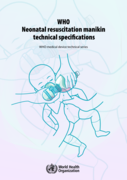
The United Nations Commission on Life-Saving Commodities (UNCLSC, 2012) defined 13 health products to end preventable deaths of woman and children. One of those 13 products is the neonatal resuscitator, is indispensable medical device to save newborns from asphyxia at birth. For the efficient use of...
Guidance for General Medical and Specialised Mental Health Care Settings
Case study
An emergency WASH gap exists – there is little disagreement on this point within the humanitarian sector. There is a paucity of emergency WASH capacity, but a surplus of complacency. This report provides an overview of both historical trends and current challenges in emergency WASH pro...
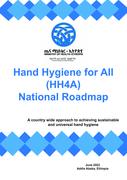
In collaboration with partners, the government of Ethiopia has successfully developed 10 years Hand Hygiene for All (HH4A) costed national roadmap- a country-wide approach to achieving sustainable and universal hand hygiene. On the occasion of the 2022 Global Hand Washing Day event ( Ethiopia is cel...