
Filter
6309
Filtered Results: 6309
Text search:
Center
for
Disease
Control
and
Prevention,
World
Health
Organisation
Featured
Recommendations
657
New Publications
1633
Language
Document type
No document type
3316
Studies & Reports
1076
Guidelines
953
Manuals
373
Strategic & Response Plan
270
Fact sheets
114
Training Material
97
Situation Updates
59
Resource Platforms
18
Infographics
12
Brochures
10
Online Courses
6
Dashboards/Maps
2
App
2
Videos
1
Countries / Regions
Global
297
India
283
Sierra Leone
166
Kenya
165
Liberia
144
Western and Central Europe
140
Nigeria
129
Ethiopia
126
Uganda
113
Latin America and the Carribbean
110
South Africa
110
Africa
95
Tanzania
88
Zambia
87
Nepal
83
Rwanda
81
Malawi
77
Ghana
69
Namibia
67
Ukraine
66
Bangladesh
65
Congo, Democratic Republic of
62
Philippines
58
Eastern Europe
57
Myanmar / Burma
57
Syria
56
Russia
54
Guinea
53
South–East Asia Region
45
South Sudan
45
Mozambique
43
Haiti
42
Senegal
41
Asia
41
Zimbabwe
39
Lesotho
37
Middle East and North Africa
37
Brazil
36
Cambodia
35
West and Central Africa
34
Burkina Faso
29
Germany
29
Eastern Europe and Central Asia
29
East and Southern Africa
28
Yemen
27
Indonesia
24
Botswana
23
Madagascar
20
Colombia
19
Cameroon
18
Pakistan
18
Afghanistan
17
Thailand
16
Mali
16
Venezuela
15
Western Pacific Region
15
Eswatini/ Swaziland
15
Tajikistan
13
Central African Republic
13
Côte d’Ivoire / Ivory Coast
12
Angola
12
China
11
Paraguay
11
Vietnam
11
Moldova
11
Somalia
11
Benin
10
Albania
10
Sudan
10
North America
9
Argentina
9
Georgia
9
Togo
8
Laos
8
Niger
7
Peru
7
USA
7
Guinea-Bissau
7
Jordan
7
Lebanon
7
Sri Lanka
7
Iraq
7
Chile
6
Burundi
6
Chad
6
North Macedonia
5
Gambia
5
Kazakhstan
5
Armenia
5
Saudi Arabia
5
Papua New Guinea
5
Poland
5
Timor Leste/ East Timor
4
El Salvador
4
Turkey
4
Hungary
4
Turkmenistan
4
Japan
4
Spain
4
Romania
4
Honduras
4
Ecuador
4
Mexico
3
Iran
3
Canada
3
Kyrgyzstan
3
Congo-Brazzaville
3
Jamaica
3
France
3
Belarus
3
Southern Africa
3
Bolivia
3
Palestine
3
Libya
3
Bhutan
3
Estonia
2
Uzbekistan
2
Malaysia
2
Bulgaria
2
Mauritania
2
Dominican Republic
2
Mauritius
2
United Kingdom
2
Bosnia and Herzegovina
2
Egypt
2
Slovakia
2
Switzerland
1
Serbia
1
Singapore
1
Morocco
1
Mongolia
1
Qatar
1
Italy
1
Cape Verde
1
Lithuania
1
Gabon
1
Uruguay
1
Denmark
1
Belgium
1
Maldives
1
Tunisia
1
Azerbaijan
1
Israel
1
Latvia
1
Belize
1
Costa Rica
1
Panama
1
Nicaragua
1
Greece
1
Guatemala
1
Authors & Publishers
Publication Years
Category
Countries
2254
Clinical Guidelines
544
Public Health
419
Key Resources
327
Women & Child Health
271
Capacity Building
101
Pharmacy & Technologies
78
Annual Report MEDBOX
1
Toolboxes
COVID-19
617
HIV
526
TB
444
Mental Health
365
Ebola & Marburg
274
AMR
242
NTDs
225
Planetary Health
180
Rapid Response
164
Caregiver
159
NCDs
145
Conflict
116
Malaria
104
Disability
102
Refugee
100
2.0 Rapid Response
88
Global Health Education
88
Zika
87
Pharmacy
84
Health Financing Toolbox
71
Cholera
62
Natural Hazards
54
Polio
45
Specific Hazards
29
Social Ethics
12
South Sudan
2
Typhoon
1

The WHO Guidance on community mental health services: Promoting person-centred and rights-based approaches document is part of the WHO Guidance and technical packages on community mental health services set of publications. It provides a detailed description of person-centred and human rights-based ...
The WHO Guidance on community mental health services: Promoting person-centred and rights-based approaches document is part of the WHO Guidance and technical packages on community mental health services set of publications. It provides a detailed description of person-centred and human rights-based ...
This curricula guide builds on several existing products of WHO and partners, aimed at supporting countries in their effort to address the first objective of the GAP-AMR (to improve awareness and understanding of AMR). It is targeted specifically at health educators and policy planners, and applies ...

Evidence- and rights-based national policies, guidelines and legislation play a key role in improving sexual, reproductive, maternal, newborn, child and adolescent health (SRMNCAH), framing the enabling environment for equitable provision and accessibility of quality services. The SRMNCAH policy sur...

The ongoing COVID-19 pandemic has shown that public financial management (PFM) should be an integral part of the response. Effectiveness in financing the health response depends not only on the level of funding but also on the way public funds are allocated and spent, this is determined by the PFM r...

This South-East Asia Regional Strategy for Primary Health Care: 2022-2030 aims to accelerate progress in all countries of the Region towards universal health coverage (UHC), health security and the health-related Sustainable Development Goals (SDGs). It is intended to provide Member States with guid...
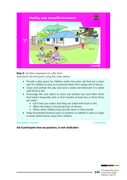
The community-BFCI (c-BFCI) manual has been developed to facilitate training of CHVs and stakeholders providing nutrition sensitive services at community level. The manual covers a wide range of topics: basic nutrition, exclusive breastfeeding, complementary feeding, Breast Milk Substitutes Act, gro...

Every day in 2020, approximately 800 women died from preventable causes related to pregnancy and childbirth - meaning that a woman dies around every two minutes.
Sustainable Development Goal (SDG) target 3.1 is to reduce maternal mortality to less than 70 maternal deaths per 100 000 live births by ...
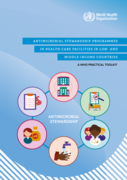
Stewardship is defined as “the careful and responsible management of something entrusted to one’s care”. It was originally applied in the health-care setting as a tool for optimizing antimicrobial use, termed “antimicrobial stewardship” (AMS). Stewardship has since be...
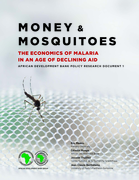
The report examines financing in the battle against malaria, focusing on the role of foreign aid. It analyzes whether or not a disease such as malaria can be controlled or eliminated in Africa without health aid. It also presents a theoretical model of the economics of malaria and shows how health a...
The State of the world’s nursing 2020 report provides the latest, most up-to-date evidence on and policy options for the global nursing workforce.
The WHO global health sector strategy on sexually
transmitted infections, 2016–2021 (1) includes country
milestones for achievement by 2020 and global
targets for achievement by 2030. In addition, countries
were called to identify national sexually transmitted
infection (STI) targets for...
The WHO EMRO webpage on the "Regional framework for action" outlines strategies for addressing noncommunicable diseases (NCDs) within the Eastern Mediterranean region. The framework provides a roadmap for countries to reduce the prevalence and impact of NCDs such as cardiovascular diseases, diabetes...

A Situational Assessment and Five-YearAction Plan for the Africa CDC Strengthening Regional Public Health Institutions and Capacity for Surveillance and Response Program
Non-Communicable Diseases (NCDs) are a worldwide epidemic. Particularly, the most common diseases - Cardiovascular diseases, Chronic Obstructive Pulmonary Diseases (COPD), Chronic Kidney Diseases, Cancer, Diabetes, injuries and disabilities, EMT, oral, eye g...
Apart from implementation of TB infection Prevention and Control measures, treatment of those with active TB of the lungs is key in preventing the spread of the TB bacilli. The Public Health Act CAP 242, section 17 classify TB as notifiable infectious disease and under section 26 as part of preventi...
These guidelines for the prevention and management of cardiovascular diseases are a critical ingredient for streamlining care across the entire health services provision continuum. They are a strategic component in achieving universal health coverage, securing affordable heal...
The ICAT is a simple and practical approach for assessing the adequacy of existing infection prevention and control practices and provides specific recommendations for improving practices and monitoring their effectiveness over time

Mental health problems are common and cause great suffering to individuals and communities around the world. They have a significant impact not only on the physical and mental health of those affected but also on their families and the communities they live in. At the same time, all communities have...
