
Filter
2373
Filtered Results: 2373
Text search:
field
of
life
sciences
Featured
Recommendations
197
New Publications
559
Language
Document type
No document type
1281
Studies & Reports
499
Guidelines
256
Manuals
173
Strategic & Response Plan
78
Training Material
40
Fact sheets
26
Situation Updates
10
Resource Platforms
7
Brochures
2
Videos
1
Countries / Regions
India
149
Global
85
Kenya
50
South Africa
48
Nepal
47
Sierra Leone
44
Africa
37
Uganda
35
Ghana
34
Ethiopia
33
Liberia
33
Western and Central Europe
30
Myanmar / Burma
30
Malawi
29
Rwanda
28
Namibia
28
Nigeria
26
Latin America and the Carribbean
26
Tanzania
25
Zambia
24
Syria
23
Ukraine
19
Philippines
19
Bangladesh
17
South–East Asia Region
16
Eastern Europe
16
Zimbabwe
15
Brazil
13
Asia
12
Germany
11
Lesotho
10
Guinea
10
Congo, Democratic Republic of
10
Botswana
10
Indonesia
10
Russia
9
Eswatini/ Swaziland
9
Cameroon
8
Mozambique
8
Burkina Faso
7
USA
7
Jordan
7
Eastern Europe and Central Asia
7
South Sudan
7
Turkey
6
Senegal
6
Cambodia
6
Western Pacific Region
6
Lebanon
6
Yemen
6
Pakistan
6
Haiti
5
West and Central Africa
5
Sri Lanka
5
Laos
4
Venezuela
4
East and Southern Africa
4
Iraq
4
Colombia
3
Benin
3
China
3
Peru
3
Middle East and North Africa
3
United Kingdom
3
Vietnam
3
Sudan
3
Georgia
3
Angola
3
Tajikistan
2
Chile
2
Afghanistan
2
Paraguay
2
Portugal
2
Spain
2
Israel
2
Bosnia and Herzegovina
2
Southern Africa
2
Argentina
2
Moldova
2
Palestine
2
Honduras
2
Guatemala
2
North Macedonia
1
Timor Leste/ East Timor
1
Thailand
1
El Salvador
1
Serbia
1
Gambia
1
Togo
1
Kazakhstan
1
Iran
1
Albania
1
Canada
1
Kyrgyzstan
1
Dominican Republic
1
Lithuania
1
North America
1
Turkmenistan
1
France
1
Maldives
1
Mauritius
1
Côte d’Ivoire / Ivory Coast
1
Bolivia
1
Belize
1
Costa Rica
1
Panama
1
Papua New Guinea
1
Nicaragua
1
Egypt
1
Mali
1
Chad
1
Ecuador
1
Madagascar
1
Authors & Publishers
Publication Years
Category
Countries
778
Clinical Guidelines
191
Key Resources
154
Public Health
145
Women & Child Health
106
Capacity Building
42
Pharmacy & Technologies
32
Annual Report MEDBOX
1
Toolboxes
Mental Health
260
Planetary Health
180
HIV
121
COVID-19
120
Disability
117
TB
95
NTDs
85
Caregiver
78
Global Health Education
60
AMR
55
Ebola & Marburg
52
Pharmacy
48
Conflict
46
NCDs
38
Social Ethics
35
Natural Hazards
33
Refugee
32
Rapid Response
29
Malaria
29
Specific Hazards
26
2.0 Rapid Response
25
Health Financing Toolbox
11
Polio
11
Zika
9
Cholera
7
South Sudan
1
Many low-resource settings have a shortage of physicians and health workers. (1) In order to provide patient-centred continuous care more effectively, primary care systems can include team-based care strategies in their clinic workflows and protocols. Team-based care uses multidisciplinary teams (wh...
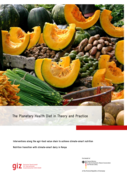
On the global scale, the impacts of the current food system on the environment are severe. The agro-industrial revolution has made it possible to increase food production at a price.
African countries, like many regions of the world, are affected by the legacy of atrocity crimes. Genocide, the transatlantic slave trade and slavery, colonialism and post-independence violence committed during dictatorships, not to mention civil war and violent extremism, have severely violated hum...

Men lag behind women regarding use of HIV services and represent the majority of individuals living with uncontrolled HIV, advanced HIV, and who experience HIV-related mortality. Men (15+) globally are less likely than women (15+) to know their HIV status (83% for men vs 91% for women), be on antire...

This toolkit is a comprehensive set of practical tools and resources designed to support country-level risk communication and community engagement (RCCE) practitioners, decision-makers, and partners to plan and implement readiness and response activities for yellow fever outbreaks. The toolkit conta...
Globally each year, millions of people suffer illness or lose their lives because the vaccines, medicines and diagnostic tests that they need are either unavailable or unaffordable – and this lack of access to medicine is acute in low- and middle-in-
come countries (LMICs). While the COVID-19 pan...
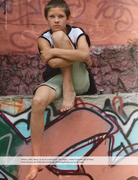
The full range and scale of all forms of violence against children are only now becoming visible, as is the evidence of the harm it does. This book documents the outcomes and recommendations of the process of the United Nations Secretary-General’s Study on Violence against Children. ‘The Studyâ€...
Submitted to the US Agency for International Development by the
Systems for Improved Access to Pharmaceuticals and Services (SIAPS) Program.
This manual provides a framework to identify problems and design interventions to improve access to and use of medicines for children. It is a resource for ...

The annual Joint Meeting of the Food and Agriculture Organization of the United Nations (FAO) Panel of Experts on Pesticide Residues in Food and the Environment and the World Health Organization (WHO) Core Assessment Group on Pesticide Residues (JMPR) was held in Rome, Italy, from 13 to 22 September...

The far-reaching impacts of the COVID-19 pandemic underscore the critical need for evidence-informed, transparent and inclusive decision-making. Policy-makers have grappled with complex choices amidst uncertainty. They have constantly reassessed response measures while navigating their economic impl...
Growing evidence indicates that large proportions of children around the world experience physical, sexual and emotional violence every year, with enormous implications for human rights, public health and economic and social development.1 Over the last five years, national governments and Together f...
Trachoma is the leading infectious cause of blindness worldwide. In April 2023, it was a public health problem
in approximately 40 countries, with an estimated 116 million people at risk and 1.5 million people affected
by the late blinding stage of the disease (1). About 84% of those at risk of tr...
The Bolivarian Republic of Venezuela has been facing a sociopolitical and economic situation that has negatively impacted social and health indicators. There have been intensified population movements both within the country and to other countries, particularly to Argentina, Brazil, Chile, Colombia,...
Best Practices Report.PART 1 Primary Protection: Enhancing Health Care Resilience for a Changing Climatei Primary Protection: EnhancingU.S. Department of Health and Human Services

The target audience of this document (and the associated online companion tool) includes WHO country offices in Member States of the African Region; Member States’ ministries of health and their public health emergency operation centres; relevant external assessment teams; and partners looking to ...
Effective Ebola risk communication requires respect and transparency and remains as vital
as ever. An assessment of changing communication needs and preferences in Beni, North Kivu.
In the second year of the current Ebola outbreak response in the Democratic Republic of Congo (DRC), people at ris...
Report
A Project of the Joep Lange Institute July, 2018
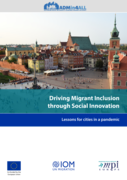
The rapid arrival of millions of asylum seekers and migrants in Europe in 2015–16 forced cities both large and small to rethink their approach to immigrant inclusion.
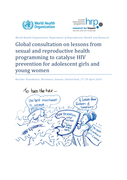
World Health Organization Department of Reproductive Health and Research
Brocher Foundation, Hermance, Geneva, Switzerland, 27–29 April 2016
