
Filter
5866
Filtered Results: 5866
Text search:
clinics
Featured
Recommendations
478
New Publications
1612
Language
Document type
No document type
3617
Studies & Reports
806
Guidelines
643
Manuals
306
Strategic & Response Plan
152
Training Material
139
Fact sheets
88
Situation Updates
54
Infographics
19
Brochures
17
Resource Platforms
16
Online Courses
7
Videos
2
Countries / Regions
India
276
Global
194
Kenya
189
South Africa
187
Liberia
146
Sierra Leone
129
Uganda
126
Malawi
123
Nigeria
122
Nepal
119
Tanzania
117
Bangladesh
109
Ethiopia
108
Zambia
102
Myanmar / Burma
95
Namibia
88
Ghana
82
Syria
82
Western and Central Europe
82
Africa
79
Rwanda
75
Ukraine
63
Philippines
60
Zimbabwe
54
Latin America and the Carribbean
48
Lesotho
46
Eastern Europe
42
Congo, Democratic Republic of
41
South–East Asia Region
40
Cambodia
36
Asia
36
Mozambique
35
Botswana
34
Indonesia
34
Haiti
33
South Sudan
33
Guinea
30
Senegal
28
Russia
26
Eswatini/ Swaziland
26
Cameroon
24
Burkina Faso
21
Venezuela
20
Germany
20
Yemen
20
Brazil
19
West and Central Africa
18
East and Southern Africa
16
Afghanistan
15
Jordan
15
Pakistan
15
Eastern Europe and Central Asia
14
Middle East and North Africa
13
Lebanon
13
Central African Republic
13
Benin
11
Western Pacific Region
11
Madagascar
11
Vietnam
10
Colombia
9
Thailand
9
Peru
9
Georgia
9
Mali
9
Tajikistan
8
Turkey
8
Albania
8
Laos
8
USA
8
Sudan
8
China
7
Southern Africa
7
Argentina
7
Iraq
7
North Macedonia
6
Togo
6
Niger
6
Sri Lanka
6
Armenia
5
Côte d’Ivoire / Ivory Coast
5
Papua New Guinea
5
Libya
5
Somalia
5
El Salvador
4
Burundi
4
Paraguay
4
Jamaica
4
Palestine
4
Timor Leste/ East Timor
3
Mexico
3
Gambia
3
Chile
3
Canada
3
Guinea-Bissau
3
Bolivia
3
Moldova
3
Egypt
3
Romania
3
Angola
3
Chad
3
Switzerland
2
Kazakhstan
2
Iran
2
Estonia
2
Bulgaria
2
Hungary
2
Saudi Arabia
2
North America
2
Mauritius
2
United Kingdom
2
Belarus
2
Poland
2
Bhutan
2
Ecuador
2
Serbia
1
Kyrgyzstan
1
Uzbekistan
1
Mongolia
1
Qatar
1
Mauritania
1
Croatia
1
Lithuania
1
Ireland
1
Gabon
1
Belgium
1
France
1
Maldives
1
Portugal
1
Spain
1
South Korea
1
French Guyana
1
Israel
1
Nicaragua
1
Slovakia
1
Greece
1
Honduras
1
Solomon Islands
1
Guatemala
1
Authors & Publishers
Publication Years
Category
Countries
2410
Clinical Guidelines
411
Women & Child Health
321
Public Health
291
Key Resources
268
Capacity Building
176
Pharmacy & Technologies
36
Annual Report MEDBOX
1
Toolboxes
HIV
638
Mental Health
501
TB
360
COVID-19
330
Caregiver
196
Disability
179
Ebola & Marburg
174
Conflict
161
NTDs
137
AMR
128
NCDs
122
Refugee
105
Pharmacy
90
Rapid Response
89
Planetary Health
78
Malaria
66
Natural Hazards
65
Global Health Education
56
2.0 Rapid Response
45
Health Financing Toolbox
32
Cholera
28
Social Ethics
20
Polio
18
Zika
15
Specific Hazards
13
Typhoon
5
South Sudan
1
Guidelines for treatment of drug-susceptible tuberculosis and patient care
Update 2017
Of the 50 antibiotics in the pipeline, 32 target WHO priority pathogens but the majority have only limited benefits when compared to existing antibiotics. Two of these are active against the multi-drug resistant Gram-negative bacteria, which are spreading rapidly and require urgent solutions.
Gr...
Countdown to zero
2011- 2015
Journal of Microbiology and Infectious Diseases / 2015; 5 (3): 110-113
JMID, doi: 10.5799/ahinjs.02.2015.03.0187
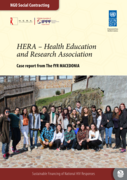
Case report from The fYR MACEDONIA
NGO Social Contracting
Sustainable Financing of National HIV Responses
• PrEP is highly effective in preventing the sexual transmission of HIV.
• For PrEP to work well, it’s important to take the pills regularly.
• While PrEP can prevent HIV, it does not protect against other sexually transmitted infections.

Round 3: Key informant findings from 129 countries, territories and areas - Quarter 4 2021
Countries reported disruptions in all health-care settings. In more than half of countries surveyed, many people are still unable to access care at the primary care and community care levels. Significant dis...
This brochure, available in English and Spanish, provides an overview of pediatric palliative care and answers questions that parents and families may have, such as:
How do I know if my child or family needs palliative care?
Does accepting palliative care mean our family is giving up on ot...
National Guidelines for Antiretroviral Therapy
recommended
The MalariaCare Toolkit. Tools for maintaining high-quality malaria
case management services.
Developed by MalariaCare, this module supports health supervisors in improving the management of severe malaria by providing focused, case-based learning and mentorship. It provides clinical supervisors w...
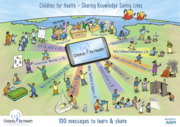
This document outlines key health messages for children and their caregivers, with a focus on the prevention and early treatment of common illnesses. Topics covered include malaria, diarrhoea, malnutrition, respiratory infections, intestinal worms, HIV/AIDS and accident prevention. The importance of...
This operational guidance provides a structured approach to support countries in sustaining priority services for HIV, viral hepatitis and sexually transmitted infections in the context of reduced external funding. The guidance is intended for national governments, public health programmes, communit...
Palliative care is an approach that improves the quality of life of patients (adults and children) and their families who are facing problems associated with life-threatening illness. It prevents and relieves suffering through the early identification, correct assessment and treatment of pain and ot...
