
Filter
14998
Filtered Results: 14998
Text search:
Moore
A.
Featured
Recommendations
1182
New Publications
3623
Language
Document type
No document type
7913
Studies & Reports
2721
Guidelines
1668
Manuals
753
Fact sheets
604
Strategic & Response Plan
476
Training Material
322
Situation Updates
191
Infographics
130
Resource Platforms
84
Brochures
81
Online Courses
31
Videos
20
Dashboards/Maps
2
App
2
Countries / Regions
Global
700
India
627
Kenya
383
South Africa
304
Ethiopia
291
Sierra Leone
286
Uganda
269
Nigeria
261
Liberia
250
Nepal
245
Western and Central Europe
232
Myanmar / Burma
232
Africa
220
Bangladesh
199
Rwanda
197
Syria
195
Malawi
193
Latin America and the Carribbean
193
Zambia
187
Tanzania
185
Congo, Democratic Republic of
178
Ukraine
157
Ghana
154
Namibia
136
Philippines
122
Senegal
119
South Sudan
114
Haiti
97
Zimbabwe
96
Lesotho
94
Mozambique
94
Burkina Faso
92
West and Central Africa
89
South–East Asia Region
87
Indonesia
86
Guinea
84
Cambodia
83
East and Southern Africa
81
Yemen
81
Germany
78
Eastern Europe
78
Venezuela
76
Brazil
72
Asia
71
Middle East and North Africa
65
Cameroon
59
Afghanistan
53
Russia
51
Pakistan
49
Benin
46
Botswana
46
Central African Republic
45
Colombia
44
Lebanon
44
Eastern Europe and Central Asia
43
Eswatini/ Swaziland
41
Mali
39
Somalia
33
Madagascar
33
Sudan
31
Jordan
29
Côte d’Ivoire / Ivory Coast
29
USA
28
Vietnam
28
Western Pacific Region
26
Thailand
25
China
24
Peru
22
Iraq
22
Sri Lanka
19
Tajikistan
18
Paraguay
18
Moldova
18
Angola
18
Turkey
17
Albania
17
Niger
17
Togo
16
Chile
16
Laos
16
North America
15
Palestine
14
Chad
14
Georgia
13
Libya
13
Argentina
12
Ecuador
12
North Macedonia
11
Burundi
11
United Kingdom
11
Greece
11
Iran
10
Papua New Guinea
10
Egypt
10
Kazakhstan
9
Southern Africa
9
Kyrgyzstan
8
Guinea-Bissau
8
Bolivia
8
Mexico
7
Serbia
7
Gambia
7
Jamaica
7
Portugal
7
Poland
7
Timor Leste/ East Timor
6
El Salvador
6
Malaysia
6
Armenia
6
Hungary
6
Ireland
6
Romania
6
Honduras
6
Bhutan
6
Guatemala
6
Canada
5
Singapore
5
Morocco
5
Saudi Arabia
5
Turkmenistan
5
Tunisia
5
Spain
5
Fiji
4
Uzbekistan
4
Mongolia
4
Italy
4
Dominican Republic
4
Japan
4
France
4
Djibouti
4
Switzerland
3
Australia
3
Estonia
3
Vanuatu
3
Croatia
3
Gabon
3
Belgium
3
Mauritius
3
Belarus
3
Bosnia and Herzegovina
3
Guyana
3
Nicaragua
3
North Korea
2
Congo-Brazzaville
2
Qatar
2
Bulgaria
2
Mauritania
2
Lithuania
2
Azerbaijan
2
Israel
2
Slovakia
2
Solomon Islands
2
Cape Verde
1
Luxembourg
1
Denmark
1
Maldives
1
Norway
1
South Korea
1
Algeria
1
Morocco
1
French Guyana
1
Latvia
1
Belize
1
Costa Rica
1
Oman
1
Panama
1
Cuba
1
Authors & Publishers
Publication Years
Category
Countries
5422
Clinical Guidelines
926
Key Resources
827
Public Health
725
Women & Child Health
725
Capacity Building
324
Pharmacy & Technologies
133
Annual Report MEDBOX
3
Toolboxes
COVID-19
1424
Mental Health
1139
HIV
1048
TB
648
Disability
586
Planetary Health
564
Ebola & Marburg
485
NTDs
477
Conflict
447
Caregiver
414
AMR
380
Refugee
362
NCDs
329
Rapid Response
251
Global Health Education
234
Natural Hazards
232
Pharmacy
220
Malaria
212
Health Financing Toolbox
208
2.0 Rapid Response
131
Zika
127
Cholera
121
Social Ethics
114
Polio
85
Specific Hazards
83
Typhoon
14
South Sudan
3

This document contains summary information on the latest projections from the IHME model on COVID-19
in Brazil. The model was run on July 15, 2022, with data through July 13, 2022.
Person under investigation (PUI) form for coronavirus disease 2019 (COVID-19): Request for severe acute respiratory syndrome coronavirus 2 (SARS-CoV-2) testing
and
COVID-19 Contact line list
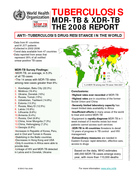
Tuberculosis MDR-TB & XDR-TB The 2008 Report

RBC/IHDPC/ EID Division | November2011 - The aim of the standard operating procedures is to guide health care providers and public health
experts from various levels of the health system in the implementation of enhanced surveillance of meningococcal meningitis.
Compilation of country case studies and best practices. World Health Report (2010) Background Paper, 25
Getting to Zero
Sustainable Financing of National HIV Responses
This series of supportive tools are based on the WHO Therapeutics and COVID-19: living guideline. They are intended to provide supportive information for healthcare workers who are prescribing, administering and monitoring patients receiving nirmatrelvir-ritonavir for non-severe COVID-19.

The Council was established in late 2020 by Dr Tedros Adhanom
Ghebreyesus (Director-General, WHO) to provide new economic thinking – reassessing how health and wellbeing are valued, produced and distributed across the economy. An all-female group of 10 distinguished economists and area experts, t...

The Plan subscribes to the goals and pillars of the WHO Global Technical Strategy against Malaria 2016-2030 (GTS), while presenting key elements to address the specific challenges of the Region.

The objectives of this guideline are the same as those of the 2011 edition, namely to provide evidence-based normative guidance on interventions to improve adolescent morbidity and mortality by reducing the chances of early pregnancy and its resulting poor health outcomes. The specific objectives of...

Early Identification and Early Intervention Services for Young Children with Developmental Delays and Disabilities in Namibia Republic of Namibia Namibia
Regional Consultations Report
This comprehensive reference document is intended for those responsible for training in SMC (Seasonal Malaria Chemoprevention). It assumes that SMC will be implemented using the Community Health Worker strategy.
This set of malaria awareness posters, created by the National Institute for Communicable Diseases (NICD), provides the general public in South Africa with clear visual messages about malaria prevention, symptoms and the importance of early treatment. Designed for community outreach, the posters enc...
This guide provides practical tools and strategies for interpersonal communication (IPC) to support the prevention and treatment of malaria in northern Nigeria. Targeting health workers, community leaders and vulnerable groups such as pregnant women and young children, it aims to improve knowledge, ...

WHO recommends artemisinin-based combination therapies for treating uncomplicated malaria, alongside studies to monitor treatment effectiveness. Given the threat of antimalarial resistance, including partial resistance in several African countries, molecular tools are vital for tracking resistance. ...
