
Filter
9344
Filtered Results: 9344
Text search:
Education
International
Featured
Recommendations
664
New Publications
2463
Language
Document type
No document type
5397
Studies & Reports
1636
Guidelines
933
Manuals
474
Strategic & Response Plan
392
Training Material
179
Fact sheets
142
Situation Updates
94
Resource Platforms
31
Infographics
30
Brochures
26
Online Courses
6
Videos
3
App
1
Countries / Regions
Global
372
India
290
Kenya
283
Ethiopia
185
Nepal
184
Myanmar / Burma
184
Latin America and the Carribbean
176
Uganda
171
Sierra Leone
170
Nigeria
166
South Africa
166
Liberia
150
Zambia
141
Western and Central Europe
140
Rwanda
135
Malawi
134
Bangladesh
134
Tanzania
131
Syria
126
Congo, Democratic Republic of
123
Africa
114
Senegal
112
Ghana
107
Namibia
95
Ukraine
91
Venezuela
90
Philippines
77
Burkina Faso
75
Haiti
74
Zimbabwe
73
Cambodia
71
Colombia
69
Paraguay
66
Indonesia
66
Lesotho
65
South Sudan
61
Benin
57
South–East Asia Region
53
Asia
52
Mozambique
49
Guinea
48
Cameroon
47
Eastern Europe
43
Germany
41
Central African Republic
41
Botswana
39
Yemen
38
West and Central Africa
37
Brazil
33
East and Southern Africa
32
Argentina
32
Afghanistan
31
Madagascar
31
Peru
28
Eswatini/ Swaziland
28
Russia
27
Chile
26
Middle East and North Africa
25
Eastern Europe and Central Asia
25
Pakistan
25
Lebanon
24
Vietnam
24
Mali
24
Jordan
22
Thailand
21
Bolivia
21
Sudan
21
Ecuador
19
China
17
Togo
16
Laos
16
Iraq
16
Western Pacific Region
14
Somalia
14
El Salvador
13
Albania
13
Burundi
13
Côte d’Ivoire / Ivory Coast
13
Moldova
13
Tajikistan
12
Sri Lanka
11
USA
10
Turkey
9
Niger
9
Georgia
9
Iran
8
Greece
8
Honduras
8
Guatemala
8
North Macedonia
7
Southern Africa
7
Papua New Guinea
7
Palestine
7
North America
6
Spain
6
Poland
6
Libya
6
Timor Leste/ East Timor
5
Mexico
5
Kazakhstan
5
Romania
5
Chad
5
Gambia
4
Kyrgyzstan
4
Malaysia
4
Morocco
4
Dominican Republic
4
Hungary
4
Turkmenistan
4
Japan
4
Portugal
4
Egypt
4
Switzerland
3
Serbia
3
Canada
3
Estonia
3
Armenia
3
Croatia
3
Saudi Arabia
3
Uruguay
3
Jamaica
3
Mauritius
3
Tunisia
3
Bosnia and Herzegovina
3
Angola
3
Fiji
2
Singapore
2
Uzbekistan
2
Bulgaria
2
Lithuania
2
Gabon
2
France
2
United Kingdom
2
Azerbaijan
2
Israel
2
Nicaragua
2
Slovakia
2
Bhutan
2
Austria
1
Vanuatu
1
Mongolia
1
Qatar
1
Mauritania
1
Guinea-Bissau
1
Ireland
1
Maldives
1
Belarus
1
Latvia
1
Belize
1
Costa Rica
1
Guyana
1
Panama
1
Authors & Publishers
Publication Years
Category
Countries
3845
Key Resources
535
Women & Child Health
500
Public Health
487
Clinical Guidelines
481
Capacity Building
185
Pharmacy & Technologies
42
Annual Report MEDBOX
3
Toolboxes
Mental Health
815
HIV
606
COVID-19
597
Disability
558
TB
381
Planetary Health
323
Conflict
283
Caregiver
261
AMR
231
NTDs
221
Ebola & Marburg
217
Refugee
213
Global Health Education
180
NCDs
160
Natural Hazards
139
Rapid Response
136
Pharmacy
109
Health Financing Toolbox
98
Malaria
96
2.0 Rapid Response
73
Social Ethics
67
Cholera
53
Zika
42
Specific Hazards
38
Polio
37
Typhoon
6
South Sudan
1

According to the Report, cascading and interlinked crises are putting the 2030 Agenda for Sustainable Development in grave danger, along with humanity’s very own survival. The Report highlights the severity and magnitude of the challenges before us. The confluence of crises, dominated by COVID-19,...
Child sex trafficking is a severe form of trauma exposure that has significant immediate and long-term consequences for survivors. According to the United Nations International Labor Organization, in 2016 more than 1 million children worldwide were victims of commercial sexual exploitation. Currentl...

Background: One of the objectives of the Global Action Plan by the World Health Organization (WHO) to contain antimicrobial resistance (AMR), is to improve global awareness through effective communication and education. Comprehensive information on the level of awareness of AMR among Nigerian public...
States have a moral and legal obligation—under the Universal Declaration of Human Rights, human rights treaties, the 2030 Agenda for Sustainable Development and other international obligations—to remove discriminatory laws and to enact laws that protect people from discrimination
It is widely understood that the food insecurity crisis in the Sahel and the Horn of Africa is one of the world’s fastest growing and most neglected crises. It lacks sufficient global focus, resources and urgency. As in so many crises, women and girls are disproportionately affected and shoulder t...
War child: "I´ve moved, my rights haven't" (Towards a global action plan for children forced to flee)
recommended
We live in a world in which 28 million children have been driven from their
homes as a result of conflict, persecution and insecurity¹. If current trends
continue, more than 63 million children could be forced to flee by 2025², of
which over 25 million will cross borders and become refugees. At...
The National Department of Health and Department of Agriculture, Forestry and Fisheries have collectively engaged to determine the key interventions that will form the basis for this strategy taking into account the recommendations from the WHO and OIE.
The development and implementation of a Natio...
The APCA Atlas provides the most up-to-date information of palliative care development in nearly all countries in Africa, using indicators derived, rated, and chosen by in-country African experts followed by a thorough Delphi consensus process with a panel of international experts on palliative care...

Uganda hosts approximately 1.1 million refugees making it Africa’s largest refugee hosting country and one of the five largest refugee hosting countries in the world. Most recently, throughout 2016- 2018, Uganda was impacted by three parallel emergencies from South Sudan, the Democratic Republic o...
A comprehensive briefing by Half of Syria
April 2020
A comprehensive briefing on the critical challenges of the COVID-19 pandemic to Syrians, as reported by Syrian civil society organisations. These challenges have been collated following extensive interviews with the teams of member and partner...
If you are fleeing the war in Ukraine and coming to the European Union, you will find key information about your rights with regard to crossing the border into an EU country, eligibility for temporary protection and applying for international protection, as well as the rights of travel inside the Eu...
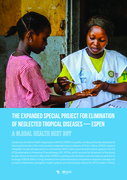
While virtually unheard of in developed countries, NTDs are a group of medically diverse parasitic and bacterial infectious diseases common in tropical and subtropical areas. NTDs affect more than 1.5 billion people annually, causing death, blindness, disfigurement, chronic pain, cognitive impairmen...

The aim of the present paper is to review capacity building in public health nutrition (PHN), the need for which has been stressed for many years by a range of academics, national and international organisations. Although great strides have been made worldwide in the science of nutrition, there rema...

A year ago, the second Special Session of the World Health Assembly (WHASS) unanimously agreed to start a diplomatic process for a new binding instrument aimed at ensuring the international community is better prepared for the next health emergencies. The establishment of an Intergovernmental Negoti...
Gender-based violence is a life-threatening, global health and human rights issue that violates international human rights law and principles of gender equality. It is also a threat to lasting peace and an affront to our common humanity. United Nations Member States have called for urgent action to ...
L’enseignement des soins infirmiers se fait sous la tutelle du ministère de la Santé et de la Prévention médicale.Il est en pleine effervescence,mais seulement avec deux niveaux de formation.
- En premier lieu,il y a la formation initiale qu’une seule institution nationale a assurée de 195...
DHS Further Analysis Reports No. 108 - This report examines levels, trends, and inequalities in maternal health in Rwanda from 2010 to 2014-15 among women age 15-49 with a recent birth. The analysis uses Demographic and Health Survey (DHS) data for 15 key indicators of maternal health: 6 for antenat...
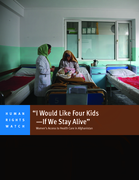
Over the past two decades, Afghanistan has depended on international donor support to fund essential services like health care. But this donor support has been falling for years and will likely to continue do so—perhaps precipitously—following the announcement by United States President Joe Bide...
Investing in and building longer-term health emergency preparedness during the COVID-19 pandemic
recommended
Interim Guidance
This document is to help Member States build on actions taken during the COVID-19 pandemic to improve national medium- to long-term preparedness for future threats. It maps COVID-19 preparedness and response actions to the building of sustainable International Health Regulations (2...
The Sphere standards in national humanitarian response discussion paper sets out to understand and describe opportunities for adapting international humanitarian standards to a regional, national or local level in preparing for, or responding to a disaster. The paper, which includes case studies and...
