
Filter
3289
Filtered Results: 3289
Text search:
injection
waste
Featured
Recommendations
391
New Publications
943
Language
Document type
No document type
1694
Guidelines
566
Studies & Reports
474
Manuals
229
Strategic & Response Plan
135
Training Material
75
Fact sheets
60
Situation Updates
21
Infographics
18
Brochures
7
Resource Platforms
6
Online Courses
3
Videos
1
Countries / Regions
India
214
Sierra Leone
132
Kenya
114
Liberia
113
Global
105
Nigeria
90
Ethiopia
81
Uganda
77
South Africa
75
Nepal
74
Rwanda
63
Tanzania
61
Ghana
58
Zambia
56
Western and Central Europe
53
Bangladesh
51
Malawi
48
Namibia
39
Myanmar / Burma
38
Syria
35
Philippines
35
Africa
35
Latin America and the Carribbean
31
Guinea
29
Zimbabwe
26
Ukraine
25
Congo, Democratic Republic of
25
Lesotho
23
Haiti
22
South Sudan
21
Cambodia
20
South–East Asia Region
20
West and Central Africa
18
Middle East and North Africa
18
Senegal
17
Burkina Faso
16
Yemen
16
Botswana
16
Cameroon
13
Mozambique
13
Venezuela
13
Germany
13
Eastern Europe
13
Russia
13
Sudan
13
Eswatini/ Swaziland
13
Pakistan
13
East and Southern Africa
12
Brazil
12
Indonesia
12
Asia
10
Jordan
10
Eastern Europe and Central Asia
10
Mali
10
Tajikistan
9
Colombia
8
Afghanistan
7
Peru
7
USA
7
Western Pacific Region
7
Lebanon
7
Central African Republic
6
Iraq
6
Somalia
6
Madagascar
6
Saudi Arabia
5
Vietnam
5
Papua New Guinea
5
Thailand
4
Turkey
4
Laos
4
Niger
4
United Kingdom
4
Côte d’Ivoire / Ivory Coast
4
Bolivia
4
Sri Lanka
4
Palestine
4
Timor Leste/ East Timor
3
Iran
3
Guinea-Bissau
3
Spain
3
Moldova
3
Egypt
3
Angola
3
Libya
3
El Salvador
2
Benin
2
Gambia
2
China
2
Chile
2
Albania
2
Singapore
2
Burundi
2
Qatar
2
Ireland
2
Paraguay
2
Tunisia
2
Southern Africa
2
Greece
2
North Macedonia
1
Australia
1
Kazakhstan
1
Canada
1
Fiji
1
Kyrgyzstan
1
Malaysia
1
Morocco
1
Italy
1
Dominican Republic
1
Croatia
1
Turkmenistan
1
Japan
1
France
1
Maldives
1
Mauritius
1
Portugal
1
Algeria
1
Argentina
1
Djibouti
1
Georgia
1
Honduras
1
Chad
1
Bhutan
1
Ecuador
1
Guatemala
1
Authors & Publishers
Publication Years
Category
Countries
1426
Key Resources
268
Clinical Guidelines
239
Women & Child Health
163
Public Health
129
Capacity Building
90
Pharmacy & Technologies
54
Annual Report MEDBOX
2
Toolboxes
COVID-19
399
Ebola & Marburg
201
HIV
165
AMR
161
Caregiver
141
Planetary Health
138
TB
115
Rapid Response
89
Mental Health
88
NTDs
86
Pharmacy
74
Conflict
62
Cholera
53
Refugee
51
2.0 Rapid Response
50
Global Health Education
43
Natural Hazards
42
Disability
33
Malaria
31
Specific Hazards
24
NCDs
21
Zika
16
Health Financing Toolbox
13
Social Ethics
7
Polio
5
South Sudan
2
Typhoon
1
World Health Organization, Food and Agriculture Organization of the United Nations & World Organisation for Animal Health. (2021). Antimicrobial resistance and the United Nations sustainable development cooperation framework: guidance for United Nations country teams. World Health Organization
Las prácticas de prevención y control de infecciones necesitan implementarse para garantizar la seguridad de los trabajadores de salud y pacientes en establecimientos de salud, es fundamental prevenir la contaminación cruzada y contener la propagación del COVID 19. • Al día de esta publicaciÃ...
Esta nota de orientación elaborada por el UNICEF explica cómo el sector del agua, el saneamiento y la higiene puede aplicar medidas de prevención y control de las infecciones en los hogares y las comunidades. Se centra en la reducción de la exposición a las enfermedades en entornos comunitarios...
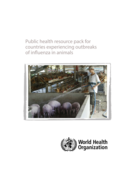
This resource pack was developed for the country offices of the World Health Organization and national Public Health institutions, as an overview of the key information needed for advising their Member States in response to questions raised on human health due to influenza outbreaks or detections in...
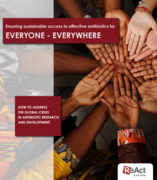
How to address the global crisis in antibiotic research and development.
The report includes a comprehensive summary and critical evaluation of recent initiatives to overcome the barriers to achieve sustainable access to antibiotics. As antibiotic resistance will continue to develop as long as we ...

Natural disasters often increase morbidity and mortality rates. Taking appropriate measures to maintain environmental health helps to reduce or eliminate the risks of preventable disease and death. Such measures contribute not only to the health of individuals in and near disaster-stricken areas, bu...

How should humanitarian organisations prepare and respond to COVID-19 in humanitarian settings in low- and middle-income countries?
This Rapid Learning Review outlines 14 actions, insights and ideas for humanitarian actors to consider in their COVID-19 responses. It summarises and synthesises the...

The WHO Toolkit for the care and support of people affected by complications associated with Zika virus has been developed to serve as a model guide, with the goal of enhancing country preparedness for Zika virus outbreaks. The toolkit is intended to provide a systems approach involving public heal...
Accessed: 07.11.2019
The EHSP in Botswana seeks to attain universal coverage of high-quality package of essential health services. The EHSP is an integrated collection of cost-effective interventions, promotive, preventive, curative, and rehabilitative, that address the main diseases, injuries and risk factors that affe...
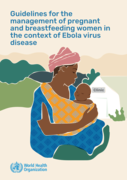
Guidelines for the management of pregnant and breastfeeding women in the context of Ebola virus disease
recommended
To save the lives of mothers and their babies, mitigate complications, and limit the spread of disease, it is critical that recommendations are made on the prevention, treatment, and surveillance of women who are exposed to EVD, acquire EVD during pregnancy or breastfeeding, or survive EVD with ongo...
The Global Antibiotic Resistance Partnership (GARP)-Mozambique team, in partnership with the Center for Disease Dynamics, Economics & Policy (CDDEP), has produced this report as part of a solid com-mitment to develop actionable policy proposals to tackle antibiotic resistance and improve appropriate...
This provisional Facilitator's Kit provides a complete framework for a 3-day training on Community Preparedness for Reproductive Health and Gender. The goal is to build community capacity to prepare and respond to risks and inequities faced by women and girls during emergencies.
