
Filter
3657
Filtered Results: 3657
Text search:
World
Health
Organization,
Health
Cluster
Featured
Recommendations
364
New Publications
1018
Language
Document type
No document type
1894
Studies & Reports
670
Guidelines
505
Manuals
216
Strategic & Response Plan
175
Situation Updates
68
Fact sheets
68
Training Material
36
Resource Platforms
11
Infographics
6
Brochures
3
Online Courses
3
Dashboards/Maps
2
Countries / Regions
Global
171
India
100
Kenya
95
Nepal
87
Syria
79
Sierra Leone
73
Nigeria
72
Myanmar / Burma
72
Uganda
70
Bangladesh
68
Ethiopia
68
Malawi
63
Africa
63
Congo, Democratic Republic of
61
South Africa
58
Liberia
58
South Sudan
49
Ukraine
47
Yemen
45
Tanzania
44
Ghana
42
Mozambique
42
Western and Central Europe
41
Rwanda
40
Zambia
40
Latin America and the Carribbean
39
Philippines
37
Zimbabwe
34
Haiti
32
Brazil
32
Russia
30
South–East Asia Region
26
West and Central Africa
24
Namibia
24
Cambodia
23
Indonesia
23
Pakistan
22
Senegal
21
East and Southern Africa
21
Lesotho
20
Burkina Faso
18
Afghanistan
18
Guinea
18
Somalia
18
Madagascar
18
Middle East and North Africa
16
Central African Republic
15
Cameroon
14
Asia
13
Eastern Europe and Central Asia
13
Eastern Europe
13
Sudan
13
Eswatini/ Swaziland
13
Venezuela
12
Mali
12
China
11
Jordan
11
Colombia
10
Thailand
10
Lebanon
10
Botswana
10
Western Pacific Region
9
Niger
8
Vietnam
7
Palestine
7
Laos
6
Burundi
6
Germany
6
Moldova
6
Sri Lanka
6
Angola
6
Iraq
6
Benin
5
Guinea-Bissau
5
Tajikistan
4
Albania
4
Peru
4
USA
4
Papua New Guinea
4
Libya
4
Turkey
3
Togo
3
Iran
3
Kyrgyzstan
3
Malaysia
3
Hungary
3
Paraguay
3
Southern Africa
3
Mexico
2
Serbia
2
Gambia
2
Chile
2
Fiji
2
Singapore
2
Morocco
2
Mauritania
2
Armenia
2
Croatia
2
Saudi Arabia
2
North America
2
Turkmenistan
2
Japan
2
Tunisia
2
Portugal
2
Azerbaijan
2
Belarus
2
Côte d’Ivoire / Ivory Coast
2
Romania
2
Georgia
2
Poland
2
Chad
2
Ecuador
2
North Macedonia
1
Timor Leste/ East Timor
1
Kazakhstan
1
Canada
1
Uzbekistan
1
Vanuatu
1
Mongolia
1
Qatar
1
Bulgaria
1
Italy
1
Gabon
1
Uruguay
1
Jamaica
1
Denmark
1
France
1
Mauritius
1
United Kingdom
1
Norway
1
Spain
1
Algeria
1
Bosnia and Herzegovina
1
Argentina
1
Djibouti
1
Egypt
1
Slovakia
1
Greece
1
Honduras
1
Bhutan
1
Guatemala
1
Authors & Publishers
Publication Years
Category
Countries
1431
Key Resources
312
Women & Child Health
219
Public Health
211
Clinical Guidelines
203
Capacity Building
43
Pharmacy & Technologies
27
Toolboxes
COVID-19
443
Mental Health
232
Conflict
189
HIV
187
Disability
130
Ebola & Marburg
130
Planetary Health
109
NTDs
102
Rapid Response
99
TB
99
Natural Hazards
82
AMR
76
NCDs
70
Caregiver
61
2.0 Rapid Response
60
Malaria
50
Refugee
49
Global Health Education
48
Zika
43
Cholera
41
Pharmacy
34
Health Financing Toolbox
27
Polio
23
Specific Hazards
22
Social Ethics
5
Typhoon
5
South Sudan
1
Midwifery Capacity Building Strategy for Northern Syria
2017-2021
Available in Arabic
Safe disposal of children’s feces is as essential as the safe disposal of adults’ feces. Th is brief provides an overview of the available data on child feces disposal in Burkina Faso and concludes with ideas to strengthen safe disposal practices, based on emerging good practice. Th e Joint Mon...
Orientação provisória 17 de março de 2020
Esta orientação rápida destina-se a profissionais de saúde pública e de prevenção e controle de infecção (PCI), gestores e profissionais de saúde, ao abordar questões relacionadas ao atendimento domiciliar de pacientes com suspeita de infecç...
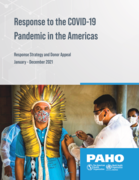
While much progress has been achieved over the past year, the Region of the Americas has stubbornly remained the epicenter of the COVID-19 pandemic. PAHO is launching its 2021 COVID-19 Response Strategy and Donor Appeal to continue supporting Latin American and Caribbean countries and territories i...
Uso racional de equipamentos de proteção individual para a doença causada pelo coronavírus 2019 (COVID-19)
recommended
Orientação provisória, 6 de abril de 2020
Este documento resume as recomendações da OMS para o uso racional de equipamentos de proteção individual (EPIs) em unidades de saúde e na assistência domiciliar, bem como no manuseio de cargas; avalia também a situação atual da cadeia de abastec...
Las enfermedades no transmisibles (ENT), entre las que se incluyen lasenfermedades cardiovasculares (ECV), el cáncer, las enfermedades respiratoriascrónicas (ERC) y la diabetes, son las principales causas de muerte y discapacidaden la Región de las Américas. En el 2021, las ENT ocasionaron 6 mil...
Esta tercera versión resumida de la Guía para el cuidado de pacientes adultos críticos con COVID-19 en las Américas se elaboró con el objetivo de facilitar la consulta de las recomendaciones para el manejo de pacientes adultos críticos con COVID-19 atendidos en las unidades de cuidados intensi...
Chronic Non Communicable Diseases. Case Management Desk Guide

Cholera is an acute gastrointestinal infection caused by the bacterium Vibrio Cholerae serogroup O1 or O139, and is often linked to unsafe drinking water, lack of proper sanitation and personal hygiene. It adversely affects mostly the poor and vulnerable populations in countries, which are already d...
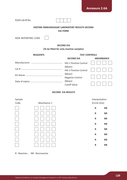
The National Guidelines for HIV-1 Viral Load Laboratory Testing support plans to scale up viral load (VL) testing to reach the 90-90-90 targets in India. This phased scale-up includes the setup of 70 additional VL testing laboratories nationally. These guidelines include laboratory design considerat...
Formation des agents de santé communautaire sur le choléra. Kreyol.
Le Manuel de l'animateur : contient toutes les informations nécessaires pour mener à bien la formation, y compris les listes de préparation et de matériel, les instructions étape par étape pour animer les sessions de format...
For humanitarian organisations to respond effectively to complex crises, they require access to up-to-date evidence-based guidance. The COVID-19 crisis has highlighted the importance of updating global guidance to context-specific and evolving needs in humanitarian settings. Our study aimed to under...

Bonchial asthma is the most common chronic respiratory disease in the world. In Kenya, it has been estimated that about 7.5% of the Kenyan population, nearly 4 million people, are currently living with asthma. Many cases tend to be underdiagnosed and undertreated which leads to high levels of morbid...

As our world changes, so too does the burden of disease. Globalisation, evolving trade and consumption patterns, and increased access to life-saving medical care are just some of the factors that have transformed the global health landscape.
