
Filter
8033
Filtered Results: 8033
Text search:
treatment
policy
Featured
Recommendations
648
New Publications
2107
Language
Document type
No document type
4582
Studies & Reports
1381
Guidelines
956
Manuals
413
Strategic & Response Plan
299
Fact sheets
148
Training Material
114
Situation Updates
81
Resource Platforms
19
Infographics
17
Brochures
15
Online Courses
6
App
1
Videos
1
Countries / Regions
Global
335
India
334
Kenya
251
South Africa
184
Western and Central Europe
171
Uganda
163
Ethiopia
162
Sierra Leone
160
Liberia
154
Nigeria
153
Nepal
151
Malawi
132
Myanmar / Burma
128
Zambia
124
Tanzania
118
Bangladesh
118
Africa
113
Latin America and the Carribbean
110
Ghana
107
Namibia
107
Rwanda
94
Ukraine
88
Syria
73
Eastern Europe
70
Zimbabwe
69
Lesotho
63
Philippines
56
Indonesia
56
Congo, Democratic Republic of
55
Asia
53
Mozambique
51
Cambodia
49
South–East Asia Region
49
South Sudan
48
Russia
46
Guinea
44
Botswana
43
Senegal
42
Haiti
36
Germany
33
East and Southern Africa
33
Eswatini/ Swaziland
32
Burkina Faso
31
Venezuela
29
West and Central Africa
28
Cameroon
27
Eastern Europe and Central Asia
26
Brazil
26
Yemen
26
Middle East and North Africa
25
Colombia
23
Afghanistan
23
Pakistan
23
Sudan
22
Lebanon
19
Benin
17
Jordan
17
Thailand
16
Central African Republic
16
Madagascar
16
Vietnam
15
Peru
14
China
13
Mali
13
Iraq
13
Tajikistan
12
Albania
12
Moldova
12
Paraguay
11
Sri Lanka
11
Western Pacific Region
10
Georgia
10
Somalia
10
Iran
9
Laos
9
Turkey
8
Burundi
8
USA
8
North America
8
Papua New Guinea
8
North Macedonia
7
Mexico
7
Chile
7
Romania
7
Greece
7
Palestine
7
Poland
7
Bhutan
7
Timor Leste/ East Timor
6
Kyrgyzstan
6
Armenia
6
United Kingdom
6
Southern Africa
6
Bolivia
6
Argentina
6
Libya
6
Togo
5
Hungary
5
Saudi Arabia
5
Côte d’Ivoire / Ivory Coast
5
Egypt
5
Angola
5
Ecuador
5
El Salvador
4
Gambia
4
Canada
4
Fiji
4
Estonia
4
Niger
4
Guinea-Bissau
4
Belarus
4
Serbia
3
Kazakhstan
3
Morocco
3
Italy
3
Turkmenistan
3
Jamaica
3
Japan
3
Mauritius
3
Portugal
3
Spain
3
Switzerland
2
Singapore
2
Uzbekistan
2
Malaysia
2
Mongolia
2
Qatar
2
Bulgaria
2
Dominican Republic
2
Croatia
2
Lithuania
2
Gabon
2
Belgium
2
Tunisia
2
Azerbaijan
2
Slovakia
2
Honduras
2
Guatemala
2
North Korea
1
Austria
1
Vanuatu
1
Mauritania
1
Ireland
1
Uruguay
1
Denmark
1
France
1
Maldives
1
Norway
1
Israel
1
Bosnia and Herzegovina
1
Latvia
1
Belize
1
Costa Rica
1
Panama
1
Nicaragua
1
Djibouti
1
Chad
1
Authors & Publishers
Publication Years
Category
Countries
3088
Clinical Guidelines
542
Public Health
412
Key Resources
403
Women & Child Health
401
Capacity Building
127
Pharmacy & Technologies
65
Annual Report MEDBOX
2
Toolboxes
HIV
803
Mental Health
686
TB
568
COVID-19
536
AMR
257
Disability
254
Caregiver
212
Conflict
198
Planetary Health
195
Ebola & Marburg
194
NTDs
175
Refugee
157
Pharmacy
156
NCDs
144
Global Health Education
120
Rapid Response
117
Malaria
106
Health Financing Toolbox
100
Natural Hazards
70
2.0 Rapid Response
67
Specific Hazards
48
Polio
37
Social Ethics
32
Cholera
31
Zika
31
Typhoon
4
South Sudan
1
The Kenyan Health Sector has been playing a critical role in
providing health care services in response to the population
needs in line with the Kenya Health Policy, 2014-2030’s goal
of attaining the highest possible health standards in a manner
responsive to the population needs.

The Mapping Antimicrobial Resistance and Antimicrobial Use Partnership (MAAP) project has conducted a multi-year, multi-country study that provides stark insights on the under-reported depth of the antimicrobial resistance (AMR) crisis across Africa and lays out urgent policy recommendations to addr...

The 2021 WHO health and climate change global survey report provides a valuable snapshot of the overall progress governments have made in addressing the health risks of climate change. The findings on key health and climate change indicators aim to empower policy makers to: make informed decisions o...
Background: Community Health Workers (CHWs) have a positive impact on the provision of community-based
primary health care through screening, treatment, referral, psychosocial support, and accompaniment. With a
broad scope of work, CHW programs must balance the breadth and depth of tasks to mainta...
A new publication - Waste Management during the COVID-19 Pandemic: from response to recovery - reviews current practices for managing waste from healthcare facilities, households and quarantine locations accommodating people with confirmed or suspected cases of COVID-19. Jointly produced by UNEP, th...

The National Strategy for Natural Disaster, Prevention, Response and Mitigation to 2020, which outlines Vietnam’s main disaster risk management objectives and the National Target Program (NTP) form the overarching policy framework for disaster risk management and climate change adaption activities...
he pandemic has produced an unprecedented economic and social crisis, and it could generate a food, humanitarian, and political crisis if urgent measures are not taken. The policy options for addressing the pandemic entail consolidating national plans and achieving intersectoral consensus. The respo...
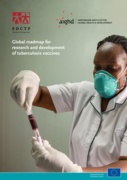
The roadmap describes the actions needed to
achieve the three development goals for TB
vaccines set by the WHO:
1. A safe, effective and affordable TB vaccine
for adolescents and adults.
2. An affordable TB vaccine for neonates and
infants with improved safety and efficacy.
3. A therapeutic v...
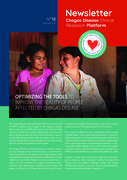
To support its R&D activities on Chagas disease, DNDi launched the Chagas Clinical Research Platform (CCRP). The platform brings together partners, experts, and stakeholders to provide support for evaluation and development of new treatments for Chagas disease. The patient-centred platform aims to f...
This guidance document sets out a methodology to identify and track financing to the WASH sector in a coherent and consistent manner across several countries. It is designed to help countries track financing to the WASH sector on a regular and comparable basis and analyse this information to support...
Latent Tuberculosis Infection : Updated and consolidated guidelines for programmatic management
recommended
The consolidated guidelines are expected to provide the basis and rationale for the development of national guidelines for LTBI management, adapted to the national and local epidemiology of TB, the availability of resources, the health infrastructure and other national and local determinants. The gu...
Regional Network for Equity in Health in east and southern Africa (EQUINET): Disussion Paper 113
This report synthesises the learning across the full programme of work. It presents the methods used, the context and policy motivations for developing EHBs; how they are being defined, costed, di...
This report synthesises the learning across the full programme of work. It presents the methods used, the context and policy motivations for developing EHBs; how they are being defined, costed, di...
Issue Brief: Neglected Tropical Diseases Part 2
recommended
In this subsequent part of the issue brief on the NTD Toolbox you will learn about general strategies, roadmaps, key
treatment guidelines, reports, and training material on Dengue & Chikungunya, Human African Trypanosomiasis and
Leprosy.
A practical tool to help health workers in the clinical and operational management of multidrug-resistant tuberculosis with special focus on the introduction, implementation and management of the nine-month treatment regimen.
Loss and damage is an urgent concern, driven by the increasingly harmful effects of climate change. Communities are experiencing new types and forms of climate impact, of higher frequency and intensity, which they are not equipped to handle. These impacts compel vulnerable communities to migrate to ...
Paying for performance (P4P) provides financial incentives for providers to increase the use and quality of care. P4P can affect health care by providing incentives for providers to put more effort into specific activities, and by increasing the amount of resources available to finance the delivery ...
New and updated information.
Adverse health effects of hot weather and heat-waves are largely preventable. Prevention requires a portfolio of actions at different levels:from health system preparedness, coordinated with meteorological early warning systems, to timely public ...
BMC Medicine201210:107
https://doi.org/10.1186/1741-7015-10-107© Katchanov and Birbeck; licensee BioMed Central Ltd. 2012
Received: 10 July 2012Accepted: 24 September 2012Published: 24 September 2012
In 2011, the World Health Organization’s (WHO) mental health Gap Action Programme (mhGAP) r...

Diabetes mellitus is one of the most common noncommunicable diseases worldwide. In the Eastern Mediterranean Region there has been a rapid increase in the incidence of diabetes mellitus and it is now the fourth leading cause of death. The increasing prevalence of diabetes mellitus, the emergence of ...
This clinical management manual for Ebola Viral Disease in Liberia was developed after several ETUs were established in the country following the outbreak early this year. As the outbreak evolved, it became evident that different SOPs were being used by clinicians across these treatment facilities. ...
