
Filter
7468
Filtered Results: 7468
Text search:
health
indicators
Featured
Recommendations
561
New Publications
2116
Language
Document type
No document type
4281
Studies & Reports
1367
Guidelines
784
Manuals
380
Strategic & Response Plan
330
Fact sheets
117
Training Material
84
Situation Updates
57
Infographics
30
Resource Platforms
25
Brochures
6
Online Courses
5
Dashboards/Maps
2
Countries / Regions
Global
336
India
307
Kenya
242
Ethiopia
193
Nepal
186
Latin America and the Carribbean
169
Uganda
164
Sierra Leone
144
Malawi
140
Nigeria
135
Tanzania
135
Rwanda
129
South Africa
126
Liberia
126
Zambia
120
Myanmar / Burma
116
Western and Central Europe
111
Bangladesh
108
Ghana
101
Indonesia
100
Namibia
97
Africa
96
Syria
75
Congo, Democratic Republic of
75
Ukraine
66
Philippines
66
Lesotho
61
Zimbabwe
61
Cambodia
55
Senegal
54
Eastern Europe
50
South–East Asia Region
47
Burkina Faso
45
Mozambique
45
Asia
45
South Sudan
43
Brazil
40
Paraguay
37
Guinea
36
Colombia
35
Venezuela
34
Cameroon
33
Botswana
33
East and Southern Africa
31
Pakistan
31
Haiti
30
West and Central Africa
29
Eswatini/ Swaziland
27
Russia
26
Yemen
26
Middle East and North Africa
22
Benin
21
Peru
20
Eastern Europe and Central Asia
20
Afghanistan
19
Lebanon
18
Thailand
17
Sudan
17
Central African Republic
17
Jordan
16
Germany
16
Argentina
16
Somalia
14
Chile
13
Vietnam
13
China
12
Moldova
12
Mali
12
Albania
10
Western Pacific Region
10
Bolivia
10
Georgia
10
Angola
10
Iraq
10
Madagascar
10
Tajikistan
9
Laos
9
Côte d’Ivoire / Ivory Coast
9
Sri Lanka
9
Togo
8
North America
8
El Salvador
7
Egypt
7
Ecuador
7
North Macedonia
6
Timor Leste/ East Timor
6
Mexico
6
Turkey
6
Iran
6
Niger
6
Burundi
6
USA
6
Chad
6
Kyrgyzstan
5
Papua New Guinea
5
Palestine
5
Honduras
5
Gambia
4
Armenia
4
Hungary
4
Saudi Arabia
4
Turkmenistan
4
Southern Africa
4
Poland
4
Libya
4
Bhutan
4
Guatemala
4
Serbia
3
Kazakhstan
3
Singapore
3
Morocco
3
Qatar
3
Dominican Republic
3
Guinea-Bissau
3
Jamaica
3
Portugal
3
Spain
3
Romania
3
Greece
3
Estonia
2
Mongolia
2
Bulgaria
2
Italy
2
Japan
2
France
2
Mauritius
2
Tunisia
2
United Kingdom
2
Azerbaijan
2
Belarus
2
Nicaragua
2
Slovakia
2
North Korea
1
Switzerland
1
Canada
1
Fiji
1
Congo-Brazzaville
1
Malaysia
1
Vanuatu
1
Mauritania
1
Croatia
1
Lithuania
1
Ireland
1
Gabon
1
Uruguay
1
Belgium
1
Maldives
1
Norway
1
Israel
1
Bosnia and Herzegovina
1
Latvia
1
Belize
1
Costa Rica
1
Panama
1
Djibouti
1
Authors & Publishers
Publication Years
Category
Countries
3316
Key Resources
498
Clinical Guidelines
424
Public Health
385
Women & Child Health
365
Capacity Building
115
Pharmacy & Technologies
70
Toolboxes
HIV
525
Mental Health
429
TB
398
COVID-19
392
Planetary Health
325
Disability
273
AMR
217
Conflict
189
Caregiver
184
NTDs
179
Global Health Education
151
Ebola & Marburg
125
Rapid Response
118
NCDs
117
Malaria
109
Health Financing Toolbox
100
Pharmacy
93
Refugee
92
2.0 Rapid Response
87
Natural Hazards
75
Polio
50
Cholera
45
Zika
31
Specific Hazards
27
Social Ethics
18
Typhoon
5
South Sudan
2

Researchers focused on mental health of conflict-affected children are increasingly interested in the concept of resilience. Knowledge on resilience may assist in developing interventions aimed at improving positive outcomes or reducing negative outcomes, termed promotive or protective interventions...
As a public good, antimicrobial medicines require rational use if their effectiveness is to be preserved. However, up to 50% of antibiotic use is inappropriate, adding considerable costs to patient care, and increasing morbidity and mortality. In addition, there is compelling evidence that antimicro...
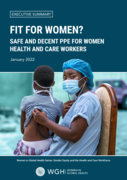
One of the many gender inequities in the health and care workforce that COVID-19 has exposed is around the fit and design of Personal Protective Equipment (PPE). The rapid onset and scale of COVID-19 led to shortages of PPE in most countries, causing preventable infection and mortality among healthc...

Lessons learned from recent public health events such as the COVID-19 pandemic, Ebola virus disease, Zika virus disease outbreaks, and other public health threats, including earthquakes and floods, have highlighted the need for countries to continuously develop, strengthen, and maintain capacities r...
The standards for the care of small and sick newborns in health facilities define, standardize and mainstream inpatient care of small and sick newborns, building on essential newborn care and ensuring consistency with the WHO quality of care framework. The standards will guide countries in caring fo...
As part of the Mental Health Gap Action Programme, WHO has developed training manuals (Training of trainers and supervisors training manual and Training of health-care providers training manual) to support implementation of the mhGAP Intervention Guide for mental, neurological and substance use (MNS...
The EHSP in Botswana seeks to attain universal coverage of high-quality package of essential health services. The EHSP is an integrated collection of cost-effective interventions, promotive, preventive, curative, and rehabilitative, that address the main diseases, injuries and risk factors that affe...
The State of the World's Midwifery
This SOP guides AFRO management, incident responders, and the Support for Health Operations Centre (SHOC) on managing public health events, detailing processes from event detection and risk assessment to resource mobilization and communication between country offices, the Regional Office, and WHO He...

As countries commit to achieving universal health coverage, it is imperative to ensure that the design and delivery of palliative care services place attention on quality of care, with action needed across all domains of quality health services: effectiveness, safety, people-centredness, timeliness,...
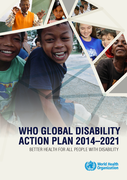
he WHO global disability action plan 2014-2021 is a significant step towards achieving health and well-being and human rights for people with disabilities. The action plan was endorsed by WHO Member States in 2014 and calls for them to remove barriers and improve access to health services and progra...
The World Health Organization Disability Assessment Schedule (WHODAS 2.0) is a generic assessment instrument developed by WHO to provide a standardized method for measuring health and disability across cultures. It was developed from a comprehensive set of International Classification of Functioning...
Mental Health Policy and Service Guidance Package
Languages: Arabic, English, French, Chinese, Russian
Despite the continuing war in Ukraine, the Government is preparing for the country’s recovery and reconstruction. Given the magnitude of the attacks on the health infrastructure and consequent disruption to health system functioning, reconstruction of the health system is integral to the countryâ€...

This toolkit was developed to provide detailed information and resources to support implementation of the WHO intrapartum and immediate postnatal care recommendations at the health-care facility level. The careful design of this toolkit is based on a rigorous evidence-based approach that includes im...
