
Filter
8035
Filtered Results: 8035
Text search:
treatment
policy
Featured
Recommendations
648
New Publications
2107
Language
Document type
No document type
4576
Studies & Reports
1381
Guidelines
963
Manuals
413
Strategic & Response Plan
299
Fact sheets
148
Training Material
115
Situation Updates
81
Resource Platforms
19
Infographics
17
Brochures
15
Online Courses
6
App
1
Videos
1
Countries / Regions
Global
335
India
334
Kenya
251
South Africa
184
Western and Central Europe
171
Uganda
163
Ethiopia
162
Sierra Leone
160
Liberia
154
Nigeria
153
Nepal
151
Malawi
132
Myanmar / Burma
128
Zambia
124
Tanzania
118
Bangladesh
118
Africa
113
Latin America and the Carribbean
110
Ghana
107
Namibia
107
Rwanda
94
Ukraine
88
Syria
73
Eastern Europe
70
Zimbabwe
69
Lesotho
63
Philippines
56
Indonesia
56
Congo, Democratic Republic of
55
Asia
53
Mozambique
51
Cambodia
49
South–East Asia Region
49
South Sudan
48
Russia
46
Guinea
44
Botswana
43
Senegal
42
Haiti
36
Germany
33
East and Southern Africa
33
Eswatini/ Swaziland
32
Burkina Faso
31
Venezuela
29
West and Central Africa
28
Cameroon
27
Eastern Europe and Central Asia
26
Brazil
26
Yemen
26
Middle East and North Africa
25
Colombia
23
Afghanistan
23
Pakistan
23
Sudan
22
Lebanon
19
Benin
17
Jordan
17
Thailand
16
Central African Republic
16
Madagascar
16
Vietnam
15
Peru
14
China
13
Mali
13
Iraq
13
Tajikistan
12
Albania
12
Moldova
12
Paraguay
11
Sri Lanka
11
Western Pacific Region
10
Georgia
10
Somalia
10
Iran
9
Laos
9
Turkey
8
Burundi
8
USA
8
North America
8
Papua New Guinea
8
North Macedonia
7
Mexico
7
Chile
7
Romania
7
Greece
7
Palestine
7
Poland
7
Bhutan
7
Timor Leste/ East Timor
6
Kyrgyzstan
6
Armenia
6
United Kingdom
6
Southern Africa
6
Bolivia
6
Argentina
6
Libya
6
Togo
5
Hungary
5
Saudi Arabia
5
Côte d’Ivoire / Ivory Coast
5
Egypt
5
Angola
5
Ecuador
5
El Salvador
4
Gambia
4
Canada
4
Fiji
4
Estonia
4
Niger
4
Guinea-Bissau
4
Belarus
4
Serbia
3
Kazakhstan
3
Morocco
3
Italy
3
Turkmenistan
3
Jamaica
3
Japan
3
Mauritius
3
Portugal
3
Spain
3
Switzerland
2
Singapore
2
Uzbekistan
2
Malaysia
2
Mongolia
2
Qatar
2
Bulgaria
2
Dominican Republic
2
Croatia
2
Lithuania
2
Gabon
2
Belgium
2
Tunisia
2
Azerbaijan
2
Slovakia
2
Honduras
2
Guatemala
2
North Korea
1
Austria
1
Vanuatu
1
Mauritania
1
Ireland
1
Uruguay
1
Denmark
1
France
1
Maldives
1
Norway
1
Israel
1
Bosnia and Herzegovina
1
Latvia
1
Belize
1
Costa Rica
1
Panama
1
Nicaragua
1
Djibouti
1
Chad
1
Authors & Publishers
Publication Years
Category
Countries
3089
Clinical Guidelines
540
Public Health
412
Key Resources
403
Women & Child Health
401
Capacity Building
126
Pharmacy & Technologies
65
Annual Report MEDBOX
2
Toolboxes
HIV
805
Mental Health
686
TB
568
COVID-19
536
AMR
257
Disability
254
Caregiver
212
Conflict
198
Planetary Health
195
Ebola & Marburg
194
NTDs
175
Refugee
157
Pharmacy
156
NCDs
144
Global Health Education
120
Rapid Response
117
Malaria
106
Health Financing Toolbox
100
Natural Hazards
70
2.0 Rapid Response
67
Specific Hazards
48
Polio
37
Social Ethics
32
Cholera
31
Zika
31
Typhoon
4
South Sudan
1
This report aims to estimate the economic cost of providing regular access to healthcare for migrants in an irregular situation, compared with the cost of providing treatment in emergency cases only. Two specific medical conditions – hypertension and prenatal care – were selected as examples, an...
The recommendation in this document thus supersedes the previous WHO recommendation for the prevention of PPH as published in the 2012 guideline, WHO recommendations for the prevention and treatment of postpartum haemorrhage.

Tuberculosis continues to represent a severe public health problem in the Region of the Americas, even more so in the case of indigenous peoples, whose TB incidence is much higher than that of the general population. To achieve tuberculosis control in these communities, it is necessary to respond t...
Burden of T. solium: Neurocysticercosis is a disease induced by T. solium larvae penetrating human tissues, especially the nervous system. Neurocysticercosis burdens economies, societies and individuals because of the impact of epilepsy on wages, health costs and social stigmatization of sufferers. ...
The WHO Regional Office for Europe has established the Childhood Obesity Surveillance Initiative in more than half the countries in the Region for routine monitoring of the policy response to the emerging obesity epidemic. The aim of the Initiative is to measure trends in overweight and obesity in c...
The Transformation Agenda (TA) ushered in an ambitious reform process intended to transform the World Health Organization (WHO) into an organization that is proactive, results-driven, accountable and which meets stakeholder expectations, towards transforming and improving public health services in t...
Cascading risks from rising prices and supply disruptions, April 2022.
Global resource markets are still reeling from the impacts of Russia’s invasion of Ukraine; the two countries are major suppliers of energy, food and fertilizers. Supply disruption and the sudden imposition, in response to the...
This report considers how to integrate health into urban planning, investments, and policy decisions, so as to support the implementation and achievement of the goals and objectives of the New Urban Agenda.

The guidance document provides a set of indicators for assessing the status of development, implementation and monitoring of key policy interventions for prevention and control of NCDs and injuries. It promotes city-level evidence based decision-making processes to identify gaps and take appropriate...
The WHO Model List of Essential Medicines and Model List of Essential Medicines for Children are updated and published every two years, intended as a guide for countries or regional authorities to adopt or adapt in accordance with local priorities and treatment guidelines for the development and upd...
Interim guidance, 26 October 2021
This interim guidance has been developed on the basis of the advice issued by the Strategic Advisory Group of Experts (SAGE) on Immunization at its meeting on 5 October 2021.
SAGE said moderately and severely immunocompromised persons should be offered an addition...

Health is routinely considered in strategic environmental assessment (SEA) and environmental impact assessment (EIA), following requirements of European Union directives and the Protocol on Strategic Environmental Assessment to the Convention on Environmental Impact Assessment in a Trans...

This handbook is intended primarily for front-line health care providers who are likely to see children (among other clients) in their day-to-day practice. These may include general practitioners, nurses, midwives, gynaecologists,
paediatricians, mental health professionals, first responders and st...

Ramped-up cancer services could save 7 million lives over the next decade—and addressing huge service gaps between rich and poor countries is key to success, according to this report.
In 2019, over 90% of high-income countries reported that comprehensive cancer treatment services were available...

The core of the strategy is the goal for all patients to have better overall care, so that the numbers of deaths and cases of disability are reduced by 50% before 2030. For this to be achieved, four strategic aims will be pursued.
Empower and engage communities,
Ensure safe, effective trea...

WHO‘s Global Strategy to Accelerate the Elimination of Cervical Cancer, launched today, outlines three key steps: vaccination, screening and treatment. Successful implementation of all three could reduce more than 40% of new cases of the disease and 5 million related deaths by 2050.
In this report, potential reasons for this apparent
contradiction between cherished human values
and observed social actions are explored with a
view to better formulating concrete steps that
governments and other stakeholders can take to
reshape social attitudes and public policy.
Essential Medicines are those that satisfy the priority health care needs of the population. They are selected with due regard to public health relevance, evidence on efficacy, safety and comparative cost-effectiveness. This edition of the Essential Medicines List (EML) 2017 for Ghana has been deriv...
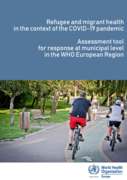
This assessment tool is to support municipalities and local authorities in identifying the risks and vulnerabilities that refugees and migrants face and to identify gaps where possible methods to minimize the impact of the pandemic exist so that they can be prioritized within local policy processes.
