
Filter
2662
Filtered Results: 2662
Text search:
humanitarian
policy
Featured
Recommendations
249
New Publications
741
Language
Document type
No document type
1345
Studies & Reports
563
Guidelines
292
Manuals
173
Strategic & Response Plan
148
Fact sheets
49
Situation Updates
42
Training Material
33
Resource Platforms
8
Infographics
3
Online Courses
3
Brochures
2
App
1
Countries / Regions
Global
180
Myanmar / Burma
98
Syria
97
Ukraine
71
Liberia
66
Sierra Leone
57
Congo, Democratic Republic of
55
Kenya
51
Venezuela
51
South Sudan
50
Western and Central Europe
45
Nepal
40
Bangladesh
39
Uganda
38
Latin America and the Carribbean
35
Guinea
33
Haiti
33
India
33
Nigeria
32
Africa
30
Yemen
30
Ethiopia
28
Indonesia
23
Central African Republic
22
Colombia
20
Malawi
19
Mozambique
19
Lebanon
19
Afghanistan
17
Rwanda
16
Philippines
16
Germany
16
West and Central Africa
16
East and Southern Africa
15
Sudan
15
South–East Asia Region
14
Brazil
14
Jordan
13
Senegal
12
Burkina Faso
12
Middle East and North Africa
12
Eastern Europe
12
Zambia
12
Somalia
12
Lesotho
10
Zimbabwe
10
Asia
10
Namibia
10
Eastern Europe and Central Asia
9
South Africa
9
Vietnam
9
Iraq
9
Pakistan
9
Thailand
8
Turkey
8
Ghana
8
Peru
8
Moldova
8
Russia
8
Madagascar
8
Chile
7
Laos
7
Cambodia
7
Western Pacific Region
7
Côte d’Ivoire / Ivory Coast
7
Greece
7
Mali
7
China
6
Cameroon
6
Burundi
6
Palestine
6
Sri Lanka
5
Libya
5
Tanzania
4
Romania
4
Poland
4
Botswana
4
Ecuador
4
Eswatini/ Swaziland
4
Mexico
3
Iran
3
Niger
3
Guinea-Bissau
3
Croatia
3
Hungary
3
Bolivia
3
Papua New Guinea
3
Angola
3
Tajikistan
2
El Salvador
2
Gambia
2
Togo
2
Canada
2
Singapore
2
Malaysia
2
Bulgaria
2
Italy
2
Dominican Republic
2
Paraguay
2
North America
2
Japan
2
Southern Africa
2
Argentina
2
Egypt
2
Timor Leste/ East Timor
1
Serbia
1
Benin
1
Albania
1
Fiji
1
Kyrgyzstan
1
Vanuatu
1
Mongolia
1
Armenia
1
Ireland
1
Saudi Arabia
1
Turkmenistan
1
Mauritius
1
Tunisia
1
Portugal
1
Spain
1
Azerbaijan
1
Belarus
1
Israel
1
Bosnia and Herzegovina
1
Slovakia
1
Honduras
1
Chad
1
Bhutan
1
Guatemala
1
Authors & Publishers
Publication Years
Category
Countries
782
Key Resources
404
Women & Child Health
196
Public Health
130
Clinical Guidelines
98
Capacity Building
39
Pharmacy & Technologies
5
Annual Report MEDBOX
2
Toolboxes
COVID-19
348
Conflict
268
Mental Health
204
Refugee
161
Disability
146
HIV
116
Ebola & Marburg
109
Natural Hazards
99
Planetary Health
96
Health Financing Toolbox
65
Rapid Response
56
Global Health Education
50
2.0 Rapid Response
42
Caregiver
38
TB
36
Specific Hazards
26
NTDs
23
Malaria
22
Polio
18
Cholera
16
NCDs
15
Pharmacy
12
AMR
7
Zika
6
Typhoon
6
Social Ethics
5
South Sudan
1
Observatory report by Médecins du Monde/Doctors of the World Germany:“Deprived of the right to health. Sick and without medical care in Germany” gives a rare insight into the situation of those who have no or only limited access to the German health system.
Временные рекомендации27 мая 2021 г.
In 2017, the World Bank and partners created the Global Investment Framework for Nutrition as a roadmap towards achieving the World Health Assembly (WHA) nutrition targets by 2025. The framework estimates that the world needs to mobilize an annual additional investment of $7 billion per year to scal...

The Central African Republic is at a major turning point in its history. The country
is just emerging from a very violent conflict, during which thousands of human lives were lost and one-third of the population was displaced. After
a three-year transition, and with the support of the internationa...
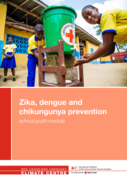
In the battle against diseases like Zika and dengue, knowledge is power. Climate change is shifting the
distribution of mosquitoes and to new areas. Empowering communities is essential in reaching and pro-
tecting the most vulnerable individuals and households. Vector control programmes, community...
Unaccompanied and separated children leave their countries of origin for a variety of reasons. They may
be fleeing from persecution, armed conflict, exploitation or poverty. They may have been sent by members
of their family or decided to leave on their own – be it to ensure their survival, or t...
The 2014–2015 Ebola epidemic in western Africa was the longest and most deadly Ebola epidemic in history, resulting in 28,616 cases and 11,310 deaths in Guinea, Liberia, and Sierra Leone. The Ebola virus has been known since 1976, when two separate outbreaks were identified in the Democratic Repub...
This course describes the health effects of war, weapons and strategies of violent conflict. Beginning with weapons of mass destruction it then moves on to other weapons and strategies of war such as the use of landmines and mass rape. The course concludes with a number of lessons which give an hist...
This guidance note aims to provide practical support to service providers operating Women and Girls Safe Spaces (WGSS) on how to adapt programming in the context of the COVID-19 pandemic.
Effective infection prevention and control (IPC) is the cornerstone of every health system. As of 2023, 17 Member States have a functioning IPC programme; 19 countries have developed national IPC guidelines; and 13 countries have adopted multimodel intervention strategies to improve th
This draft Roadmap for the Global Health for Peace Initiative has been developed in response to decision WHA75(24) of the 75th World Health Assembly (2022), which requested that WHO develop, in full consultation with Member States and Observers, and in full collaboration with other organizations of ...
Evaluation of Norwegian support to promote the rights of persons with disabilities, Uganda country study – Summary
The handbook is the first comprehensive collection of practical tips for journalists on how to report on GBV in the context of Syria crisis, building upon internationally recognised ethical principles. It gives an overview of techniques to guarantee the safety, confidentiality and dignity of survivo...
The pharmaceutical sector of any nation is responsible for providing society with quality medicines and other pharmaceutical services. According to the World Health Organization (WHO), Pharmaceuticals may constitute as much as 40% of the national health budget in developing countries, yet portions o...
