
Filter
8028
Filtered Results: 8028
Text search:
treatment
policy
Featured
Recommendations
645
New Publications
2104
Language
Document type
No document type
4582
Studies & Reports
1379
Guidelines
955
Manuals
413
Strategic & Response Plan
298
Fact sheets
148
Training Material
113
Situation Updates
81
Resource Platforms
19
Infographics
17
Brochures
15
Online Courses
6
App
1
Videos
1
Countries / Regions
Global
335
India
334
Kenya
251
South Africa
184
Western and Central Europe
171
Uganda
163
Ethiopia
162
Sierra Leone
160
Liberia
154
Nigeria
153
Nepal
151
Malawi
132
Myanmar / Burma
128
Zambia
124
Tanzania
118
Bangladesh
118
Africa
113
Latin America and the Carribbean
110
Ghana
107
Namibia
107
Rwanda
94
Ukraine
88
Syria
73
Eastern Europe
70
Zimbabwe
69
Lesotho
63
Philippines
56
Indonesia
56
Congo, Democratic Republic of
55
Asia
53
Mozambique
51
Cambodia
49
South–East Asia Region
49
South Sudan
48
Russia
46
Guinea
44
Botswana
43
Senegal
42
Haiti
36
Germany
33
East and Southern Africa
33
Eswatini/ Swaziland
32
Burkina Faso
31
Venezuela
29
West and Central Africa
28
Cameroon
27
Eastern Europe and Central Asia
26
Brazil
26
Yemen
26
Middle East and North Africa
25
Colombia
23
Afghanistan
23
Pakistan
23
Sudan
22
Lebanon
19
Benin
17
Jordan
17
Thailand
16
Central African Republic
16
Madagascar
16
Vietnam
15
Peru
14
China
13
Mali
13
Iraq
13
Tajikistan
12
Albania
12
Moldova
12
Paraguay
11
Sri Lanka
11
Western Pacific Region
10
Georgia
10
Somalia
10
Iran
9
Laos
9
Turkey
8
Burundi
8
USA
8
North America
8
Papua New Guinea
8
North Macedonia
7
Mexico
7
Chile
7
Romania
7
Greece
7
Palestine
7
Poland
7
Bhutan
7
Timor Leste/ East Timor
6
Kyrgyzstan
6
Armenia
6
United Kingdom
6
Southern Africa
6
Bolivia
6
Argentina
6
Libya
6
Togo
5
Hungary
5
Saudi Arabia
5
Côte d’Ivoire / Ivory Coast
5
Egypt
5
Angola
5
Ecuador
5
El Salvador
4
Gambia
4
Canada
4
Fiji
4
Estonia
4
Niger
4
Guinea-Bissau
4
Belarus
4
Serbia
3
Kazakhstan
3
Morocco
3
Italy
3
Turkmenistan
3
Jamaica
3
Japan
3
Mauritius
3
Portugal
3
Spain
3
Switzerland
2
Singapore
2
Uzbekistan
2
Malaysia
2
Mongolia
2
Qatar
2
Bulgaria
2
Dominican Republic
2
Croatia
2
Lithuania
2
Gabon
2
Belgium
2
Tunisia
2
Azerbaijan
2
Slovakia
2
Honduras
2
Guatemala
2
North Korea
1
Austria
1
Vanuatu
1
Mauritania
1
Ireland
1
Uruguay
1
Denmark
1
France
1
Maldives
1
Norway
1
Israel
1
Bosnia and Herzegovina
1
Latvia
1
Belize
1
Costa Rica
1
Panama
1
Nicaragua
1
Djibouti
1
Chad
1
Authors & Publishers
Publication Years
Category
Countries
3088
Clinical Guidelines
542
Public Health
412
Key Resources
403
Women & Child Health
401
Capacity Building
127
Pharmacy & Technologies
65
Annual Report MEDBOX
2
Toolboxes
HIV
800
Mental Health
686
TB
568
COVID-19
536
AMR
257
Disability
254
Caregiver
212
Conflict
198
Planetary Health
195
Ebola & Marburg
194
NTDs
175
Refugee
157
Pharmacy
156
NCDs
144
Global Health Education
120
Rapid Response
117
Malaria
106
Health Financing Toolbox
99
Natural Hazards
70
2.0 Rapid Response
67
Specific Hazards
48
Polio
37
Social Ethics
32
Cholera
31
Zika
31
Typhoon
4
South Sudan
1
The recommendations in this guideline are intended to inform the development of relevant national- and local-level health policies and clinical protocols. Therefore, the target audience includes national and local public health policy-makers, implementers and managers of maternal and child health pr...
The guideline on Drug misuse: opioid detoxification, commissioned by NICE and developed by the National Collaborating Centre for Mental Health, sets out clear, evidence-based recommendations for healthcare staff on how to work with people who misuse opioids to significantly improve their treatment a...
This Guidance Document provides practical assistance to Country Offices scaling up programmes to manage SAM in young children. It outlines a step-by-step process through which countries can analyse their current situation, identify barriers and bottlenecks through the MoRES approach, and plan action...

This document adopts a health determinants framework for examining the evidence related to women’s poor mental health. From this perspective, public policy including economic policy, socio-cultural and environmental factors, community and social support, stressors and life events, personal behavio...

Technical Note on Antimicrobial Resistance
This document reflects UNICEF’s response to the growing global threat of AMR to child survival, growth and development. It identifies UNICEF’s AMR-specific and AMR-sensitive actions in reducing infections, promoting access to and optimal use of antimic...
Antimicrobials have been a critical public health tool since the discovery of penicillin in 1928, saving the lives of millions of people around the world. Today, however, the emergence of drug resistance is reversing the miracles of the past eighty years, with drug choices for the treatment of many ...
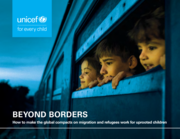
Beyond borders. How to make the global compacts on migration and refugees work for uprooted children
The report presents successful case studies from around the world, including the implementation of minimum protection standards for refugee children in Germany, cross border child protection systems in West Africa, and finding alternatives to the detention of migrant children in Zambia. Other countr...
This curricula guide builds on several existing products of WHO and partners, aimed at supporting countries in their effort to address the first objective of the GAP-AMR (to improve awareness and understanding of AMR). It is targeted specifically at health educators and policy planners, and applies ...
WHO Recommendations 2018 Update
The primary audience for these recommendations includes health professionals who are responsible for developing national and local health care guidelines and protocols (particularly those related to PPH prevention and treatment) and those involved in the provision of...
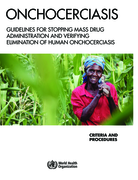
Following the publication of Guidelines on certification of elimination of human onchocerciasis in 2001 by the World Health Organization (WHO), these are the first evidence-based guidelines developed by NTD Department according to the international standards. They provide a set of recommendations th...
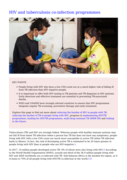
People living with HIV who have a low CD4 count are at a much higher risk of falling ill from TB infection than HIV negative people.
It is important to offer both HIV testing to TB patients and TB diagnosis in HIV patients. Early detection and effective treatment are essential to preventing TB...

The objective of Critical Considerations and Actions for Achieving Universal Access to Sexual and Reproductive Health in the Context of Universal Health Coverage through a Primary Health Care Approach is to provide guidance to WHO Member States for ensuring progress towards universal access to compr...
The Health Systems in Transition (HiT) series consists of country-based reviews that provide a detailed description of a health system and of reform and policy initiatives in progress or under development in a specific country.
This guide provides practical, step-by-step guidance on how to organize, implement, and monitor community-based care for DR TB. It is equally useful for program planning or supervision. The target audience for this guide is TB Program Managers, governments, policy makers, nongovernmental organizatio...
Global actions to reduce antimicrobial resistance (AMR) include optimising the use of antimicrobial medicines in human and animal health. In countries with weak healthcare regulation, this requires a greater understanding of the drivers of antibiotic use from the perspective of providers and consume...

The Mapping Antimicrobial Resistance and Antimicrobial Use Partnership (MAAP) project has conducted a multi-year, multi-country study that provides stark insights on the under-reported depth of the antimicrobial resistance (AMR) crisis across Africa and lays out urgent policy recommendations to addr...
These guidelines are applicable to all biomedical, social and behavioural science research for health conducted in India involving human participants, their biological material and data.
The purpose of such research should be: i. directed towards enhancing knowledge about the human condition while ...
Governments have dedicated a pivotal role to the private sector in the implementation and financing of the 2030 Agenda and the SDGs. This has pushed a turn towards the private sector, the promotion of multi-stakeholder partnerships between public and private actors. However, far too often there is a...
