
Filter
6810
Filtered Results: 6810
Text search:
Centers
for
Disease
Control
and
Prevention
,
WHO
Featured
Recommendations
713
New Publications
1731
Language
Document type
No document type
3550
Studies & Reports
1122
Guidelines
1050
Manuals
390
Strategic & Response Plan
299
Fact sheets
170
Training Material
100
Situation Updates
68
Resource Platforms
21
Infographics
20
Brochures
10
Online Courses
5
App
3
Dashboards/Maps
2
Countries / Regions
India
317
Global
295
Sierra Leone
179
Kenya
178
Liberia
166
Ethiopia
151
Nigeria
139
Western and Central Europe
139
Africa
136
Uganda
122
Latin America and the Carribbean
106
South Africa
103
Nepal
98
Rwanda
94
Malawi
93
Zambia
91
Tanzania
90
Congo, Democratic Republic of
75
Bangladesh
73
Namibia
72
Ukraine
66
Syria
66
Ghana
65
West and Central Africa
64
Myanmar / Burma
62
Philippines
61
Guinea
60
Middle East and North Africa
56
East and Southern Africa
56
Eastern Europe
55
Mozambique
54
Senegal
49
Russia
49
South Sudan
48
Germany
46
Zimbabwe
44
South–East Asia Region
44
Haiti
43
Asia
42
Cambodia
38
Lesotho
36
Brazil
36
Yemen
32
Burkina Faso
31
Indonesia
29
Eastern Europe and Central Asia
25
Botswana
23
Colombia
22
Madagascar
22
Cameroon
21
Mali
20
Venezuela
19
Eswatini/ Swaziland
18
USA
17
Pakistan
17
Thailand
15
Afghanistan
15
Côte d’Ivoire / Ivory Coast
15
Somalia
15
Vietnam
14
Sudan
14
Angola
14
Western Pacific Region
13
Central African Republic
13
Albania
12
Tajikistan
11
Moldova
11
Benin
10
Togo
10
China
10
Laos
10
Guinea-Bissau
10
Chile
9
Niger
9
Peru
9
Jordan
9
North America
9
Argentina
9
Lebanon
9
Burundi
8
Georgia
8
Chad
8
Ecuador
8
North Macedonia
7
Saudi Arabia
7
Paraguay
7
Iraq
7
Timor Leste/ East Timor
6
Gambia
6
Armenia
6
Spain
6
Bolivia
6
Sri Lanka
6
Palestine
6
Turkey
5
Papua New Guinea
5
Romania
5
Poland
5
El Salvador
4
Kazakhstan
4
Iran
4
Hungary
4
Japan
4
France
4
Egypt
4
Honduras
4
Libya
4
Mexico
3
Canada
3
Gabon
3
Turkmenistan
3
Tunisia
3
United Kingdom
3
Belarus
3
Southern Africa
3
Bhutan
3
Estonia
2
Kyrgyzstan
2
Congo-Brazzaville
2
Uzbekistan
2
Malaysia
2
Morocco
2
Qatar
2
Bulgaria
2
Mauritania
2
Dominican Republic
2
Jamaica
2
Belgium
2
Mauritius
2
Portugal
2
Slovakia
2
Greece
2
North Korea
1
Switzerland
1
Serbia
1
Australia
1
Singapore
1
Austria
1
Italy
1
Cape Verde
1
Lithuania
1
Ireland
1
Uruguay
1
Maldives
1
Morocco
1
Israel
1
Belize
1
Costa Rica
1
Panama
1
Nicaragua
1
Djibouti
1
Guatemala
1
Authors & Publishers
Publication Years
Category
Countries
2538
Clinical Guidelines
561
Public Health
395
Key Resources
348
Women & Child Health
249
Capacity Building
100
Pharmacy & Technologies
84
Annual Report MEDBOX
2
Toolboxes
COVID-19
821
HIV
557
TB
463
Mental Health
383
Ebola & Marburg
337
AMR
236
NTDs
235
Rapid Response
177
Planetary Health
170
NCDs
160
Caregiver
156
Conflict
132
Refugee
114
Malaria
102
Pharmacy
95
Disability
94
2.0 Rapid Response
94
Zika
93
Global Health Education
92
Cholera
82
Health Financing Toolbox
66
Natural Hazards
63
Polio
43
Specific Hazards
40
Social Ethics
10
Typhoon
3
South Sudan
2

Review of International, Regional and National Policies and Legal Frameworks that Promote Migrants and Mobile Populations' Access to Health and Malaria Services in the Greater Mekong Subregion (Cambodia, Lao People's Democratic Republic, Myanmar, Thailand and Viet Nam)
Migrants and mobile popul...
Migrants and mobile popul...

The most frequent health problems of newly arrived refugees and migrants include accidental injuries, hypothermia, burns, gastrointestinal illnesses, cardiovascular events, pregnancy- and delivery-related complications, diabetes and hypertension. Female refugees and migrants frequently face specific...
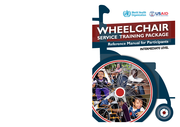
Following the release of the Wheelchair Service Training Package – Basic level (WSTP-B), WHO in partnership with United States Agency for International Development (USAID) has developed the Wheelchair Service Training Package – Intermediate Level (WSTP-I). WSTP-I is the second part of the WHO w...
Orientations provisoires, 2 février 2021
e document est une mise à jour des orientations provisoires de l’Organisation mondiale de la Santé (OMS) intitulées Coronavirus disease (COVID-19) outbreak: rights, roles and responsibilities of health workers, including key considerations...
This strategy defines the World Health Organization (WHO) vision and framework for supporting Member States to accelerate the development, implementation and monitoring of their National Action Plan for Health Security (NAPHS) from 2022 to 2026. The National Action Plan for Health Security (NAPHS) ...

The Malaria Ministerial Conference, co-hosted by WHO and the Government of Cameroon on 6 March 2024, brought together more than 400 stakeholders, including Ministers of Health and senior representatives from the African countries hardest hit by malaria, global health leaders, scientists, civil socie...
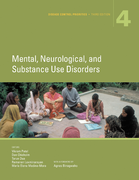
Disease Control Priorities, 3rdEdition: Volume 4.
Mental, neurological, and substance use disorders are common, highly disabling, and associated with significant premature mortality. The impact of these disorders on the social and economic well-beingof individuals, families, and societies is large...
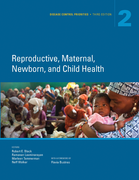
Disease Control Priorities –3rdEdition, Volume 2.
This book focuses on maternal conditions, childhood illness, and malnutrition. Specifically, the chapters address acute illness and undernutrition in children, principally under age 5. It also covers maternal mortality, morbidity, stillbirth, and ...

Organizing and Delivering High Quality Care for Chronic Noncommunicable Diseases in the Americas

Guidelines on lenacapavir for HIV prevention and testing strategies for long-acting injectable pre-exposure prophylaxis. Web Annex B

Access to safe, effective and quality-assured health products and technologies is crucial for achieving universal health coverage and primary health care goals. The continued growth of the aging population; increasing burden of noncommunicable diseases; growing burden of mental health issues; climat...

Updated with information on Ebola virus disease and Middle East respiratory syndrome coronavirus
A wide variety of health events ranging in severity may occur related to air transport, requiring different responses or, perhaps, no response at all. The target audience for this guidance document incl...
This document proposes surveillance objectives and describes global standards for a minimal basic respiratory disease surveillance system for the monitoring of influenza. The agreement on objectives allows for the prioritization of the many facets of influenza that might be measured and tracked. Use...
The WHO Framework Convention on Tobacco Control (WHO FCTC) is an evidence-based treaty that reaffirms the right of all people to the highest standard of health and was developed in response to the globalization of the tobacco epidemic. Member States of the WHO South-East Asia Region have made...

The checklist is based on efforts by various national and international institutions, including WHO, CDC and UN OCHA. It
identifies 10 key components and tasks for both countries and the international community. This tool establishes timelines
within which to complete tasks of 30, 60 and 90 days r...
The presentation titled "Malaria Capacity Building Initiative" outlines efforts led by the WHO and partner organizations to strengthen the skills and systems needed to fight malaria globally. It highlights the need for a coordinated, long-term strategy to build human resource capacity in malaria-end...

Childhood Respiratory Diseases & the Environment learning objectives
•To understand how the respiratory tract is affected by the environment
•To describe respiratory diseases linked to the environment
•To list one population-level intervention and one personal-level intervention for d...

Outbreak surveillance in humanitarian emergencies involves rapid detection, data collection, and analysis to identify disease threats, while response focuses on implementing timely control measures to prevent further spread.
Updated recommendations on treatment of adolescents and children with chronic HCV infection
recommended
The new treatment recommendations that extend the 2018 treat all recommendation for adults with chronic HCV infection to include adolescents and children down to 3 years, and to align the existing recommended pangenotypic direct-acting antiviral (DAA) regimens (SOF/DCV, SOF/VEL and G/P) for adults, ...
