
Filter
14644
Filtered Results: 14644
Text search:
accèss
Featured
Recommendations
1124
New Publications
3350
Language
Document type
No document type
7540
Studies & Reports
2620
Guidelines
1735
Manuals
707
Fact sheets
535
Strategic & Response Plan
513
Training Material
247
Resource Platforms
228
Situation Updates
192
Infographics
157
Videos
65
Brochures
50
Online Courses
40
App
8
Dashboards/Maps
7
Countries / Regions
Global
747
India
548
Kenya
382
South Africa
292
Ethiopia
270
Nepal
259
Latin America and the Carribbean
256
Uganda
246
Sierra Leone
243
Western and Central Europe
243
Nigeria
238
Africa
224
Liberia
215
Myanmar / Burma
215
Syria
208
Tanzania
189
Rwanda
188
Bangladesh
188
Ukraine
185
Malawi
179
Zambia
178
Congo, Democratic Republic of
157
Ghana
140
Senegal
119
Namibia
119
Venezuela
116
South Sudan
112
Philippines
109
Mozambique
107
Eastern Europe
104
Burkina Faso
98
Zimbabwe
96
Yemen
95
Indonesia
89
Haiti
85
Lesotho
84
Germany
84
Guinea
83
Cambodia
81
Middle East and North Africa
81
Russia
80
West and Central Africa
78
Asia
75
Brazil
75
South–East Asia Region
72
East and Southern Africa
72
Colombia
69
Argentina
59
Paraguay
57
Cameroon
56
Eswatini/ Swaziland
47
Botswana
45
Benin
44
Afghanistan
44
Eastern Europe and Central Asia
41
Lebanon
40
Mali
40
Pakistan
40
Central African Republic
37
Chile
35
Somalia
33
Peru
32
Jordan
31
Bolivia
31
Vietnam
31
Sudan
30
USA
28
Côte d’Ivoire / Ivory Coast
28
Thailand
26
Madagascar
26
Tajikistan
25
China
25
Iraq
23
El Salvador
21
Canada
21
Guinea-Bissau
21
Western Pacific Region
21
Moldova
21
Angola
21
Ecuador
21
Chad
19
Niger
18
North America
18
Albania
17
Sri Lanka
17
Turkey
16
Laos
16
Palestine
16
Mexico
13
Italy
13
Guatemala
13
Iran
12
Spain
12
Georgia
12
Singapore
11
Greece
11
Honduras
11
Libya
11
North Macedonia
10
Burundi
10
Armenia
10
Romania
10
Togo
9
Kyrgyzstan
9
United Kingdom
9
Egypt
9
Serbia
8
Kazakhstan
8
Portugal
8
Southern Africa
8
Papua New Guinea
8
Hungary
7
Jamaica
7
Algeria
7
Poland
7
Switzerland
6
Timor Leste/ East Timor
6
Malaysia
6
Dominican Republic
6
Saudi Arabia
6
Nicaragua
6
Gambia
5
Uzbekistan
5
Turkmenistan
5
France
5
Bhutan
5
Estonia
4
Ireland
4
Japan
4
Belarus
4
Fiji
3
Congo-Brazzaville
3
Croatia
3
Uruguay
3
Tunisia
3
Bosnia and Herzegovina
3
Guyana
3
Djibouti
3
North Korea
2
Australia
2
Vanuatu
2
Morocco
2
Mongolia
2
Qatar
2
Bulgaria
2
Lithuania
2
Gabon
2
Mauritius
2
Azerbaijan
2
Israel
2
Slovakia
2
Cuba
2
Austria
1
Mauritania
1
Denmark
1
Belgium
1
Maldives
1
Norway
1
South Korea
1
French Guyana
1
Belize
1
Costa Rica
1
Panama
1
Solomon Islands
1
Authors & Publishers
Publication Years
Category
Countries
5449
Clinical Guidelines
859
Key Resources
823
Women & Child Health
685
Public Health
678
Capacity Building
287
Pharmacy & Technologies
120
Annual Report MEDBOX
3
Toolboxes
COVID-19
1568
HIV
1081
Mental Health
1049
TB
715
Disability
611
Planetary Health
512
NTDs
497
Conflict
463
Ebola & Marburg
412
Caregiver
388
AMR
335
Refugee
317
NCDs
271
Global Health Education
257
Natural Hazards
214
Pharmacy
212
Malaria
211
Rapid Response
206
Health Financing Toolbox
192
2.0 Rapid Response
125
Cholera
122
Zika
97
Social Ethics
95
Specific Hazards
77
Polio
67
Typhoon
13
South Sudan
2
Funded by CBM: www.cbm.org

www.jogh.org • doi: 10.7189/jogh.02.020405 ~ December 2012 • Vol. 2 No. 2 • 020405
Exposure draft for comment October 2013
This document provides information to assist countries in developing exit screening plans and Standard Operating Procedures (SOP). This includes the method, tools, and sequence of screening; determining resource needs; communication messages; and the legal considerations of screening.
The National Institute of statistics of Rwanda (NISR) in collaboration with the worldwide Demographic and Health Surveys Program implemented the 2014-15 Rwanda Demographic and Health Survey (RDHS) to collect data for monitoring progress on health programs and policies in Rwanda. This publication ill...
The publication conveys the quantitative surveillance results focusing on tobacco use and noncommunicable disease (NCD) related behaviours among youth (13–15 years) in Member States of the WHO South-East Asia Region, namely, the Global School-based Student Health Survey (GSHS) and the Global Youth...
The Sendai Framework for Disaster Risk Reduction 2015-2030 outlines seven clear targets and four priorities for action to prevent new and reduce existing disaster risks: (i) Understanding disaster risk; (ii) Strengthening disaster risk governance to manage disaster risk; (iii) Investing in disaster ...

OECD Family database www.oecd.org/social/family/database
OECD - Social Policy Division - Directorate of Employment, Labour and Social Affairs
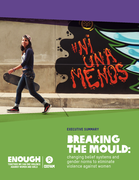
This report provides insights into the prevalence of belief systems and gender norms among young women and men in the region. It looks in depth at the most entrenched beliefs and behaviours among the younger population and provides ample evidence that we must challenge and change the prevailing beli...
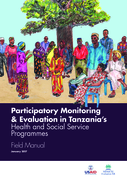
This manual serves as a toolkit of useful PM&E techniques for improving the performance and impact of community-based interventions, such as those involving the most vulnerable children, home-based care and gender-based violence. The manual includes a five-step PM&E programme path and six community ...
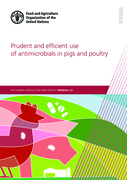
This manual will contribute directly to the fourth focus area of the FAO Action Plan by promoting the prevention of infections and the prudent use of antibiotics in the pig and poultry sectors. The pig and poultry sectors are addressed together, as these sectors generally have the highest use of ant...
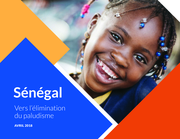
Les progrès substantiels et soutenus du Sénégal dans la lutte contre le paludisme constituent une réussite exemplaire en matière de santé publique et une source d’enseignements potentiels pour d’autres pays sur la voie de l’élimination. Ce document décrit trois facteurs principaux de s...
A all for global Action. The Oral Health Atlas. Second edition

17th March 2020
- Interim guide: May 2020 update.
On the 25th of March, the GPEI circulated the first update of the interim guide to help ensure continuity of the programme’s operations in the context of the COVID-19 pandemic, as well as its support to the pandemic response while also ensuring the safety of its ...
COVID-19 disproportionately affects the poor and vulnerable. Community health workers are poised to play a pivotal role in fighting the pandemic, especially in countries with less resilient health systems. Drawing from practitioner expertise across four WHO regions, this article outlines the targete...
Interim guidance. 12 May 2021. The Continuity of essential health services: Facility Assessment Tool can be used by countries to rapidly assess the capacity of health facilities to maintain the provision of essential health services during the COVID-19 pandemic. It can help to alert the authorities ...
