
Filter
3354
Filtered Results: 3354
Text search:
sustainable
food
systems
Featured
Recommendations
269
New Publications
976
Language
Document type
No document type
1661
Studies & Reports
839
Guidelines
333
Strategic & Response Plan
222
Manuals
171
Fact sheets
43
Training Material
41
Situation Updates
24
Resource Platforms
9
Infographics
5
Brochures
4
Online Courses
1
Videos
1
Countries / Regions
Global
203
Kenya
105
India
101
Myanmar / Burma
88
Sierra Leone
75
Ethiopia
74
Uganda
73
Nepal
70
Liberia
67
Nigeria
65
Bangladesh
60
Syria
58
Ghana
53
Zambia
52
Latin America and the Carribbean
51
Western and Central Europe
49
Rwanda
47
Malawi
46
Africa
44
South Africa
44
South Sudan
41
Tanzania
40
Philippines
36
Namibia
35
Ukraine
30
Congo, Democratic Republic of
28
Cambodia
27
South–East Asia Region
26
Lesotho
24
Zimbabwe
24
Yemen
23
Indonesia
23
Mozambique
20
West and Central Africa
20
Guinea
19
East and Southern Africa
19
Eastern Europe
19
Haiti
18
Sudan
16
Afghanistan
15
Venezuela
15
Jordan
15
Lebanon
14
Pakistan
14
Middle East and North Africa
13
Vietnam
13
Botswana
13
Colombia
12
Asia
12
Western Pacific Region
12
Thailand
11
Burkina Faso
11
Central African Republic
11
Laos
10
Somalia
10
Cameroon
9
Eastern Europe and Central Asia
9
China
8
Germany
8
Brazil
8
Sri Lanka
8
Senegal
7
Iraq
7
Iran
6
Moldova
6
Palestine
6
Turkey
5
Côte d’Ivoire / Ivory Coast
5
Eswatini/ Swaziland
5
Tajikistan
4
Benin
4
Niger
4
USA
4
Turkmenistan
4
Papua New Guinea
4
Mali
4
Madagascar
4
Timor Leste/ East Timor
3
Mexico
3
Peru
3
Saudi Arabia
3
Japan
3
Spain
3
Bosnia and Herzegovina
3
Argentina
3
Russia
3
Egypt
3
Romania
3
Poland
3
Libya
3
Guatemala
3
North Macedonia
2
El Salvador
2
Serbia
2
Kazakhstan
2
Kyrgyzstan
2
Uzbekistan
2
Burundi
2
Malaysia
2
Qatar
2
Paraguay
2
Mauritius
2
Azerbaijan
2
Bolivia
2
Greece
2
Georgia
2
Honduras
2
Ecuador
2
Chile
1
Albania
1
Singapore
1
Estonia
1
Congo-Brazzaville
1
Morocco
1
Mongolia
1
Bulgaria
1
Croatia
1
Hungary
1
Uruguay
1
Denmark
1
France
1
Maldives
1
Tunisia
1
United Kingdom
1
Portugal
1
Belarus
1
Southern Africa
1
Nicaragua
1
Djibouti
1
Angola
1
Chad
1
Bhutan
1
Authors & Publishers
Publication Years
Category
Countries
1317
Key Resources
335
Public Health
208
Women & Child Health
159
Clinical Guidelines
131
Capacity Building
56
Pharmacy & Technologies
14
Toolboxes
Planetary Health
359
COVID-19
212
AMR
161
Conflict
153
Mental Health
147
HIV
139
Global Health Education
131
Disability
126
TB
93
Natural Hazards
81
NTDs
73
Ebola & Marburg
72
Refugee
67
Caregiver
67
Health Financing Toolbox
60
NCDs
57
Rapid Response
55
2.0 Rapid Response
43
Pharmacy
38
Cholera
22
Malaria
19
Social Ethics
13
Specific Hazards
8
Zika
7
Polio
7
Typhoon
3
South Sudan
1
It is too early to know the full impact of COVID-19 on Africa. To date the experience has been varied. There are causes for concern, but also reasons for hope. Early estimates were pessimistic regarding the pandemic’s impact on the continent. But the relatively low numbers of COVID-19 cases report...

Recent United Nations Conferences of the Parties (COPs) have demonstrated that health professionals are
playing an increasingly prominent role in calling for rapid action to address the climate crisis.

The International Rescue Committee (IRC) is a leading humanitarian agency dedicated to helping people whose lives have been shattered by conflict and disaster to survive, recover, and gain control of their future. Health comprises nearly half of IRC’s program portfolio globally and encompasses thr...
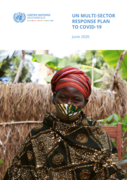
Mozambique registered its first COVID-19 case on 22 March 2020 and since then numbers have steadily grown over the following three months with cases now reported in all provinces. In response, a level 3 State of emergency was enacted on 1 April 2020 and has been extended until 29 July 2020, with mea...

The longlist of knowledge gaps is based on existing research agendas published in 2015 or later and expert input from reviewers of the first draft of the longlist. It only includes knowledge gaps focussing on a better
understanding of the relationship between global environmental change and human h...
Nature Sustainability | VOL 2 | APRIL 2019 | 267–273 | www.nature.com/natsustain
Issue Brief 31: Antimicrobial resistance (AMR) can occur when viruses, bacteria, parasites and fungi change over time. There is no longer a response to medicines, and the infection treatment gets really difficult which increases the risk of a disesase spread, which can lead to severe health problems...

The Royal College of Paediatrics and Child Health recognises that climate change
is an existential threat to the health and wellbeing of children and young people.
In October 2020, we joined national health and academic alliances to declare
climate change an emergency requiring accelerated col...
The roadmap highlights and advocates for the existing and potential key role of national public health institutes (NPHIs) in climate adaptation and mitigation, and how they contribute to climate policies, research and action.
Overwhelming evidence shows that a range of health concerns—mental illness, substance dependence, HIV/AIDS, and noncommunicable diseases—affect prisoners disproportionately. But, while incarceration poses risks to health—including inadequate nutrition and exposure to violence—prisons also pr...
Available in English, French, Spanish, Russian, Chinese, Arabic and Portugues
This document was conducted as a desk study and provides useful information and practical examples of responses to HIV and AIDS in the fields of agriculture, rural development, self-help and social protection. It aims to invite Misereor partners and others working in these fields to reflect on their...
A Resource Book of Inclusive Practices

The report is geared towards mayors, local government officials and city policy planners.It highlights key areas where city leaders can tackle the drivers of NCDs, including tobacco use, air pollution, poor diets and lack of exercise, and improve road safety.
From anti-tobacco actions in Beijing a...
Excessive consumption of salt (more than 5 g per day) raises blood pressure, a major risk factor for cardiovascular diseases such as heart disease and stroke, and is the leading cause of death in the WHO European Region. Many countries in the Region have initiated national salt reduction strategies,...
