
Filter
9576
Filtered Results: 9576
Text search:
social
status
Featured
Recommendations
745
New Publications
2413
Language
Document type
No document type
5305
Studies & Reports
1810
Guidelines
1048
Manuals
472
Strategic & Response Plan
390
Fact sheets
222
Training Material
163
Situation Updates
89
Resource Platforms
28
Infographics
23
Brochures
20
Online Courses
3
Videos
2
App
1
Countries / Regions
Global
442
India
367
Kenya
262
Ethiopia
196
Western and Central Europe
189
South Africa
186
Nepal
180
Myanmar / Burma
178
Uganda
171
Liberia
171
Sierra Leone
164
Nigeria
164
Latin America and the Carribbean
154
Indonesia
154
Tanzania
139
Africa
138
Bangladesh
138
Rwanda
130
Syria
129
Malawi
128
Zambia
124
Ukraine
113
Namibia
113
Germany
96
Ghana
95
Congo, Democratic Republic of
93
Senegal
77
Philippines
76
South Sudan
74
Eastern Europe
72
Brazil
71
Lesotho
68
Cambodia
63
Zimbabwe
62
South–East Asia Region
62
Mozambique
59
Venezuela
58
Guinea
57
Asia
56
Yemen
49
West and Central Africa
48
Haiti
47
East and Southern Africa
47
Middle East and North Africa
40
Russia
40
Burkina Faso
39
Cameroon
38
Colombia
36
Botswana
36
Afghanistan
32
Pakistan
31
Eastern Europe and Central Asia
29
Central African Republic
27
Benin
26
Lebanon
26
Sudan
24
Eswatini/ Swaziland
23
Jordan
22
Vietnam
22
Somalia
22
Thailand
21
Paraguay
20
Western Pacific Region
18
Tajikistan
17
China
17
Moldova
16
Mali
16
USA
15
Laos
14
Madagascar
14
Sri Lanka
13
Iraq
13
Chile
12
Albania
12
Peru
12
Georgia
11
Ecuador
11
Côte d’Ivoire / Ivory Coast
10
Argentina
10
Angola
10
Turkey
9
Togo
9
Iran
9
Kyrgyzstan
9
North America
9
Southern Africa
9
Bolivia
9
Greece
9
Palestine
9
North Macedonia
8
Burundi
8
Mexico
7
El Salvador
7
United Kingdom
7
Portugal
7
Papua New Guinea
7
Egypt
7
Poland
7
Timor Leste/ East Timor
6
Serbia
6
Kazakhstan
6
Niger
6
Armenia
6
Guinea-Bissau
6
Hungary
6
Jamaica
6
Spain
6
Romania
6
Libya
6
Italy
5
Turkmenistan
5
Saudi Arabia
4
Belarus
4
Chad
4
Switzerland
3
Canada
3
Estonia
3
Malaysia
3
Morocco
3
Croatia
3
Japan
3
Mauritius
3
Tunisia
3
Bosnia and Herzegovina
3
Guyana
3
Bhutan
3
Guatemala
3
North Korea
2
Gambia
2
Singapore
2
Uzbekistan
2
Mongolia
2
Qatar
2
Bulgaria
2
Lithuania
2
France
2
Azerbaijan
2
Israel
2
Djibouti
2
Slovakia
2
Honduras
2
Fiji
1
Austria
1
Vanuatu
1
Mauritania
1
Dominican Republic
1
Ireland
1
Gabon
1
Uruguay
1
Belgium
1
Maldives
1
Norway
1
Latvia
1
Solomon Islands
1
Authors & Publishers
Publication Years
Category
Countries
3710
Key Resources
535
Women & Child Health
488
Public Health
479
Clinical Guidelines
466
Capacity Building
194
Pharmacy & Technologies
31
Annual Report MEDBOX
3
Toolboxes
Mental Health
853
COVID-19
847
HIV
730
Disability
454
Planetary Health
395
TB
384
Conflict
293
Refugee
291
Caregiver
243
Ebola & Marburg
229
NTDs
199
Global Health Education
190
AMR
147
Rapid Response
145
NCDs
144
Health Financing Toolbox
137
Natural Hazards
119
Social Ethics
93
Pharmacy
91
Malaria
86
2.0 Rapid Response
85
Cholera
49
Polio
49
Zika
46
Specific Hazards
41
Typhoon
5
South Sudan
2
The way we talk about global issues affects how people think, feel and react to them. Recognising that language has the power to create social change, we have produced this guide with the inten-tion of setting out a different approach to communicating global issues—one that replaces the nar-rative...
This is the fifteenth edition of the lecture notes. They were first published in 1987 as a summary of the material used in the biannual epilepsy teaching weekend organised under the auspices of the UK Chapter of the International League against Epilepsy.
(Lecture series consist of a total of 59 cha...
Children continue to be exposed to powerful food marketing, which predominantly promotes foods high in saturated fatty acids, trans-fatty acids, free sugars and/or sodium and uses a wide variety of marketing strategies that are likely to appeal to children. Food marketing has a harmful impact on chi...

Many low-resource settings have a shortage of physicians and health workers. (1) In order to provide patient-centred continuous care more effectively, primary care systems can include team-based care strategies in their clinic workflows and protocols. Team-based care uses multidisciplinary teams (wh...
Schools are generally the most popular setting for drug-use-
prevention programmes, and are used both by governmental and
non-governmental agencies. This may be for many reasons: ease of
obtaining funding for school drug-use-prevention programmes, the
captive audience, and the popular perception...

Noncommunicable diseases (NCDs) – chief among them, cardiovascular diseases (heart disease and stroke), cancer, diabetes and chronic respiratory diseases – along with mental health, cause nearly three quarters of deaths in the world. Their drivers are social, environmental, commercial and geneti...
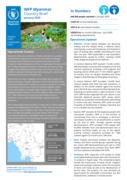
Myanmar continues to present a complex and dynamic operating context where ongoing socio-economic and political challenges, including conflict, displacement, widespread poverty and food insecurity, hinder development efforts. An estimated 24.8 percent of its 54 million population live near or below ...

The ERF provides WHO staff with essential guidance on how the Organization manages the assessment, grading and response to public health events and emergencies with health consequences, in support of Member States and affected communities. The ERF adopts an all-hazards approach and it is therefore a...
УСПЕХИ В РЕАЛИЗАЦИИ ПОЛИТИКИ В ОТНОШЕНИИ КОНТРОЛЯ НАД АЛКОГОЛЬНОЙ ПРОДУКЦИЕЙ, 2010–2019 ГГ
A detailed overview is provided of the implementation of alcohol policies described in the 10 action areas of the European Action Plan ...
The Mtoto Mwerevu Stunting Reduction Toolkit is a resource for government and organisations involved in addressing stunting and broader nutrition issues in Tanzania. The toolkit was developed in conjunction with the Government of Tanzania (GoT) with funding from UK Aid as part of the Addressing Stun...
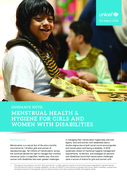
Menstruation is a natural fact of life and a monthly occurrence for 1.8 billion girls and women of reproductive age. Yet millions of menstruators across the world are denied the right to manage their monthly menstrual cycle in a dignified, healthy way. Girls and women with disabilities face even gre...
Experiences and recommendations from the International Red Cross and Red Crescent Movement.
Measures imposed by governments to prevent the spread of the disease, including lockdown restrictions, quarantines, physical distancing, and their economic and social consequences, further increase this dist...
“Guide to facilitate the implementation of the WHO/UNICEF “Guidance on developing a national deployment and vaccination plan for COVID-19 vaccines” for Africa
t contains action-oriented lists of critical topics to address and checklists tailored to the context of African Union Member States.
...
Every day in 2020, approximately 800 women died from preventable causes related to pregnancy and childbirth - meaning that a woman dies around every two minutes.
Sustainable Development Goal (SDG) target 3.1 is to reduce maternal mortality to less than 70 maternal deaths per 100 000 live births by ...
In recent years Terre des Hommes Netherlands observed the steady rise of a new form of child sexual exploitation. One that is enabled and fuelled by rapid technological advances, increasing global connectivity, persisting poverty rates, and growing disparity in the global distribution of resources. ...
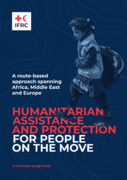
People on the move – migrants, refugees, asylum seekers and other displaced populations – face extraordinary risks to their lives, safety, dignity, human rights and well-being.
In part this is connected to the core reasons that lead to migration and displacement, ranging from violence, persec...

The strategic plan reflects shared commitments to enhance collaboration between environmental, animal (wildlife and domestic) and human health, and building new One Health workforce capacity through higher institutions of learning. The strategy also outlines interventions to be undertaken by governm...

Recently, Sri Lanka has been impacted by multiple natural disasters. Sri Lanka experienced a landslide in October 2014, and flooding in December 2014.8 Sri Lanka withstood the worst drought conditions witnessed in four decades in 2016; the extreme drought conditions extended into 2017 and produced s...
Nutrition training of health and agriculture workers can help to reduce child undernutrition. Specifically, trained health extension workers cancontribute through frequent nutrition counselling of caregivers. Evidence from systematic reviews has showed that providing nutrition training targeting hea...
This catalogue provides tools and information resources to support EU/EEA countries in addressing the challenging issue of vaccine hesitancy. The catalogue provides examples of practices that can serve as a resource for other countries. The project was developed in the context of ECDC’s support fo...
