
Filter
9570
Filtered Results: 9570
Text search:
social
status
Featured
Recommendations
742
New Publications
2409
Language
Document type
No document type
5305
Studies & Reports
1806
Guidelines
1047
Manuals
472
Strategic & Response Plan
389
Fact sheets
222
Training Material
163
Situation Updates
89
Resource Platforms
28
Infographics
23
Brochures
20
Online Courses
3
Videos
2
App
1
Countries / Regions
Global
442
India
367
Kenya
262
Ethiopia
196
Western and Central Europe
189
South Africa
186
Nepal
180
Myanmar / Burma
178
Uganda
171
Liberia
171
Sierra Leone
164
Nigeria
164
Latin America and the Carribbean
154
Indonesia
154
Tanzania
139
Africa
138
Bangladesh
138
Rwanda
130
Syria
129
Malawi
128
Zambia
124
Ukraine
113
Namibia
113
Germany
96
Ghana
95
Congo, Democratic Republic of
93
Senegal
77
Philippines
76
South Sudan
74
Eastern Europe
72
Brazil
71
Lesotho
68
Cambodia
63
Zimbabwe
62
South–East Asia Region
62
Mozambique
59
Venezuela
58
Guinea
57
Asia
56
Yemen
49
West and Central Africa
48
Haiti
47
East and Southern Africa
47
Middle East and North Africa
40
Russia
40
Burkina Faso
39
Cameroon
38
Colombia
36
Botswana
36
Afghanistan
32
Pakistan
31
Eastern Europe and Central Asia
29
Central African Republic
27
Benin
26
Lebanon
26
Sudan
24
Eswatini/ Swaziland
23
Jordan
22
Vietnam
22
Somalia
22
Thailand
21
Paraguay
20
Western Pacific Region
18
Tajikistan
17
China
17
Moldova
16
Mali
16
USA
15
Laos
14
Madagascar
14
Sri Lanka
13
Iraq
13
Chile
12
Albania
12
Peru
12
Georgia
11
Ecuador
11
Côte d’Ivoire / Ivory Coast
10
Argentina
10
Angola
10
Turkey
9
Togo
9
Iran
9
Kyrgyzstan
9
North America
9
Southern Africa
9
Bolivia
9
Greece
9
Palestine
9
North Macedonia
8
Burundi
8
Mexico
7
El Salvador
7
United Kingdom
7
Portugal
7
Papua New Guinea
7
Egypt
7
Poland
7
Timor Leste/ East Timor
6
Serbia
6
Kazakhstan
6
Niger
6
Armenia
6
Guinea-Bissau
6
Hungary
6
Jamaica
6
Spain
6
Romania
6
Libya
6
Italy
5
Turkmenistan
5
Saudi Arabia
4
Belarus
4
Chad
4
Switzerland
3
Canada
3
Estonia
3
Malaysia
3
Morocco
3
Croatia
3
Japan
3
Mauritius
3
Tunisia
3
Bosnia and Herzegovina
3
Guyana
3
Bhutan
3
Guatemala
3
North Korea
2
Gambia
2
Singapore
2
Uzbekistan
2
Mongolia
2
Qatar
2
Bulgaria
2
Lithuania
2
France
2
Azerbaijan
2
Israel
2
Djibouti
2
Slovakia
2
Honduras
2
Fiji
1
Austria
1
Vanuatu
1
Mauritania
1
Dominican Republic
1
Ireland
1
Gabon
1
Uruguay
1
Belgium
1
Maldives
1
Norway
1
Latvia
1
Solomon Islands
1
Authors & Publishers
Publication Years
Category
Countries
3710
Key Resources
535
Women & Child Health
488
Public Health
479
Clinical Guidelines
466
Capacity Building
194
Pharmacy & Technologies
31
Annual Report MEDBOX
3
Toolboxes
Mental Health
853
COVID-19
847
HIV
727
Disability
454
Planetary Health
395
TB
384
Conflict
293
Refugee
291
Caregiver
243
Ebola & Marburg
229
NTDs
199
Global Health Education
190
AMR
147
Rapid Response
145
NCDs
144
Health Financing Toolbox
135
Natural Hazards
119
Social Ethics
93
Pharmacy
91
Malaria
86
2.0 Rapid Response
85
Cholera
49
Polio
49
Zika
46
Specific Hazards
41
Typhoon
5
South Sudan
2

The African Regional Convening of the Global Initiative to Support Parents (GISP) stimulated the interest or engagement of almost 1500 individuals from 742 unique organizations in the fields of health, education, social welfare, women’s affairs, early childhood, water and sanitation, mental health...

The Coronavirus Disease 2019 (COVID-19) has had a continuous and robust impact on world health. The resulting COVID-19 pandemic has had a devastating physical, mental and fiscal impact on the millions of people living with noncommunicable diseases (NCDs), as they have a higher risk of severe illness...
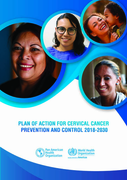
This Plan envisions a future with the elimination of cervical cancer as a public health problem as a result of universal access to sexual health and STI prevention services, HPV vaccines, effective screening and precancer treatment services, treatment of invasive cervical cancer, and palliative care...

The WHO Guidance on community mental health services: Promoting person-centred and rights-based approaches document is part of the WHO Guidance and technical packages on community mental health services set of publications. It provides a detailed description of person-centred and human rights-based ...
The European Union Agency for Fundamental Rights (FRA) collected evidence through field missions and from other sources reporting on the situation in March, May and October 2022.
In parallel, it launched a large-scale online survey of those fleeing Ukraine. This aimed to gather personal experiences...
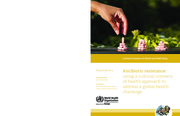
This policy brief has been developed in response to the contemporary challenge of antibiotic resistance (ABR). ABR poses a formidable threat to global health and sustainable development. It is now increasingly recognized that the systematic neglect of cultural factors is one of the biggest obs...
The prevalence of chronic non-communicable diseases such as diabetes, cardiovascular diseases and cancers has been on the increase in Kenya in the recent past. This has been occasioned by changes in social and demographic situation in the country. The life expectancy...

The report offers 20 top recommendations for getting ahead of future outbreaks in Yemen and similarly complex humanitarian settings.
In 2015, Yemen was declared a Level 3 emergency by the UN, kicking into gear the highest level of humanitarian support. A massive cholera outbreak followed, leading t...
Following the release of the Wheelchair Service Training Package – Basic level (WSTP-B), WHO in partnership with United States Agency for International Development (USAID) has developed the Wheelchair Service Training Package – Intermediate Level (WSTP-I). WSTP-I is the second part of the WHO w...
In view of the ongoing political, peace and reconciliation, administrative and economic reforms as well as plans to establish the United Nations Development Assistance Framework (UNDAF) in 2018, WFP extended the current Protracted Relief and Recovery Operation (PRRO 200299), launched in January 2.... To echo this extension and provide a more appropriate response to the country's rapid and multi-pronged transition, WFP adopted a transition strategy with gradually reduced emphasis on humanitarian assistance and greater focus on early recovery and development interventions. WFP's strategic engagement in-country was driven by the overarching goal to assist Myanmar to achieve the national Zero Hunger Challenge by 2025, and was guided by three priorities: emergency preparedness and response; nutrition; and provision of social safety nets.

Providing quality, stigma-free services is essential to equitable health care for all and achieving global HIV goals and broader Sustainable Development Goals related to health. Every person has the right to the highest attainable standard of physical and mental health. Countries have a legal obliga...
The WHO Guidance on community mental health services: Promoting person-centred and rights-based approaches document is part of the WHO Guidance and technical packages on community mental health services set of publications. It provides a detailed description of person-centred and human rights-based ...

Every day, schools engage in numerous activities that help promote the health and well-being of students, families, and communities. There is clear evidence of the benefits of the health-promoting schools (HPS) approach, not only for improving overall health outcomes (physical, mental, and social) i...

The objective of Critical Considerations and Actions for Achieving Universal Access to Sexual and Reproductive Health in the Context of Universal Health Coverage through a Primary Health Care Approach is to provide guidance to WHO Member States for ensuring progress towards universal access to compr...

The WHO Guidance on community mental health services: Promoting person-centred and rights-based approaches document is part of the WHO Guidance and technical packages on community mental health services set of publications. It provides a detailed description of person-centred and human rights-based ...
The purpose of this publication is to facilitate the implementation of existing WHO guidelines on nutrition-specific and nutrition-sensitive actions required for improving health and well-being of adolescents. Implementing these actions should explicitly take into account the heterogeneity of adoles...
NHỮNG CÂN NHẮC VÀ KHUYẾN NGHỊ THIẾT THỰC CHO CÁC NHÀ LÃNH ĐẠO TÔN GIÁO VÀ CỘNG ĐỒNG TÔN GIÁO TRONG BỐI CẢNH COVID-19
Practical considerations and recommendations for religious leaders and faith-based communities in the context of COVID-19
Religious leaders, faith...

The Regional Action Framework for Noncommunicable Disease Prevention and Control provides a unified vision of objectives and recommended actions to combat the noncommunicable disease (NCD) epidemic in the Western Pacific Region. Implementation should be supported by cross-sectoral coordination...
2nd revised edition. Accessed Apri. 17, 2019
Prevention strategies based on scientific evidence working with families, schools, and communities can ensure that children and youth, especially the most marginalized and poor, grow and stay healthy and safe into adulthood and old age. For every dollar ...
