
Filter
5435
Filtered Results: 5435
Text search:
Health
Crisis
Featured
Recommendations
449
New Publications
1252
Language
Document type
No document type
2541
Studies & Reports
1251
Guidelines
573
Manuals
322
Strategic & Response Plan
282
Fact sheets
167
Situation Updates
147
Training Material
70
Resource Platforms
25
Infographics
19
Brochures
16
Online Courses
12
Videos
6
Dashboards/Maps
3
App
1
Countries / Regions
Global
368
Syria
171
Sierra Leone
144
Latin America and the Carribbean
135
Liberia
129
Congo, Democratic Republic of
112
Ukraine
107
Indonesia
107
Kenya
101
India
101
Myanmar / Burma
96
Western and Central Europe
95
Venezuela
85
Nigeria
81
Bangladesh
81
South Sudan
81
Africa
80
Yemen
80
Uganda
70
Nepal
69
South Africa
66
Guinea
63
Ethiopia
62
Brazil
57
Mozambique
56
Haiti
51
Zambia
46
West and Central Africa
44
Middle East and North Africa
40
Senegal
39
Central African Republic
38
Malawi
35
South–East Asia Region
35
East and Southern Africa
35
Colombia
34
Tanzania
33
Philippines
32
Eastern Europe
32
Russia
32
Lesotho
31
Rwanda
30
Ghana
29
Afghanistan
29
Asia
29
Eastern Europe and Central Asia
28
Zimbabwe
26
Germany
26
Lebanon
25
Cameroon
24
Burkina Faso
24
Paraguay
24
Sudan
24
Jordan
23
Namibia
23
Pakistan
23
Somalia
22
Madagascar
20
Iraq
19
Argentina
18
Chile
17
Peru
17
Mali
16
Turkey
15
Ecuador
14
Thailand
13
Benin
13
Cambodia
13
China
12
Moldova
12
Togo
11
USA
11
Côte d’Ivoire / Ivory Coast
11
Vietnam
11
Niger
10
Western Pacific Region
10
Palestine
10
Botswana
9
Tajikistan
8
Laos
8
Angola
8
Chad
8
Eswatini/ Swaziland
8
Iran
7
Albania
7
Guinea-Bissau
7
Spain
7
Sri Lanka
7
Greece
7
Poland
7
Libya
7
Mexico
6
Hungary
6
North America
6
Bolivia
6
El Salvador
5
Burundi
5
Papua New Guinea
5
Romania
5
North Macedonia
4
Timor Leste/ East Timor
4
Gambia
4
Kyrgyzstan
4
Jamaica
4
Georgia
4
Switzerland
3
Serbia
3
Canada
3
Uzbekistan
3
Morocco
3
Armenia
3
Dominican Republic
3
Croatia
3
Saudi Arabia
3
Turkmenistan
3
Japan
3
Tunisia
3
Portugal
3
Nicaragua
3
Honduras
3
Kazakhstan
2
Fiji
2
Singapore
2
Malaysia
2
Bulgaria
2
Mauritania
2
Italy
2
Lithuania
2
France
2
Belarus
2
Southern Africa
2
Djibouti
2
Egypt
2
Slovakia
2
Guatemala
2
North Korea
1
Estonia
1
Congo-Brazzaville
1
Mongolia
1
Qatar
1
Ireland
1
Gabon
1
Uruguay
1
Maldives
1
Mauritius
1
United Kingdom
1
Norway
1
Morocco
1
Azerbaijan
1
French Guyana
1
Israel
1
Bosnia and Herzegovina
1
Bhutan
1
Authors & Publishers
Publication Years
Category
Countries
1914
Key Resources
463
Women & Child Health
266
Public Health
234
Clinical Guidelines
199
Capacity Building
79
Pharmacy & Technologies
10
Annual Report MEDBOX
3
Toolboxes
COVID-19
776
Mental Health
543
Conflict
388
Planetary Health
290
Ebola & Marburg
260
HIV
220
Refugee
193
Disability
173
Natural Hazards
172
TB
135
Health Financing Toolbox
134
Global Health Education
120
AMR
118
Caregiver
110
Rapid Response
95
NTDs
64
2.0 Rapid Response
61
NCDs
60
Cholera
46
Pharmacy
44
Malaria
39
Social Ethics
34
Specific Hazards
33
Zika
26
Polio
18
Typhoon
4
South Sudan
2
The development of this Operational Roadmap has been driven by a growing consensus in Ukraine on the need to prioritize activities that are urgently required to address the mental health and psychosocial needs of the country’s population and also the importance of basing the response on existing s...
In September 2021, the UN and its partners presented a response plan to mitigate the impact of the water crisis in northern and north-east Syria which requested US$200 million to assist up to 3.4 million of the over five million people estimated to be affected by the water crisis in northern Syria b...
Special issue: Mental Health Challenges in Lithuania
Nos. 1-2 '11
This document provides training and guidance on the key standards related to the physical and social environment within mental health and related services that need to be met to promote good outcomes, independent living and community inclusion.
This document provides training and guidance on the reasons for, and the impact of, violence, coercion and abuse within mental health and related settings. It also provides guidance on how to implement strategies to end the use of coercion, violence and abuse in these settings.

Introduction The novel Coronavirus (nCoV) epidemic in 2019 -2020 has recently emerged. The route of transmission is not totally known, although it is known that it can spread from person to person, and local health care systems may be ill-equipped to handle a large-scale outbreak. Furthermore, misco...
RESULTS: Between 76 and 97% of the PHCS offered RMCAH services before the lockdown. Except in antenatal, delivery and adolescent care, there was a decline of between 2 and 6% in all the services during the lockdown and up to 10% decline after the lockdown with variation across and within States. Dur...
The Lancet Planetary Health, Vol.5 Issue 2, Feb. 1,2021.
Nationally determined contributions (NDCs) serve to meet the goals of the Paris Agreement of staying “well below 2°C”, which could also yield substantial health co-benefits in the process. However, existing NDC commitments are inadequa...
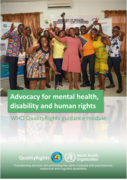
The QualityRights training and orientation modules have been developed to enhance the knowledge, skills and understanding of key stakeholders on how to promote the rights of people with psychosocial, intellectual or cognitive disabilities, improve the quality of services and support provided in the ...
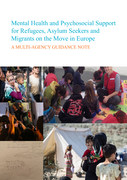
This brief guidance note seeks to provide advice on protecting and supporting the mental health and psychosocial wellbeing of refugees, asylum-seekers and migrants in Europe. It describes key principles and appropriate interventions to guide all those who are designing and organizing emergency servi...
A manual intended for medical and other personnel responsible for humanitarian activities in armed conflicts. It covers the following topics: setting up a health-care system that meets the essential needs of war victims, particularly of displaced persons; public health tools most frequently used for...
The report focuses on several key areas where health outcomes are falling short, and provides insight into ways in which countries can improve the situation for their children and adolescents. Areas in focus include mental health, overweight/obesity and adolescent risk-taking behaviour.
The report ...
Mental health is critically important to everyone, everywhere. All over the world, mental health needs are high but responses are insufficient and inadequate. The World mental health report: transforming mental health for all is designed to inspire and inform better mental health for everyone everyw...

Mental health is critically important to everyone, everywhere. All over the world, mental health needs are high but responses are insufficient and inadequate. The World mental health report: transforming mental health for all is designed to inspire and inform better mental health for everyone everyw...
