
Filter
6853
Filtered Results: 6853
Text search:
health
authorities
Featured
Recommendations
657
New Publications
1691
Language
Document type
No document type
3309
Studies & Reports
1212
Guidelines
1033
Manuals
471
Strategic & Response Plan
327
Fact sheets
171
Training Material
140
Situation Updates
116
Resource Platforms
21
Infographics
17
Brochures
15
Online Courses
14
Dashboards/Maps
5
Videos
2
Countries / Regions
Global
335
India
217
Western and Central Europe
171
Sierra Leone
140
Liberia
136
Myanmar / Burma
126
Kenya
124
Syria
117
Latin America and the Carribbean
116
Nigeria
109
Ethiopia
103
Uganda
99
Ukraine
97
Africa
91
Congo, Democratic Republic of
91
Rwanda
87
Bangladesh
84
Nepal
79
South Africa
73
Tanzania
72
Ghana
67
Malawi
66
South Sudan
61
South–East Asia Region
60
Zambia
60
Guinea
57
Eastern Europe
53
Yemen
49
West and Central Africa
46
Mozambique
43
Venezuela
43
Namibia
43
Asia
42
Cambodia
40
Senegal
39
Haiti
38
Zimbabwe
37
East and Southern Africa
37
Germany
34
Middle East and North Africa
34
Lesotho
33
Eastern Europe and Central Asia
33
Philippines
32
Indonesia
32
Burkina Faso
28
Colombia
27
Central African Republic
27
Afghanistan
25
Brazil
25
Sudan
22
Mali
22
Pakistan
22
Cameroon
21
Russia
21
Western Pacific Region
20
Botswana
20
Somalia
20
Lebanon
19
Vietnam
19
Madagascar
19
Jordan
18
Iraq
17
Moldova
16
China
15
Thailand
14
Laos
14
Côte d’Ivoire / Ivory Coast
14
Tajikistan
13
Niger
12
Eswatini/ Swaziland
12
Benin
11
Palestine
11
Turkey
10
Chile
10
Iran
10
Peru
10
Chad
10
Togo
9
Albania
8
USA
8
North America
8
Greece
8
Angola
8
Libya
8
North Macedonia
7
Guinea-Bissau
7
Sri Lanka
7
Georgia
7
Mexico
6
El Salvador
6
Kazakhstan
6
Kyrgyzstan
6
Burundi
6
Jamaica
6
Egypt
6
Poland
6
Ecuador
6
Timor Leste/ East Timor
5
Serbia
5
Italy
5
Turkmenistan
5
Tunisia
5
Spain
5
Bolivia
5
Papua New Guinea
5
Romania
5
Gambia
4
Morocco
4
Hungary
4
Saudi Arabia
4
Paraguay
4
United Kingdom
4
Portugal
4
Argentina
4
Nicaragua
4
Honduras
4
Guatemala
4
Fiji
3
Uzbekistan
3
Malaysia
3
Qatar
3
Mauritania
3
Armenia
3
Dominican Republic
3
Croatia
3
Belarus
3
Israel
3
Bosnia and Herzegovina
3
Southern Africa
3
Djibouti
3
Bhutan
3
North Korea
2
Switzerland
2
Australia
2
Estonia
2
Vanuatu
2
Mongolia
2
Bulgaria
2
Lithuania
2
Japan
2
France
2
Mauritius
2
Azerbaijan
2
French Guyana
2
Singapore
1
Congo-Brazzaville
1
Austria
1
Gabon
1
Denmark
1
Maldives
1
Norway
1
South Korea
1
Algeria
1
Morocco
1
Belize
1
Costa Rica
1
Panama
1
Slovakia
1
Solomon Islands
1
Cuba
1
Authors & Publishers
Publication Years
Category
Countries
2082
Clinical Guidelines
551
Key Resources
532
Public Health
406
Women & Child Health
387
Capacity Building
145
Pharmacy & Technologies
101
Annual Report MEDBOX
1
Toolboxes
COVID-19
783
HIV
440
Mental Health
432
TB
331
Ebola & Marburg
295
Conflict
271
Planetary Health
248
Disability
234
NTDs
224
Rapid Response
200
Refugee
193
AMR
188
Caregiver
167
Natural Hazards
131
Pharmacy
130
Global Health Education
124
2.0 Rapid Response
105
Malaria
98
NCDs
83
Zika
75
Cholera
66
Health Financing Toolbox
65
Specific Hazards
60
Polio
50
Social Ethics
15
Typhoon
7
South Sudan
1

These guidelines promote the delivery of people-centred health services for STIs by providing evidence-based recommendations related to decentralization, integration, task sharing and digital health. These recommendations complement existing WHO guidelines for STI testing, treatment and management, ...

The 2024 edition reviews more than 50 health-related indicators from the Sustainable Development Goals and WHO’s Thirteenth General Programme of Work. It also highlights the findings from the Global health estimates 2021, notably the impact of the COVID-19 pandemic on life expectancy and healthy l...

Noncommunicable diseases (NCDs) (e.g., cardiovascular diseases, cancers, diabetes, and chronic respiratory diseases) and mental health conditions (e.g., Alzheimer’s disease and related dementias, depression, anxiety, autism spectrum disorders) are the world’s leading cause of preventable illness...

Health in All Policies (HiAP) promotes health and equity. It is based on the recognition that our greatest health challenges for example, non-communicable diseases, health inequities and inequalities, climate change, and spiraling health care costs are highly complex and often linked through the soc...

WHO, as the coordinating authority on international health, supports countries in protecting public health through evidence-based policies and actions. Considering the significant health burden and the multiple potential benefits of interventions, the WHO Air Quality, Energy and Health Unit aims to ...

PHSM are vital in reducing the risk and scale of infectious disease transmission and lowering hospitalization and deaths. Examples include contact tracing, quarantine and isolation, mask use, ventilation, school or workplace measures, mobility restrictions and travel requirements.
While these mea...

Community health nurses have the potential to make significant contributions to meet the health care needs of various population groups in a variety of community settings. In order to assess the extent to which CHNs are achieving this potential, WHO conducted a study between 2010 and 2014 that exami...
BMJ Global Health 2022;7:e008007. doi:10.1136/ bmjgh-2021-00800
Building on our decades of commitment to human rights in medicine and healthcare, we have published a new report on emerging threats in health-related human rights both globally and in the UK.
'Health and human rights in the new world (dis)order' outlines a shifting rights landscape in which new ...
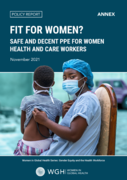
One of the many gender inequities in the health and care workforce that COVID-19 has exposed is around the fit and design of Personal Protective Equipment (PPE). The rapid onset and scale of COVID-19 led to shortages of PPE in most countries, causing preventable infection and mortality among healthc...
This Global Competency Standards sets the benchmark for the health workforce in providing equality of care to refugees and migrants. Refugee and migrant populations are highly diverse, with significant variation in life experiences, health needs and access to health care. The standards described out...

Introduction The novel Coronavirus (nCoV) epidemic in 2019 -2020 has recently emerged. The route of transmission is not totally known, although it is known that it can spread from person to person, and local health care systems may be ill-equipped to handle a large-scale outbreak. Furthermore, misco...

Mental health is critically important to everyone, everywhere. All over the world, mental health needs are high but responses are insufficient and inadequate. The World mental health report: transforming mental health for all is designed to inspire and inform better mental health for everyone everyw...


Physical distancing measures are important to reduce COVID-19 transmission. However, when stringently applied, they can result in negative health and socio-economic impacts. This report draws on a rapid review of available literature, case studies from across Africa and expert knowledge to make reco...

It is against this background that the Ministry of Health and Sanitation with its partners have
taken the lead to develop Essential Health Services Package (EHSP). The MOHS believes that the
development of EHSP; defining the services that should be available at each level of care
(community to ...
South Sudan continues to struggle with a severe health crisis affecting 8.9 million people, primarily in flood- and conflict-affected regions with population movements (displacement and returns), and disease outbreaks. The nation's health system, heavily reliant on international aid, faces staffing ...
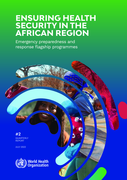
The World Health Organization Regional Office for Africa (WHO AFRO), in accordance with recommendations from various WHO committees, has developed three flagship programmes to support Member States in the African region to prepare for, detect and respond to public health emergencies. They are the re...
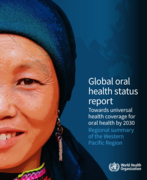
This regional summary draws on the WHO Global oral health status report (2), published in 2022, which provides a comprehensive overview of the global oral disease burden, the global health importance of oral health and the impact of oral diseases over the life course.
The summary focuses on the ...
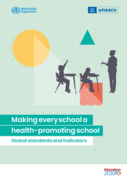
No education system is effective unless it promotes the health and well-being of its students, staff and community. These strong links have never been more visible and compelling than in the context of the COVID-19 pandemic. Towards making every school a health-promoting school: Let’s start with a...
