
Filter
12553
Filtered Results: 12553
Text search:
counties
Featured
Recommendations
995
New Publications
2824
Language
Document type
No document type
6256
Studies & Reports
2607
Guidelines
1475
Manuals
599
Fact sheets
474
Strategic & Response Plan
447
Training Material
226
Situation Updates
149
Resource Platforms
124
Infographics
91
Online Courses
34
Brochures
32
Videos
26
Dashboards/Maps
10
App
3
Countries / Regions
Global
718
India
359
Kenya
340
Ethiopia
245
Western and Central Europe
237
Latin America and the Carribbean
227
Liberia
224
Africa
219
Nigeria
218
Sierra Leone
215
South Africa
199
Uganda
192
Nepal
187
Myanmar / Burma
168
Rwanda
156
Syria
152
Bangladesh
148
Ukraine
146
Malawi
146
Tanzania
145
Zambia
134
Ghana
128
Congo, Democratic Republic of
125
Namibia
108
South Sudan
101
Eastern Europe
96
Senegal
94
Guinea
92
Haiti
86
Philippines
84
West and Central Africa
84
South–East Asia Region
84
East and Southern Africa
84
Asia
80
Russia
75
Lesotho
74
Zimbabwe
73
Indonesia
73
Burkina Faso
72
Germany
72
Middle East and North Africa
72
Brazil
71
Mozambique
70
Venezuela
69
Cambodia
67
Yemen
62
Colombia
60
Cameroon
57
Afghanistan
48
Mali
47
Eastern Europe and Central Asia
46
Benin
43
Botswana
43
Pakistan
43
Central African Republic
37
Sudan
35
Vietnam
33
Côte d’Ivoire / Ivory Coast
30
Somalia
30
Madagascar
30
Lebanon
29
Eswatini/ Swaziland
29
Thailand
28
China
27
Western Pacific Region
26
Jordan
23
Tajikistan
22
Niger
20
Peru
20
Moldova
20
Togo
19
North America
19
Turkey
18
Sri Lanka
18
Angola
18
Laos
17
Paraguay
17
Argentina
17
Iraq
17
Chile
16
Albania
16
Chad
16
USA
15
Iran
14
Guinea-Bissau
14
Egypt
13
Palestine
13
Ecuador
13
Mexico
12
Burundi
12
Greece
12
Kyrgyzstan
11
Georgia
11
Libya
11
North Macedonia
10
Southern Africa
10
Bolivia
10
Papua New Guinea
10
El Salvador
9
Italy
9
Gambia
8
Malaysia
8
Armenia
8
Honduras
8
Guatemala
8
Kazakhstan
7
Saudi Arabia
7
France
7
Spain
7
Djibouti
7
Romania
7
Poland
7
Timor Leste/ East Timor
6
Serbia
6
Congo-Brazzaville
6
Morocco
6
Hungary
6
Jamaica
6
Portugal
6
Canada
5
Uzbekistan
5
Turkmenistan
5
United Kingdom
5
Belarus
5
Nicaragua
5
North Korea
4
Switzerland
4
Estonia
4
Dominican Republic
4
Croatia
4
Japan
4
Belgium
4
Tunisia
4
Singapore
3
Mauritania
3
Gabon
3
Uruguay
3
Mauritius
3
Bosnia and Herzegovina
3
Mongolia
2
Qatar
2
Bulgaria
2
Lithuania
2
Ireland
2
Luxembourg
2
Denmark
2
Maldives
2
South Korea
2
Azerbaijan
2
Israel
2
Slovakia
2
Bhutan
2
Solomon Islands
2
Australia
1
Fiji
1
Vanuatu
1
Cape Verde
1
Norway
1
Morocco
1
French Guyana
1
Latvia
1
Slovenia
1
Belize
1
Costa Rica
1
Eritrea
1
Panama
1
Cuba
1
Authors & Publishers
Publication Years
Category
Countries
4161
Clinical Guidelines
814
Public Health
693
Key Resources
688
Women & Child Health
627
Capacity Building
218
Pharmacy & Technologies
113
Annual Report MEDBOX
3
Toolboxes
COVID-19
1264
HIV
945
Mental Health
923
TB
638
Disability
506
Planetary Health
504
NTDs
472
Ebola & Marburg
401
Conflict
361
AMR
339
NCDs
337
Caregiver
304
Refugee
287
Health Financing Toolbox
267
Rapid Response
247
Global Health Education
240
Pharmacy
192
Malaria
179
Natural Hazards
161
2.0 Rapid Response
128
Zika
107
Cholera
83
Polio
83
Social Ethics
63
Specific Hazards
52
Typhoon
5
South Sudan
3
In January 2021, the World Health Organization (WHO) published a new road map to address the burden of disease and death imposed by neglected tropical diseases (NTDs). The end of the first year of the 2021-2030 NTD road map is an opportunity to take stock of where we stand and how we plan to move fo...
Reporting system for the general public - This document aims to provide practical guidelines on how to set up national systems for consumers to report adverse reactions to medicines. The purpose is to help countries set up a well-organized and effective consumer reporting system within their pharmac...
Geneva, 22 May 2023 – Gavi, the Vaccine Alliance today published a roadmap* outlining critical actions needed to ensure supply of oral cholera vaccine (OCV) is able to meet growing demand from countries. Released against a backdrop of a recent wave of cholera outbreaks around the world, the roadma...
The article presents findings from the BREATHE study, which assessed the distribution of COPD-related symptoms in the Middle East and North Africa (MENA) region. The study involved a large cross-sectional survey in 11 countries, collecting data on respiratory symptoms, smoking habits, and potential ...
Who suffers Most from Extreme Weather Events? Weather-related Loss Events in 2019 and 2000 to 2019
The Global Climate Risk Index 2021 analyses and ranks to what extent countries and regions have been affected by impacts of climate related extreme weather events (storms, floods, heatwaves etc.). The...

no cover page / publication year available
The process to develop this "National Traditional Medicine Policy" included a detailed situational analysis of traditional medicine in Liberia and a desk review of relevant documents and the regional policy framework on the alignment of WAHO countries ...
The process to develop this "National Traditional Medicine Policy" included a detailed situational analysis of traditional medicine in Liberia and a desk review of relevant documents and the regional policy framework on the alignment of WAHO countries ...
People play an essential role in managing their own sexual and reproductive health and rights (SRHR) and as caregivers. This publication looks at self-care interventions for SRHR from a global perspective and also what is specifically happening in six countries: Burkina Faso, Ethiopia, India, Kenya,...
There has been a global outbreak of mpox since 2022; this outbreak has been caused by the strain of mpox virus called Clade 2 and has affected around 116 countries worldwide. The current surge in cases is being driven by the rapid spread of a different strain – Clade 1b – which is predominantly ...

As the war in Ukraine pushes food, fuel and fertilizer prices toward record levels putting food security in many of the world’s poorest countries at risk, the UN’s International Fund for Agricultural Development (IFAD) today launched a Crisis Response Initiative to ensure that small-scale farmer...
Community feedback considered in this report was collected through information received from Community Engagement and Accountability (CEA) focal points,as well as through primary data collection,in 10 African countries.Red Cross and Red Crescent National Society CEA focal points were asked to share ...
These field guides to African freshwater snails of medical and veterinary importance were published by the Danish Bilharzia Laboratory in the 1980s-90s. They remain a valuable tool for researchers working on schistosomiasis and the intermediate host snail species, and in determining sources of infec...
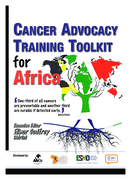
One of the most important ways we feel we can help to reduce the burden of cancer in Africa is to work with African cancer advocacy organisations to help educate and advocate about cancer in their countries. To this end in 2010 we designed with our partners, 13 posters for use in Africa
giving heal...

This purpose of this guide is to inform robust evaluations of the WHO training package – a package aimed at personnel whose primary role in health-care facilities is environmental cleaning, hereafter referred to as cleaners.
The WHO training package – Environmental cleaning and infection prev...

3 June 2021. After 40 years of AIDS, charting a course to end the pandemic.
The report shows that countries with progressive laws and policies and strong and inclusive health systems have had the best outcomes against HIV. In those countries, people living with and affected by HIV are more likely t...
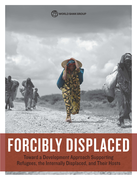
The report depicts the reality of forced displacement as a developing world crisis with implications for sustainable growth: 95 percent of the displaced live in developing countries and over half are in displacement for more than four years. To help the displaced, the report suggests ways to rebuild...
WHO Package of Essential NCD interventions will help to improve the coverage of appropriate services for people with NCDs services in primary care settings. The HEARTS technical package provides a strategic approach to improving cardiovascular health in countries in primary care settings.

Providing quality, stigma-free services is essential to equitable health care for all and achieving global HIV goals and broader Sustainable Development Goals related to health. Every person has the right to the highest attainable standard of physical and mental health. Countries have a legal obliga...
he WHO Guidelines on Integrated Care for Older People (ICOPE) propose evidence-based recommendations for health care professionals to prevent, slow or reverse declines in the physical and mental capacities of older people. These recommendations require countries to place the needs and preferences of...
The Global Antibiotic Resistance Partnership (GARP) aims to address the challenge of antibiotic resistance by developing actionable Policy Proposals in Vietnam and four other low- and middle-income countries: China, India, Kenya and South Africa. GARP will develop the evidence base for Policy action...
