
Filter
5939
Filtered Results: 5939
Text search:
young
children
Featured
Recommendations
474
New Publications
1545
Language
Document type
No document type
3609
Studies & Reports
930
Guidelines
609
Manuals
248
Strategic & Response Plan
157
Training Material
127
Fact sheets
119
Situation Updates
53
Infographics
29
Resource Platforms
26
Brochures
24
Videos
5
Online Courses
2
App
1
Countries / Regions
Global
262
India
245
Kenya
172
Ethiopia
128
South Africa
122
Uganda
118
Sierra Leone
115
Nepal
112
Myanmar / Burma
112
Nigeria
103
Tanzania
97
Syria
96
Zambia
96
Western and Central Europe
95
Bangladesh
95
Malawi
92
Liberia
91
Rwanda
86
Africa
73
Philippines
63
Namibia
63
Latin America and the Carribbean
61
Ghana
56
Ukraine
54
Congo, Democratic Republic of
50
South Sudan
49
Indonesia
47
Zimbabwe
46
Lesotho
45
Mozambique
40
Germany
37
Eastern Europe
37
Cambodia
36
Asia
35
Russia
35
Yemen
34
Burkina Faso
31
Senegal
30
Haiti
30
South–East Asia Region
29
Guinea
25
Eastern Europe and Central Asia
24
Botswana
24
Middle East and North Africa
22
Lebanon
22
East and Southern Africa
21
Brazil
21
Venezuela
19
Central African Republic
18
Pakistan
18
Cameroon
17
Eswatini/ Swaziland
17
Jordan
16
Sudan
16
Colombia
14
Afghanistan
14
West and Central Africa
14
Somalia
14
Vietnam
13
Albania
12
China
11
Paraguay
11
Argentina
11
Tajikistan
10
Moldova
10
Peru
9
USA
9
Sri Lanka
9
Thailand
8
Western Pacific Region
8
Mali
8
Iraq
8
Madagascar
8
Benin
7
Laos
7
Papua New Guinea
7
Mexico
6
Turkey
6
Palestine
6
Serbia
5
Angola
5
North Macedonia
4
Timor Leste/ East Timor
4
Togo
4
Burundi
4
Armenia
4
Spain
4
Egypt
4
Romania
4
Chile
3
Iran
3
Canada
3
Singapore
3
Estonia
3
Niger
3
Guinea-Bissau
3
Southern Africa
3
Côte d’Ivoire / Ivory Coast
3
Georgia
3
Poland
3
Libya
3
Guatemala
3
Switzerland
2
Kazakhstan
2
Fiji
2
Kyrgyzstan
2
Uzbekistan
2
Malaysia
2
Bulgaria
2
Hungary
2
Lithuania
2
Turkmenistan
2
Japan
2
France
2
United Kingdom
2
Portugal
2
Azerbaijan
2
Bolivia
2
Chad
2
Ecuador
2
El Salvador
1
Gambia
1
Morocco
1
Italy
1
Croatia
1
Ireland
1
Saudi Arabia
1
North America
1
Gabon
1
Tunisia
1
Belarus
1
Bosnia and Herzegovina
1
Latvia
1
Oman
1
Nicaragua
1
Slovakia
1
Greece
1
Honduras
1
Bhutan
1
Authors & Publishers
Publication Years
Category
Countries
2292
Women & Child Health
439
Clinical Guidelines
384
Public Health
276
Key Resources
262
Capacity Building
163
Pharmacy & Technologies
11
Annual Report MEDBOX
1
Toolboxes
Mental Health
654
HIV
580
COVID-19
395
Disability
345
TB
215
Conflict
191
Planetary Health
171
Refugee
161
Caregiver
131
NTDs
126
NCDs
115
Ebola & Marburg
102
Global Health Education
101
Malaria
66
Natural Hazards
64
Rapid Response
57
AMR
48
Pharmacy
40
Health Financing Toolbox
37
Cholera
36
Social Ethics
30
Polio
19
2.0 Rapid Response
18
Zika
16
Specific Hazards
12
South Sudan
2
AACAP OFFICIAL ACTION | This Practice Parameter identifies best approaches to the assessment and management of children and adolescents across all phases of a disaster. Delivered within a disaster system of care, many interventions are appropriate for implementation in the weeks and months after a d...
Vitamin A supplementation (VAS) programs targeted at children aged 6–59 months are implemented in many countries. By improving immune function, vitamin A (VA) reduces mortality associated with measles, diarrhea, and other illnesses. There is currently a debate regarding the relevance of VAS, but a...
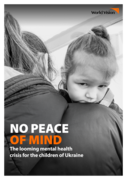
Children’s mental health is top concern for Ukrainian parents, new World Vision report finds; Studies show 22 per cent of people in conflict zones suffer mental disorders; Prevention programs must be urgently prioritised

All young people, including those with special needs and from the most vulnerable groups, have the right to quality health care services. Unfortunately, this right is not a reality, particularly in the case of sexual and reproductive health services. Many youth in need of sexual and reproductive hea...
Education of children with disabilities in India and Pakistan: An analysis of developments since 2000 | Background paper prepared for the Education for All Global Monitoring Report 2015 | Education for All 2000-2015: achievements and challenges
The protection of children and educational facilities is particularly important. Precautions are necessary to prevent the potential spread of COVID-19 in school settings; however, care must also be taken to avoid stigmatizing students and staff who may have been exposed to the virus. It is important...
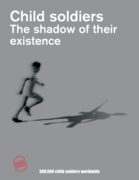
This report outlines the known problems of child soldiers and the different forms of recruiting. The report zooms in on the Colombia situation and the motives with which Colombian children join these armed groups. Finally there's a list of actions that can be taken to change this situation and the c...
These guidelines provide new and updated recommendations on the use of point-of-care testing in children under 18 months of age and point-of-care tests to monitor treatment in people living with HIV; the treatment monitoring algorithm; and timing of antiretroviral therapy (ART) among people living w...
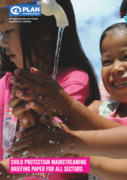
“All sectors of humanitarian response are critical to providing an adequate and holistic response for children who have survived different types of violence, exploitation, abuse and neglect. Following the immediate humanitarian response, all humanitarian sectors have an important contribution to m...
Children malnutrition eradication in developing countries is a real challenge, especially among
vulnerable population. There are so many effort towards women (who are the main care providers)
socio-economic situation in order to improve their children nutrition. This article aims to identify the
...
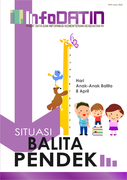
Situation of Children with Short Stature in Indonesia
The environment in which young people live, learn and play significantly affects their decisions about whether to consume alcohol. Environmental factors are the main risk factors driving alcohol consumption and related harm among young people. Environments that normalize alcohol consumption – term...
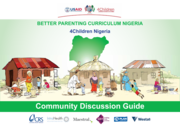
ts goals are to ensure that:
Children and parents experience fewer conflicts;
Parents make better decisions about the care of their children and are better able to solve problems; and
Children feel more supported by their families to further their education and make good decisions a...
This monograph presents 12 reports of successful programs serving children with special needs in various nations. The program locations and the program report titles and authors are as follows: (1) Austria: "Integration Models for Elementary and Secondary Schools in Austria" (Volker Rutte)...
The technical note calls for raising awareness among practitioners and policymakers about the importance of strong tobacco control measures for protecting the health and development of children, including banning tobacco advertising, implementing 100% smoke-free environments and raising taxes on tob...
UNICEF Annual Report 2017 - Burkina Faso
- Healthcare policy for children
- Food insecurity
- Community health strategy
- National child protection system
etc.
Q4: Should community based rehabilitation be offered to children with intellectual disabilities?
The use of Delamanid and Bedaquiline for Children with Drug-Resistant Tuberculosis.
Curricula and Educational Materials to
Help Young People Achieve Better Sexual
and Reproductive Health
