
Filter
8249
Filtered Results: 8249
Text search:
medical
response
Featured
Recommendations
813
New Publications
2058
Language
Document type
No document type
4397
Studies & Reports
1392
Guidelines
1187
Manuals
456
Strategic & Response Plan
343
Fact sheets
173
Training Material
133
Situation Updates
115
Resource Platforms
23
Infographics
15
Brochures
9
Online Courses
5
Dashboards/Maps
1
Countries / Regions
Global
338
India
331
Kenya
237
Sierra Leone
190
South Africa
176
Liberia
164
Western and Central Europe
156
Nigeria
143
Ethiopia
142
Syria
137
Uganda
135
Nepal
131
Myanmar / Burma
122
Bangladesh
119
Africa
117
Tanzania
112
Ukraine
111
Zambia
111
Latin America and the Carribbean
107
Congo, Democratic Republic of
104
Malawi
102
Rwanda
96
Ghana
92
Indonesia
81
Namibia
76
Philippines
68
South Sudan
66
Guinea
65
Eastern Europe
60
Mozambique
58
Zimbabwe
57
West and Central Africa
55
Russia
54
South–East Asia Region
51
East and Southern Africa
51
Yemen
50
Brazil
49
Lesotho
48
Haiti
48
Venezuela
47
Senegal
46
Asia
46
Middle East and North Africa
45
Cambodia
42
Germany
40
Colombia
32
Burkina Faso
32
Eastern Europe and Central Asia
31
Lebanon
26
Botswana
26
Pakistan
26
Afghanistan
24
Eswatini/ Swaziland
23
Jordan
22
Central African Republic
20
Cameroon
19
Western Pacific Region
19
Mali
19
Thailand
18
China
17
Sudan
17
Somalia
17
USA
16
Vietnam
16
Iraq
15
Madagascar
15
Argentina
14
Moldova
14
Tajikistan
13
Turkey
12
Angola
12
Peru
11
Côte d’Ivoire / Ivory Coast
11
Chile
10
Laos
10
Paraguay
10
Sri Lanka
10
Benin
9
Iran
9
Albania
9
Georgia
9
Chad
9
North Macedonia
8
Togo
8
Greece
8
Palestine
8
Libya
8
Burundi
7
Ecuador
7
Kazakhstan
6
Niger
6
North America
6
United Kingdom
6
Papua New Guinea
6
Romania
6
Poland
6
Mexico
5
Kyrgyzstan
5
Armenia
5
Guinea-Bissau
5
Hungary
5
Portugal
5
Southern Africa
5
Egypt
5
Timor Leste/ East Timor
4
Fiji
4
Saudi Arabia
4
Jamaica
4
Bolivia
4
Honduras
4
El Salvador
3
Serbia
3
Gambia
3
Estonia
3
Turkmenistan
3
Japan
3
Mauritius
3
Spain
3
Bhutan
3
Guatemala
3
Canada
2
Singapore
2
Uzbekistan
2
Morocco
2
Qatar
2
Bulgaria
2
Italy
2
Dominican Republic
2
Croatia
2
Lithuania
2
France
2
Belarus
2
Nicaragua
2
Slovakia
2
Switzerland
1
Australia
1
Congo-Brazzaville
1
Malaysia
1
Vanuatu
1
Mongolia
1
Mauritania
1
Ireland
1
Gabon
1
Uruguay
1
Denmark
1
Maldives
1
Tunisia
1
Norway
1
Morocco
1
Israel
1
Belize
1
Costa Rica
1
Panama
1
Djibouti
1
Authors & Publishers
Publication Years
Category
Countries
3119
Clinical Guidelines
570
Key Resources
451
Public Health
387
Women & Child Health
385
Capacity Building
145
Pharmacy & Technologies
75
Annual Report MEDBOX
3
Toolboxes
COVID-19
966
Mental Health
655
HIV
633
TB
356
Ebola & Marburg
342
Conflict
301
Disability
265
NTDs
222
AMR
222
Caregiver
211
Planetary Health
195
Rapid Response
177
Refugee
154
NCDs
138
Natural Hazards
122
Pharmacy
113
Global Health Education
108
2.0 Rapid Response
93
Health Financing Toolbox
85
Specific Hazards
81
Malaria
74
Cholera
67
Zika
50
Polio
38
Social Ethics
34
Typhoon
7
South Sudan
2

Technical Note on Antimicrobial Resistance
This document reflects UNICEF’s response to the growing global threat of AMR to child survival, growth and development. It identifies UNICEF’s AMR-specific and AMR-sensitive actions in reducing infections, promoting access to and optimal use of antimic...
This policy brief has been developed in response to the contemporary challenge of antibiotic resistance (ABR). ABR poses a formidable threat to global health and sustainable development. It is now increasingly recognized that the systematic neglect of cultural factors is one of the biggest obs...

The present book deals not only with emergency response, but also with measures designed to reduce the impact of disasters on environmental health infrastructure, such as water supply and sanitation facilities. It also aims to strengthen the ability of people to withstand the disruption of their acc...
This report has been prepared in response to informal requests by SIDS Member States and territories for WHO assistance in confronting the stark and dire situation which climate change has created in their countries and the impact it is having on their peoples
JOIN European First Aid Guidelines
recommended
In the event of an accident or medical emergency, First Aid saves lives. Keeping the patient alive and safe until the arrival of expert professional help is a vital part of the chain of care which leads to recovery. The principle of First Aid must be simple skills, clearly taught and capable of bein...
Model Chapter for textbooks for medical students and allied health professionals
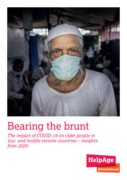
The report shows that older people are not getting the healthcare treatments they desperately need. The COVID-19 response has disrupted services for non-communicable diseases such as cancer and diabetes, communicable diseases such as malaria, and much-needed services for mental health. Combined with...
WHO guidelines for pandemic preparedness and response in the nonhealth sector
Cognizant of the need for standardization of the response for COVID-19, the Federal Ministry of Health prepared this national guideline in an effort to contain the epidemic before it overwhelms the health care facilities. This national guideline is expected to guide policy makers and h...
Background paper 7
The Independent Panel for Pandemic Preparedness and Response
May 2021
Core Knowledge for Emergency Preparedness and Response
The report presents current information (updated to September 2015) on candidate vaccines, therapies and medical devices for Ebola and gives an overview of completed and on-going trials.
The Interagency Emergency Health Kit 2017
recommended
Interagency Guidelines; Medicines and medical devices for 10 000 people for approximately three month.

After the earthquake in Türkiye-Syria in February 2023 an emergency response was provided to the affected population. Young persons with disabilities were one of the social groups most affected by the crisis. These were either young persons who acquired a disability due to the earthquake, or young ...
WHO has a unique combination of technical public health and scientific expertise, and a global operational footprint, with field offices in more than 150 countries. In 2020, this global, technical, and operational reach meant WHO was able to support countries around the world in every aspect of COVI...
Learnings from the COVID-19 evidence response and recommendations for the future.
Reflections and recommendations from the evidence synthesis community.

This document is written for medical doctors, clinical officers, medical assistants, nurses, midwives, health surveillance assistants (HSAs), and medical records clerks who are working in public and private sector health facilities in Malawi. It is designed to be a practical guide for implementation...
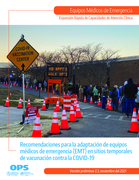
Recommendations for the adaptation of Emergency Medical Teams (EMTs) at temporary sites for COVID-19 vaccination. Draft Version 2.3, November 2021

To support countries in adapting their response to different COVID-19 scenarios, the World Health Organization (WHO) Department of Maternal, Newborn, Child and Adolescent Health and Ageing commissioned this scoping review of published and grey literature. The objective was to identify interventions ...
