
Filter
8074
Filtered Results: 8074
Text search:
children´s
rights
Featured
Recommendations
747
New Publications
2062
Language
Document type
No document type
4530
Studies & Reports
1338
Guidelines
950
Manuals
442
Strategic & Response Plan
294
Fact sheets
189
Training Material
169
Situation Updates
77
Brochures
35
Infographics
26
Resource Platforms
16
Online Courses
4
Videos
3
App
1
Countries / Regions
Global
374
India
302
Kenya
229
Ethiopia
161
Nepal
156
South Africa
149
Uganda
149
Myanmar / Burma
146
Sierra Leone
141
Syria
130
Nigeria
130
Western and Central Europe
127
Bangladesh
127
Liberia
126
Zambia
115
Tanzania
110
Latin America and the Carribbean
106
Malawi
103
Africa
99
Ukraine
96
Rwanda
95
Ghana
84
Namibia
78
Philippines
72
Congo, Democratic Republic of
70
South Sudan
68
Indonesia
58
Lesotho
53
Cambodia
52
Germany
51
South–East Asia Region
51
Yemen
49
Asia
47
Venezuela
47
Zimbabwe
46
Eastern Europe
45
Mozambique
43
Senegal
38
Haiti
36
Guinea
35
Eastern Europe and Central Asia
35
Lebanon
34
West and Central Africa
33
Middle East and North Africa
31
East and Southern Africa
30
Russia
30
Afghanistan
29
Pakistan
27
Brazil
26
Botswana
25
Jordan
24
Central African Republic
24
Cameroon
22
Sudan
22
Somalia
21
Burkina Faso
20
Colombia
19
Iraq
19
Eswatini/ Swaziland
19
Vietnam
17
Moldova
16
China
15
Thailand
14
Western Pacific Region
14
Tajikistan
13
Laos
13
Mali
13
Albania
12
Turkey
10
Iran
10
Sri Lanka
10
Greece
10
Peru
9
Papua New Guinea
9
Georgia
9
Madagascar
9
USA
8
Paraguay
8
Palestine
8
North America
7
Romania
7
Angola
7
Timor Leste/ East Timor
6
Benin
6
Argentina
6
Egypt
6
Poland
6
Libya
6
Serbia
5
Kazakhstan
5
Kyrgyzstan
5
Uzbekistan
5
Armenia
5
Turkmenistan
5
Portugal
5
Southern Africa
5
North Macedonia
4
Mexico
4
Togo
4
Malaysia
4
Guinea-Bissau
4
Hungary
4
Spain
4
Côte d’Ivoire / Ivory Coast
4
Bolivia
4
Bhutan
4
Chile
3
Canada
3
Niger
3
Burundi
3
Italy
3
Croatia
3
Saudi Arabia
3
Japan
3
Belarus
3
Bosnia and Herzegovina
3
Honduras
3
Ecuador
3
Guatemala
3
North Korea
2
Switzerland
2
Gambia
2
Fiji
2
Singapore
2
Estonia
2
Mongolia
2
Bulgaria
2
Lithuania
2
Jamaica
2
Mauritius
2
United Kingdom
2
Azerbaijan
2
Israel
2
Slovakia
2
Chad
2
El Salvador
1
Vanuatu
1
Morocco
1
Qatar
1
Dominican Republic
1
Ireland
1
Tunisia
1
Nicaragua
1
Djibouti
1
Solomon Islands
1
Authors & Publishers
Publication Years
Category
Countries
2877
Clinical Guidelines
584
Women & Child Health
572
Key Resources
504
Public Health
400
Capacity Building
206
Pharmacy & Technologies
46
Annual Report MEDBOX
3
Toolboxes
Mental Health
669
HIV
650
COVID-19
627
Disability
529
TB
327
Conflict
321
Refugee
270
Planetary Health
241
Caregiver
219
NTDs
209
Ebola & Marburg
163
Global Health Education
151
AMR
119
Natural Hazards
113
Rapid Response
104
NCDs
97
Pharmacy
96
Malaria
86
Health Financing Toolbox
79
2.0 Rapid Response
57
Social Ethics
56
Cholera
43
Polio
43
Zika
36
Specific Hazards
35
Typhoon
5
South Sudan
2
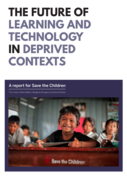
This report addresses the future of basic education, ICT use in deprived locations, and the use of ICTs in primary school learning in 2020 and 2025, especially in deprived contexts. It draws on research evidence from the literature, the authors’ experiences of ICT use in education initiatives, int...
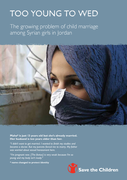
The growing problem of child marriage among Syrian girls in Jordan
This Toolkit is intended to guide humanitarian programme managers and healthcare providers to ensure that sexual and reproductive health interventions put into place both during and after a crisis are responsive to the unique needs of adolescents.
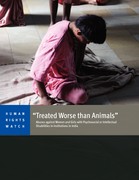
Abuses against Women and Girls with Psychosocial or Intellectual Disabilities in institutions in India
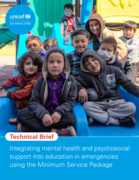
The aim of the Technical Brief is to offer guidance to education professionals on how to integrate Mental Health and Psychosocial Support into Education in Emergencies programming. An overview of Mental Health and Psychosocial Support activities that can be implemented in Education in Emergencies co...

The Ministry of Education, Arts and Culture (MoEAC) has been implementing the Integrated School Health Programme in various forms since before the country attained political independence in 1990. School health goes beyond the physical health of the learner, in that it includes the holistic wellbeing...

On Global Handwashing Day, WHO and UNICEF have released the first-ever global Guidelines on Hand Hygiene in Community Settings to support governments and practitioners in promoting effective hand hygiene outside health care – across households, public spaces and institutions. Framing hand hygiene ...
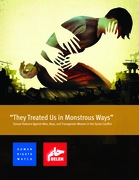
“They Treated Us in Monstrous Ways”.
Since the Syrian conflict began in March 2011, men and boys and transgender women have been subjected to rape and other forms of sexual violence by the Syrian government and non-state armed groups, including the extremist armed group Islamic State (also kno...
Failure to Credibly Investigate and Provide Redress for Unlawful Attacks in Yemen
On February 29, 2020, the United States and the Taliban signed an agreement outlining a phased withdrawal of US forces from Afghanistan in exchange for Taliban commitments not to allow attacks on the US or its allies from Afghan territory. The troop withdrawal is expected to take place in parallel w...
