
Filter
10046
Filtered Results: 10046
Text search:
healthcare
providers
Featured
Recommendations
913
New Publications
2539
Language
Document type
No document type
5339
Studies & Reports
1729
Guidelines
1330
Manuals
551
Strategic & Response Plan
375
Fact sheets
267
Training Material
209
Situation Updates
112
Resource Platforms
41
Infographics
36
Brochures
30
Online Courses
20
Videos
6
App
1
Countries / Regions
Global
460
India
439
Kenya
302
South Africa
246
Sierra Leone
233
Ethiopia
211
Liberia
209
Nigeria
200
Uganda
192
Nepal
180
Western and Central Europe
174
Zambia
152
Africa
150
Myanmar / Burma
149
Rwanda
146
Tanzania
145
Malawi
139
Bangladesh
139
Syria
133
Ghana
129
Latin America and the Carribbean
124
Ukraine
109
Namibia
108
Congo, Democratic Republic of
89
Philippines
84
Zimbabwe
67
Cambodia
66
South–East Asia Region
63
West and Central Africa
62
Lesotho
61
East and Southern Africa
60
South Sudan
60
Guinea
59
Eastern Europe
58
Asia
56
Senegal
54
Haiti
54
Mozambique
52
Middle East and North Africa
49
Indonesia
48
Burkina Faso
43
Germany
42
Yemen
42
Venezuela
39
Brazil
37
Russia
37
Botswana
37
Eastern Europe and Central Asia
35
Colombia
29
Cameroon
29
Lebanon
28
Pakistan
27
Afghanistan
26
Eswatini/ Swaziland
25
Sudan
23
USA
21
Western Pacific Region
20
Vietnam
20
Mali
20
Jordan
19
Benin
18
Somalia
18
Thailand
17
Central African Republic
17
China
15
Moldova
14
Tajikistan
13
Peru
13
Sri Lanka
13
Iraq
13
North America
12
Georgia
12
Madagascar
12
Turkey
11
Albania
11
Laos
11
Côte d’Ivoire / Ivory Coast
11
Papua New Guinea
10
United Kingdom
9
Palestine
9
Libya
9
Ecuador
9
North Macedonia
7
Mexico
7
Iran
7
Paraguay
7
Jamaica
7
Southern Africa
7
Argentina
7
Greece
7
Poland
7
Angola
7
Kazakhstan
6
Chile
6
Kyrgyzstan
6
Niger
6
Burundi
6
Guinea-Bissau
6
Romania
6
Timor Leste/ East Timor
5
Serbia
5
Togo
5
Armenia
5
Hungary
5
Spain
5
Bolivia
5
Bhutan
5
El Salvador
4
Gambia
4
Canada
4
Uzbekistan
4
Turkmenistan
4
Japan
4
Portugal
4
Egypt
4
Chad
4
Guatemala
4
Switzerland
3
Fiji
3
Singapore
3
Morocco
3
Ireland
3
Saudi Arabia
3
Mauritius
3
Tunisia
3
Estonia
2
Bulgaria
2
Italy
2
Dominican Republic
2
Croatia
2
Lithuania
2
Gabon
2
Azerbaijan
2
Belarus
2
Israel
2
Bosnia and Herzegovina
2
Nicaragua
2
Slovakia
2
Honduras
2
North Korea
1
Congo-Brazzaville
1
Malaysia
1
Austria
1
Mongolia
1
Qatar
1
Mauritania
1
Denmark
1
France
1
Maldives
1
Norway
1
Algeria
1
French Guyana
1
Latvia
1
Belize
1
Costa Rica
1
Panama
1
Djibouti
1
Authors & Publishers
Publication Years
Category
Countries
3797
Clinical Guidelines
683
Public Health
535
Women & Child Health
534
Key Resources
505
Capacity Building
221
Pharmacy & Technologies
90
Annual Report MEDBOX
2
Toolboxes
COVID-19
965
HIV
790
Mental Health
754
TB
474
Ebola & Marburg
356
Disability
354
Caregiver
353
Conflict
298
AMR
270
Planetary Health
260
NTDs
248
Refugee
217
NCDs
211
Rapid Response
174
Pharmacy
169
Global Health Education
151
Health Financing Toolbox
137
Malaria
108
Natural Hazards
100
2.0 Rapid Response
94
Zika
76
Cholera
68
Social Ethics
60
Specific Hazards
53
Polio
39
Typhoon
4
South Sudan
1

Cureus 2024 Jan 16;16(1):e52358. doi: 10.7759/cureus.52358

Indicators for monitoring the 2016 United Nations Political Declaration on Ending AIDS
UNAIDS supports countries to collect information on their national HIV responses through the Global AIDS Monitoring (GAM) framework—an annual collection of 72 indicators on the response to HIV in a country....
UNAIDS supports countries to collect information on their national HIV responses through the Global AIDS Monitoring (GAM) framework—an annual collection of 72 indicators on the response to HIV in a country....


accessed Febr. 6, 2020

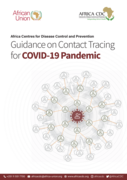
Contact tracing may help limit COVID-19 transmission when the first cases are identified within a country but can be very resource intensive.
It is likely not to be feasible when community transmission is occurring and cases outside known transmission chains increase greatly.
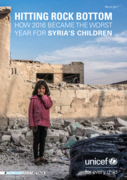
How 2016 became the worst year for Syria's children
What measures can we take to overcome the corona crisis, limit its consequences or use scarce resources efficiently? Every day we experience uncertainties and contradictions on these questions among scientists, health experts, politicians and in society. We must all strive for a broad consensus to o...

Malaria vaccines: the 60‑year journey of hope and final success—lessons learned and future prospects
Tropical Medicine and Health (2023) 51:29
Getting back on track to cutting malaria by 90% could boost African economies by $127bn by 2030. This important new report shows we can save lives, boost economies and trade, creating a healthier world

20 YEARS OF STRATEGIC HIV AND PUBLIC HEALTH DATA . beThe completion of the 6th South African National HIV Prevalence, Incidence and Behaviour Survey (SABSSM) report, coincides with the celebration of 30 years of democracy in South Africa; and marks 20 years of conducting nationally representative ho...

Researcher: Sophiko Gogochashvili
Co researchers: Manana Sologashvili, Maka Gogia, Maka Revishvili
Nongovernmental organization "Hepa plus"
2017
This policy brief examines the implications of COVID-19 and the government’s preventative measure for political stability,9 especially in the short to medium term. It argues that in the short term the disease and the preventative measures could make the country less vulnerable to organised politic...
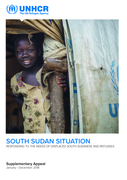
The refugee exodus from South Sudan continues at an alarming rate, even as the crisis is entering its fifth year. Close to 2.4 million South Sudanese have fled to neighbouring countries mostly to Uganda—the largest host country in sub-Saharan Africa—followed by Sudan, Ethiopia, Kenya, the Democr...
The COVID-19 outbreak has restricted global mobility, whilst heightening the risk of exploitation of vulnerable populations. This report provides a snapshot of the COVID-19 epidemiological situation and mobility restrictions, and of the current migration trends along the Eastern Corridor migration r...
Sub-Saharan African Journal of Medicine: Year : 2014 | Volume : 1 | Issue : 1 | Page : 1-14
