
Filter
12548
Filtered Results: 12548
Text search:
counties
Featured
Recommendations
995
New Publications
2824
Language
Document type
No document type
6263
Studies & Reports
2605
Guidelines
1469
Manuals
599
Fact sheets
473
Strategic & Response Plan
447
Training Material
223
Situation Updates
149
Resource Platforms
124
Infographics
91
Online Courses
34
Brochures
32
Videos
26
Dashboards/Maps
10
App
3
Countries / Regions
Global
718
India
359
Kenya
340
Ethiopia
245
Western and Central Europe
238
Latin America and the Carribbean
227
Liberia
224
Africa
219
Nigeria
218
Sierra Leone
215
South Africa
199
Uganda
191
Nepal
187
Myanmar / Burma
168
Rwanda
156
Syria
152
Bangladesh
148
Ukraine
146
Malawi
146
Tanzania
145
Zambia
134
Ghana
128
Congo, Democratic Republic of
125
Namibia
108
South Sudan
101
Eastern Europe
96
Senegal
94
Guinea
92
Haiti
86
Philippines
84
West and Central Africa
84
South–East Asia Region
84
East and Southern Africa
84
Asia
80
Russia
75
Lesotho
74
Zimbabwe
73
Indonesia
73
Burkina Faso
72
Germany
72
Middle East and North Africa
72
Brazil
71
Mozambique
70
Venezuela
69
Cambodia
67
Yemen
62
Colombia
60
Cameroon
57
Afghanistan
48
Mali
47
Eastern Europe and Central Asia
46
Benin
43
Botswana
43
Pakistan
43
Central African Republic
37
Sudan
35
Vietnam
33
Côte d’Ivoire / Ivory Coast
30
Somalia
30
Madagascar
30
Lebanon
29
Eswatini/ Swaziland
29
Thailand
28
China
27
Western Pacific Region
26
Jordan
23
Tajikistan
22
Niger
20
Peru
20
Moldova
20
Togo
19
North America
19
Turkey
18
Sri Lanka
18
Angola
18
Laos
17
Paraguay
17
Argentina
17
Iraq
17
Chile
16
Albania
16
Chad
16
USA
15
Iran
14
Guinea-Bissau
14
Egypt
13
Palestine
13
Ecuador
13
Mexico
12
Burundi
12
Greece
12
Kyrgyzstan
11
Georgia
11
Libya
11
North Macedonia
10
Southern Africa
10
Bolivia
10
Papua New Guinea
10
El Salvador
9
Italy
9
Gambia
8
Malaysia
8
Armenia
8
Honduras
8
Guatemala
8
Kazakhstan
7
Saudi Arabia
7
France
7
Spain
7
Djibouti
7
Romania
7
Poland
7
Timor Leste/ East Timor
6
Serbia
6
Congo-Brazzaville
6
Morocco
6
Hungary
6
Jamaica
6
Portugal
6
Canada
5
Uzbekistan
5
Turkmenistan
5
United Kingdom
5
Belarus
5
Nicaragua
5
North Korea
4
Switzerland
4
Estonia
4
Dominican Republic
4
Croatia
4
Japan
4
Belgium
4
Tunisia
4
Singapore
3
Mauritania
3
Gabon
3
Uruguay
3
Mauritius
3
Bosnia and Herzegovina
3
Mongolia
2
Qatar
2
Bulgaria
2
Lithuania
2
Ireland
2
Luxembourg
2
Denmark
2
Maldives
2
South Korea
2
Azerbaijan
2
Israel
2
Slovakia
2
Bhutan
2
Solomon Islands
2
Australia
1
Fiji
1
Vanuatu
1
Cape Verde
1
Norway
1
Morocco
1
French Guyana
1
Latvia
1
Slovenia
1
Belize
1
Costa Rica
1
Eritrea
1
Panama
1
Cuba
1
Authors & Publishers
Publication Years
Category
Countries
4159
Clinical Guidelines
816
Public Health
693
Key Resources
688
Women & Child Health
627
Capacity Building
218
Pharmacy & Technologies
113
Annual Report MEDBOX
3
Toolboxes
COVID-19
1264
HIV
939
Mental Health
923
TB
638
Disability
506
Planetary Health
504
NTDs
472
Ebola & Marburg
401
Conflict
361
AMR
339
NCDs
337
Caregiver
304
Refugee
287
Health Financing Toolbox
267
Rapid Response
247
Global Health Education
240
Pharmacy
192
Malaria
179
Natural Hazards
161
2.0 Rapid Response
128
Zika
107
Cholera
83
Polio
83
Social Ethics
63
Specific Hazards
52
Typhoon
5
South Sudan
3
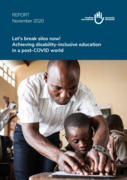
Humanity & Inclusion has published a report on November 20, on the difficulties children with disabilities face in accessing education in the world’s poorest countries.
Asthma is the most common non-communicable disease in children and remains one of the most common throughout the life course. The great majority of the burden of this disease is seen in low-income and middle-income countries (LMICs), which have disproportionately high asthma-related mortality relati...
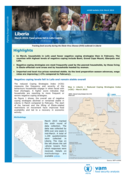
In March, households in Lofa used fewer negative coping strategies than in February. The counties with highest levels of negative coping include Bomi, Grand Cape Mount, Gbarpolu and Lofa.
Negative coping strategies are most frequently used by the poorest households, by those living in Ebola...
This report presents the key findings of the end-of-project assessment of households and
community health volunteers, conducted in 2017 in the Kamukunji and Embakasi sub-counties
of Nairobi, Kenya, for a Community Health Volunteers’ Decision Support System (CHV DSS)
intervention project. The re...
Air pollution is one of the leading causes of health complications and mortality worldwide, especially affecting lower-income groups, who tend to be more exposed and vulnerable. This study documents the relationship between ambient air pollution exposure and poverty in 211 countries and territories....
This study looked at structural risk factors to COVID-19 that existed before the outbreak and may have direct and indirect effects on COVID-19 risk across all the 47 counties in Kenya. These factors are COVID-19 exposure and vulnerability and lack of adaptive capacity to COVID-19.
Tanzania is prone to refugee influxes, often of long duration. Despite facing its own economic challenges, for decades Tanzania has welcomed thousands of refugees fleeing conflicts in neighboring countries of Great Lakes Region. The counties geographic proximity to the strifetorn Congo Basin is resp...
Results from a High Frequency Cell Phone Survey November 19, 2014
Ebola has substantially impacted all sectors of employment in the Liberian economy, in both affected and non-affected counties, according to the most recent round of mobile phone surveys conducted by the World Bank Group in partnersh...
The coronavirus outbreak that began in 2019 (COVID-19) threatens to reverse years of hard-won gains in preventing and treating HIV. Fragile health systems are further stressed as health workers navigate an increased client load and demands at work while also being concerned for their own health and ...

A Focus on the Journey to Self-Reliance for Preventing Child and Maternal Deaths . June 2018
The 2018 Acting on the Call report focuses on 25 countries’ journeys to self-reliance for preventing child and maternal deaths. Self-reliance is a country’s ability to finance and implement solution...
The 2018 Acting on the Call report focuses on 25 countries’ journeys to self-reliance for preventing child and maternal deaths. Self-reliance is a country’s ability to finance and implement solution...
This article describes WHO's efforts to combat a cholera outbreak in South Sudan in July 2017. The organization received 500,000 doses of oral cholera vaccine (OCV) and was working with South Sudan's Ministry of Health to launch a vaccination campaign from July 28 to August 3, 2017. At the time, the...

2nd edition. The purpose of this document is to present updated standardized protocols that P. falciparum-endemic countries can use to determine the prevalence of parasites with pfhrp2/3 gene deletions causing negative HRP2 RDT results among symptomatic falciparum patients. The findings should be us...

The annual bulletin of the Mekong Malaria Elimination (MME) programme is a yearly report that reviews ongoing efforts to combat multidrug resistance and eliminate malaria in the 6 countries of the Greater Mekong subregion (GMS): Cambodia, China (Yunnan province), Lao People's Democratic Republic, My...
One of the many gender inequities in the health and care workforce that COVID-19 has exposed is around the fit and design of Personal Protective Equipment (PPE). The rapid onset and scale of COVID-19 led to shortages of PPE in most countries, causing preventable infection and mortality among healthc...
Beat the heat: child health amid heatwaves in Europe and Central Asia finds that half of these children died from heat-related illnesses in their first year of life. Most children died during the summer months.
"Around half of children across Europe and Central Asia – or 92 million children –...
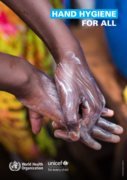
Three billion people – 40 per cent of the world’s population – do not have a place in their homes to wash their hands with water and soap. Three quarters of those who lack access to water and soap live in the world’s poorest countries and are amongst the most vulnerable: children and familie...
Kenya has great potential for enhancing education for individuals with intellectual disabilities. The fact that it has recognized the need to care for learners with special needs is commendable. In comparison to many African countries, Kenya and Nigeria are ahead in developing programs for special e...
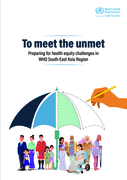
Health inequities are unjust and avoidable systematic differences in the health status and access to health resources of
different population groups. Health inequity manifests itself at all levels as differences across countries, within countries, between communities, and within population groups. ...
The WHO Global Health Estimates show that nearly half a million deaths (493 471) occurred in the WHO European Region due to violence and injuries in 2016. This represents a decline of 29% from 2000. Injuries account for 5.3% of all deaths and 9.6 of all years of life lost. They are a leading cause o...
The objective of this project was to list the medical devices required to provide the essential reproductive, maternal, newborn and child health interventions defined by existing WHO guidelines and publications, in order to improve access to these devices in low- and middle-income countries, support...
