
Filter
12327
Filtered Results: 12327
Text search:
addiction
Featured
Recommendations
1015
New Publications
3079
Language
Document type
No document type
6681
Studies & Reports
2247
Guidelines
1464
Manuals
642
Strategic & Response Plan
416
Fact sheets
331
Training Material
242
Situation Updates
152
Resource Platforms
55
Infographics
43
Brochures
34
Online Courses
12
Videos
6
App
2
Countries / Regions
India
555
Global
549
Kenya
329
Ethiopia
253
South Africa
249
Sierra Leone
248
Nigeria
230
Uganda
227
Liberia
223
Nepal
212
Western and Central Europe
210
Myanmar / Burma
208
Malawi
172
Bangladesh
171
Rwanda
170
Syria
169
Tanzania
168
Zambia
168
Africa
166
Latin America and the Carribbean
155
Ukraine
148
Ghana
142
Congo, Democratic Republic of
131
Namibia
111
Philippines
106
South Sudan
93
Zimbabwe
84
Eastern Europe
78
Cambodia
76
Guinea
75
Senegal
74
Mozambique
74
West and Central Africa
72
East and Southern Africa
72
Indonesia
72
Lesotho
71
South–East Asia Region
68
Asia
64
Haiti
63
Germany
62
Yemen
61
Venezuela
53
Middle East and North Africa
53
Burkina Faso
50
Brazil
49
Russia
49
Afghanistan
43
Botswana
43
Pakistan
43
Cameroon
40
Eastern Europe and Central Asia
38
Colombia
37
Mali
34
Lebanon
32
Central African Republic
32
Eswatini/ Swaziland
31
Benin
29
Somalia
29
Jordan
28
Sudan
26
Vietnam
25
Thailand
23
Côte d’Ivoire / Ivory Coast
22
Iraq
21
Western Pacific Region
20
Tajikistan
19
China
19
USA
19
Madagascar
19
Turkey
16
Moldova
16
Laos
15
Peru
15
Sri Lanka
14
Palestine
14
Albania
13
Niger
13
Georgia
13
Iran
12
North America
12
Chile
11
Angola
11
North Macedonia
10
Libya
10
Kyrgyzstan
9
Burundi
9
Paraguay
9
Argentina
9
Greece
9
Chad
9
Togo
8
Malaysia
8
Southern Africa
8
Papua New Guinea
8
Kazakhstan
7
Armenia
7
Portugal
7
Egypt
7
Ecuador
7
Timor Leste/ East Timor
6
Mexico
6
El Salvador
6
Serbia
6
Uzbekistan
6
United Kingdom
6
Spain
6
Bolivia
6
Honduras
6
Bhutan
6
Gambia
5
Guinea-Bissau
5
Hungary
5
Turkmenistan
5
Jamaica
5
Belarus
5
Poland
5
Guatemala
5
Switzerland
4
Canada
4
Fiji
4
Morocco
4
Italy
4
Dominican Republic
4
Japan
4
Singapore
3
Estonia
3
Vanuatu
3
Croatia
3
Ireland
3
Saudi Arabia
3
Tunisia
3
Bosnia and Herzegovina
3
Nicaragua
3
Djibouti
3
Romania
3
North Korea
2
Australia
2
Congo-Brazzaville
2
Qatar
2
Bulgaria
2
Lithuania
2
Gabon
2
Uruguay
2
Denmark
2
Belgium
2
France
2
Mauritius
2
Azerbaijan
2
Israel
2
Mauritania
1
Cape Verde
1
Maldives
1
Norway
1
South Korea
1
Algeria
1
Morocco
1
Latvia
1
Belize
1
Costa Rica
1
Guyana
1
Panama
1
Slovakia
1
Solomon Islands
1
Cuba
1
Authors & Publishers
Publication Years
Category
Countries
4463
Clinical Guidelines
800
Key Resources
727
Women & Child Health
613
Public Health
596
Capacity Building
271
Pharmacy & Technologies
117
Annual Report MEDBOX
3
Toolboxes
COVID-19
1095
Mental Health
979
HIV
917
TB
543
Disability
487
Planetary Health
453
Conflict
399
Ebola & Marburg
398
NTDs
356
Caregiver
329
AMR
303
Refugee
275
NCDs
249
Rapid Response
216
Pharmacy
192
Health Financing Toolbox
187
Natural Hazards
185
Global Health Education
182
Malaria
145
2.0 Rapid Response
126
Zika
96
Cholera
90
Specific Hazards
80
Polio
69
Social Ethics
58
Typhoon
11
South Sudan
3
Eaton JW et al. Journal of the International AIDS Society 2019, 22(S1):e25237 http://onlinelibrary.wiley.com/doi/10.1002/jia2.25237/full | https://doi.org/10.1002/jia2.25237
The Lancet Microbe Series Chagas Disease 2 Volume 5, Issue 10100946 October 2024
The steps reassert the sequence of the HPC, with needs analysis directly informing decisions about the response and monitoring, whether for the preparation of new plans or adjustments to existing ones. The steps of the HPC have a rationale and cannot be skipped. However, the depth of work under each...

Handout presentations in PDF for illustrating lectures
Accessed May 2014
Needs assessment is essential for programme planning, monitoring and evaluation, and accountability, however needs assessment is still a critical weakness of humanitarian response. Organisations need to improve how they do assessments. The Assessment Capacities Project (ACAPS) and the Emergency Capa...
The document will provide information for Ministries of Health and hospital sentinel sites on why and how to determine the denominator of at-risk children <5 years of age and rate of meningitis hospitalizations for a sentinel hospital site conducting IB-VPD surveillance. Such a methodology is curren...
UGANDA NATIONAL TUBERCULOSIS AND LEPROSY CONTROL PROGRAMME
The Extending Service Delivery (ESD) project has developed Healthy Timing and Spacing of
Pregnancy: A Trainer’s Reference Guide as a resource for trainers in developing in-service training
for facility-based healthcare providers and community health workers (chws) who already have
some basic ex...
DHS Working Papers No. 90.
Samuel P. Hayes Research Library | hayeslibrary@perkins.org | 617-972-7250 | http://www.perkins.org/researchlibrary
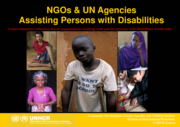
A non-exhaustive reference list of organizations working with and for persons with disabilities world-wide.
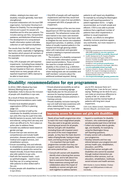
Recommendations on the inclusion of people with disabilities in eye care made by CBM's Medical Eye Care Advisory Group as a result of
a meeting in Hydrabad, India, in 2012.
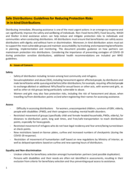
Distributing immediate, lifesaving assistance is one of the most urgent actions in an emergency response and can significantly improve the safety and wellbeing of individuals. Non-Food Items (NFI), Food Security, WASH and Shelter in-kind assistance actors can help reduce and mitigate pr...
Catholic social teaching, integral ecology and sustainable development
Key questions
What is already known?
Critical illness is common throughout the world and COVID-19 has caused a global surge of critically ill patients.
There are large gaps in the quality of care for critically ill patients, especially in low-staffed and low-resourced settings, and mortal...
