
Filter
4036
Filtered Results: 4036
Text search:
Malaria
No
More
Featured
Recommendations
354
New Publications
1289
Language
Document type
No document type
2370
Studies & Reports
702
Guidelines
416
Manuals
202
Strategic & Response Plan
144
Training Material
80
Fact sheets
61
Situation Updates
29
Infographics
15
Resource Platforms
9
Brochures
6
Online Courses
2
Countries / Regions
Global
194
India
191
Kenya
148
Sierra Leone
130
Liberia
116
Uganda
107
Ethiopia
107
Nigeria
106
Malawi
102
Tanzania
100
Rwanda
83
Nepal
81
Zambia
75
Ghana
70
Africa
68
South Africa
65
Myanmar / Burma
65
Bangladesh
56
Namibia
54
Mozambique
48
Latin America and the Carribbean
46
Congo, Democratic Republic of
44
Western and Central Europe
38
Cambodia
35
Zimbabwe
33
Indonesia
33
Asia
32
Philippines
31
South Sudan
31
Senegal
30
South–East Asia Region
29
Lesotho
25
Guinea
23
Haiti
23
Venezuela
23
Cameroon
22
Burkina Faso
22
Eastern Europe
22
East and Southern Africa
21
Botswana
18
West and Central Africa
17
Pakistan
17
Ukraine
16
Colombia
15
Eswatini/ Swaziland
15
Syria
11
Vietnam
11
Yemen
11
Thailand
10
Middle East and North Africa
9
Brazil
9
Mali
9
China
8
Somalia
8
Tajikistan
7
Albania
7
Peru
7
Western Pacific Region
7
Sudan
7
Chad
7
Benin
6
Afghanistan
6
Malaysia
6
Jordan
6
Eastern Europe and Central Asia
6
Paraguay
6
Central African Republic
6
Timor Leste/ East Timor
5
Laos
5
North America
5
Papua New Guinea
5
Sri Lanka
5
Russia
5
Georgia
5
Madagascar
5
Togo
4
Iran
4
Burundi
4
Bolivia
4
Lebanon
4
Egypt
4
Angola
4
North Macedonia
3
Saudi Arabia
3
Japan
3
Côte d’Ivoire / Ivory Coast
3
Argentina
3
Honduras
3
El Salvador
2
Serbia
2
Gambia
2
Singapore
2
Qatar
2
Armenia
2
Dominican Republic
2
Guinea-Bissau
2
Germany
2
Tunisia
2
Southern Africa
2
Guyana
2
Moldova
2
Libya
2
Iraq
2
Switzerland
1
Turkey
1
Chile
1
Niger
1
Morocco
1
Bulgaria
1
Maldives
1
Mauritius
1
South Korea
1
Algeria
1
Belize
1
Costa Rica
1
Oman
1
Panama
1
Nicaragua
1
Djibouti
1
Romania
1
Greece
1
Palestine
1
Bhutan
1
Ecuador
1
Guatemala
1
Authors & Publishers
Publication Years
Category
Countries
1808
Clinical Guidelines
272
Women & Child Health
220
Public Health
217
Key Resources
187
Capacity Building
86
Pharmacy & Technologies
51
Toolboxes
HIV
368
TB
213
COVID-19
181
Malaria
164
Ebola & Marburg
152
NTDs
142
Planetary Health
126
AMR
120
Health Financing Toolbox
97
Pharmacy
90
Caregiver
86
Mental Health
84
Global Health Education
74
Disability
70
Rapid Response
56
Natural Hazards
50
Conflict
48
2.0 Rapid Response
31
Zika
24
NCDs
23
Refugee
22
Cholera
18
Polio
14
Social Ethics
7
Specific Hazards
4
South Sudan
1
Typhoon
1
Climate risks have significant effects on public health including: injury, death, communicable diseases such as vector-borne and water-borne diseases, and non-communicable impacts such as malnutrition, heat stress and health effects of air pollution.
BANGLADESH COMMUNITY HEALTH PROGRAMS

This article provides an overview of the current and projected climate change risks and impacts to mental health and provides recommendations for priority actions to address the mental health consequences of climate change.
Diabetes is a major public health problem. The rising incidence of Diabetes Type 2 is related to the effects of urbanization and unhealthy lifestyles. Research studies show that healthy eating and regular physical activity can prevent or delay the onset of Diabetes Type 2, even in high-risk individu...

The WHO document "Integrating the prevention and control of noncommunicable diseases in HIV/AIDS, tuberculosis, and sexual and reproductive health programmes: implementation guidance" provides a framework for integrating noncommunicable diseases (NCDs) into existing health programs for HIV/AIDS, tub...
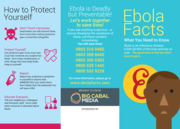
Information leaflet Nigeria
WHO Recommended Surveillance Standards
recommended
Second editon. This document serves only as a guide to good practice and may help to harmonize surveillance activities. The purpose of this manual is to be a handy reference for key elements and contact information for all communicable diseases / syndromes associated with current WHO control program...


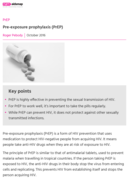
• PrEP is highly effective in preventing the sexual transmission of HIV.
• For PrEP to work well, it’s important to take the pills regularly.
• While PrEP can prevent HIV, it does not protect against other sexually transmitted infections.
