
Filter
3519
Filtered Results: 3519
Text search:
research
agenda
Featured
Recommendations
223
New Publications
917
Language
Document type
No document type
1850
Studies & Reports
815
Guidelines
328
Strategic & Response Plan
222
Manuals
190
Training Material
48
Fact sheets
30
Situation Updates
16
Resource Platforms
11
Infographics
5
Brochures
2
Online Courses
2
Countries / Regions
Global
215
Kenya
120
India
102
Uganda
76
Ethiopia
71
Latin America and the Carribbean
70
Nigeria
65
Africa
65
South Africa
64
Myanmar / Burma
62
Sierra Leone
61
Malawi
57
Nepal
54
Tanzania
54
Liberia
53
Zambia
51
Bangladesh
50
Western and Central Europe
48
Ghana
47
Rwanda
39
Syria
34
Philippines
33
South–East Asia Region
33
Asia
32
Namibia
28
Cambodia
27
Brazil
26
Indonesia
26
Zimbabwe
24
Eastern Europe
22
Mozambique
21
Congo, Democratic Republic of
21
Ukraine
20
Lesotho
20
Guinea
18
East and Southern Africa
18
West and Central Africa
17
Senegal
14
Middle East and North Africa
14
Russia
14
Yemen
14
Pakistan
14
South Sudan
13
Eastern Europe and Central Asia
12
Cameroon
11
Burkina Faso
11
Germany
11
Lebanon
11
Vietnam
11
Central African Republic
11
Thailand
10
Haiti
10
Western Pacific Region
9
Mali
9
Botswana
9
Laos
8
Afghanistan
8
Eswatini/ Swaziland
8
Colombia
7
China
7
Venezuela
7
Jordan
7
Paraguay
7
Sudan
7
Georgia
7
Tajikistan
6
Peru
6
Iraq
6
Somalia
6
Turkey
5
Chile
5
Iran
5
Albania
5
USA
5
Argentina
5
Sri Lanka
5
Angola
5
Benin
4
Togo
4
Armenia
4
Côte d’Ivoire / Ivory Coast
4
Greece
4
Mexico
3
Kazakhstan
3
Estonia
3
Burundi
3
North America
3
Spain
3
Southern Africa
3
Bolivia
3
Honduras
3
Chad
3
Ecuador
3
North Macedonia
2
Timor Leste/ East Timor
2
Gambia
2
Niger
2
Saudi Arabia
2
Jamaica
2
Mauritius
2
Papua New Guinea
2
Egypt
2
Palestine
2
Guatemala
2
North Korea
1
El Salvador
1
Serbia
1
Canada
1
Fiji
1
Singapore
1
Kyrgyzstan
1
Uzbekistan
1
Malaysia
1
Morocco
1
Qatar
1
Mauritania
1
Dominican Republic
1
Guinea-Bissau
1
Turkmenistan
1
Japan
1
Belgium
1
France
1
Maldives
1
Tunisia
1
United Kingdom
1
Portugal
1
Belarus
1
Bosnia and Herzegovina
1
Belize
1
Costa Rica
1
Panama
1
Nicaragua
1
Moldova
1
Poland
1
Libya
1
Bhutan
1
Madagascar
1
Authors & Publishers
Publication Years
Category
Countries
1248
Public Health
250
Key Resources
224
Women & Child Health
208
Clinical Guidelines
159
Capacity Building
60
Pharmacy & Technologies
19
Toolboxes
HIV
276
Mental Health
257
Planetary Health
242
Disability
188
COVID-19
176
TB
174
Global Health Education
143
AMR
112
Caregiver
106
NTDs
106
Health Financing Toolbox
94
Conflict
73
NCDs
71
Rapid Response
60
Refugee
56
Ebola & Marburg
50
Malaria
45
2.0 Rapid Response
45
Pharmacy
33
Natural Hazards
26
Polio
21
Social Ethics
20
Zika
16
Specific Hazards
11
Cholera
11

Facilitator's Guide
Refresher Training Module for Health Care Providers implementing the MISP
Inter-agency Working Group on Reproductive Health in Crises Training Partnership
The recommendations in this guideline are intended to inform the development of relevant national- and local-level health policies and clinical protocols. Therefore, the target audience includes national and local public health policy-makers, implementers and managers of maternal and child health pr...
This statement presents the 2018 definition of skilled health personnel providing care during childbirth (also widely known as a “skilled birth attendants” or SBAs). It results from the recent review and revision of the 2004 joint statement by WHO, FIGO and ICM – Making pregnancy safe: the cri...
Одним из важных применений цифрового здравоохранения в уходе за больными туберкулезом является поддержка, которую он может оказать в соблюдении режима приема лек...
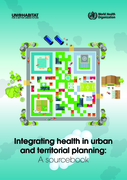
A sourcebook
Peru celebrates 200 years of independence in 2021. Over this period of independent life, and despite the turbulent socio-political scenarios, from internal armed conflict to economic crisis to political instability over the last 40 years, Peru has experienced major changes on its epidemiological and...
Perspectives on Drugs
Census Report Volume 4-L
Myanmar’s 2014 Census enumerated 4.5 million people aged 60 and over and by 2050 Myanmar is projected to have 13 million people in this age group.
Myanmar’s population has aged between 1973 and 2014; while the total population increased at an annual rate of 1....
Myanmar’s 2014 Census enumerated 4.5 million people aged 60 and over and by 2050 Myanmar is projected to have 13 million people in this age group.
Myanmar’s population has aged between 1973 and 2014; while the total population increased at an annual rate of 1....
Mood disorders
Chapter E.1
2015 edition

The International Rescue Committee (IRC) is a leading humanitarian agency dedicated to helping people whose lives have been shattered by conflict and disaster to survive, recover, and gain control of their future. Health comprises nearly half of IRC’s program portfolio globally and encompasses thr...
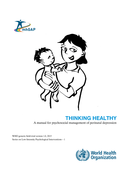
The Thinking Health manual outlines an evidence-based approach describing how community health workers can reduce prenatal depression through evidence-based cognitive-behavioural techniques recommended by the mhGAP programme.
This manual is the first volume of WHO’s new series on low-intensity p...

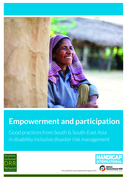
Good practices from South & South-East Asia in disability inclusive disaster risk management
