
Filter
1160
Filtered Results: 1160
Text search:
pharmaceutical
manufacturers
Featured
Recommendations
112
New Publications
286
Language
Document type
No document type
511
Studies & Reports
250
Guidelines
203
Manuals
84
Strategic & Response Plan
62
Fact sheets
20
Training Material
14
Situation Updates
8
Resource Platforms
4
Brochures
3
Infographics
1
Countries / Regions
Global
56
India
44
Kenya
40
Western and Central Europe
31
Ethiopia
28
Nigeria
26
Ghana
18
South Africa
18
Sierra Leone
15
Uganda
15
Ukraine
14
Zimbabwe
14
Africa
14
Bangladesh
14
Nepal
13
Malawi
13
Philippines
13
Tanzania
13
Rwanda
12
Latin America and the Carribbean
12
Eastern Europe
12
Zambia
12
Namibia
11
South–East Asia Region
10
Eastern Europe and Central Asia
8
Eswatini/ Swaziland
8
Syria
7
Indonesia
7
Liberia
7
Myanmar / Burma
7
West and Central Africa
6
Botswana
6
Thailand
5
East and Southern Africa
5
Senegal
4
Cambodia
4
Burkina Faso
3
USA
3
Haiti
3
Asia
3
Middle East and North Africa
3
Western Pacific Region
3
Vietnam
3
Egypt
3
North Macedonia
2
Serbia
2
Lesotho
2
Benin
2
China
2
Cameroon
2
Albania
2
Laos
2
Kyrgyzstan
2
Jordan
2
Germany
2
Congo, Democratic Republic of
2
North America
2
Jamaica
2
United Kingdom
2
Lebanon
2
Russia
2
Sudan
2
Tajikistan
1
Timor Leste/ East Timor
1
Australia
1
Kazakhstan
1
Chile
1
Iran
1
Fiji
1
Uzbekistan
1
Afghanistan
1
Mongolia
1
Bulgaria
1
Guinea
1
Mozambique
1
Armenia
1
Gabon
1
Turkmenistan
1
Japan
1
Denmark
1
Maldives
1
Papua New Guinea
1
Moldova
1
Georgia
1
Mali
1
Libya
1
South Sudan
1
Iraq
1
Somalia
1
Madagascar
1
Pakistan
1
Authors & Publishers
Publication Years
Category
Countries
386
Clinical Guidelines
105
Public Health
68
Key Resources
59
Women & Child Health
40
Pharmacy & Technologies
36
Capacity Building
9
Toolboxes
AMR
137
Pharmacy
133
COVID-19
81
TB
56
Mental Health
55
HIV
53
NTDs
35
Rapid Response
32
Planetary Health
27
Caregiver
26
Global Health Education
25
NCDs
23
Conflict
22
Health Financing Toolbox
20
Malaria
16
2.0 Rapid Response
16
Specific Hazards
12
Ebola & Marburg
11
Polio
8
Refugee
7
Disability
7
Natural Hazards
4
Zika
2
Cholera
1
Social Ethics
1

ຢາຕ້ານເຊື້ອຈຸລະຊີບ (Antimicrobial medicines) ມີຄວາມສໍາຄັນຫຼາຍຕໍ່ວຽກງານການແພດ, ສາທາລະນະສຸກ, ສຸຂະພາບສັດ ແລະ ການຜະລິດອາຫານ. ເນà...
Orientations provisoires, 16 novembre 2020
Ce document d’orientation a été conçu à l’intention des autorités nationales chargées de gérer le déploiement, la mise en œuvre et le suivi des vaccins contre la COVID-19, ainsi que des partenaires qui fourniss...
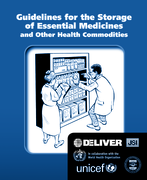
Maintaining proper storage conditions for health commodities is vital to ensuring their quality. Product expiration dates are based on ideal storage conditions and protecting product quality until their expiration date is important for serving customers and conserving resources. Guidelines for the S...

Governments have dedicated a pivotal role to the private sector in the implementation and financing of the 2030 Agenda and the SDGs. This has pushed a turn towards the private sector, the promotion of multi-stakeholder partnerships between public and private actors. However, far too often there is a...
Sixth Meeting of the mhGAP Forum Hosted by WHO in Geneva on 4-5 September 2014 Summary Report
The article "Time to Align: Development Cooperation for the Prevention and Control of Non-Communicable Diseases" argues for greater international cooperation and investment in addressing non-communicable diseases (NCDs), especially in low- and middle-income countries. Traditionally, global health fu...
Transforming Health Systems: Achieving Universal Health Coverage by 2022. The development of the Kenya Health Sector Strategic Plan 2018–2023 is guided by the Constitution of 2010, the Kenya Vision 2030 and the Kenya Health Policy 2014–2030.
Celebrating ten years of success 2004-2014
This Eye health strategic plan presents the Ministry of Health’s five
year proposed strategies for eye care in Kenya. It sets the strategic
direction for the National Eye Health Care System and presents
information on the priorities, objectives and indicators that the
Ministry has adopted espe...
Examining the infrastructure of the Russian and USA healthcare systems with respect to the management of HIV patients
Breakthrough innovations have come to light that have proved to be more than 95% effective in preventing HIV infection with injections just twice a year. Once a year might even be possible. They could also be key for 40 million people living with HIV around the world who need better options for trea...

The Disaster Recovery Framework (DRF) Guide for the Health Sector provides guidance on how to implement a comprehensive, integrated, and structured approach to disaster recovery. Its overarching goal is to minimize the impact of the disaster on communities and help countries to recover quickly and e...
South Africa has faced many challenges over the past two decades, accomplishing profound positive changes in the social structure and government of the nation. This has not yet fully translated into better health for the population, however, particularly the poorest segment. In fact, the p...

Antimicrobial resistance (AMR) is an important public health concern shared by developed and developing countries. In developing countries the burden of infectious diseases is greater and exacerbated by limited access to, and availability and affordability of, antimicrobials required to treat infect...
