
Filter
6208
Filtered Results: 6208
Text search:
health
costs
Featured
Recommendations
509
New Publications
1552
Language
Document type
No document type
3244
Studies & Reports
1311
Guidelines
754
Manuals
333
Strategic & Response Plan
264
Fact sheets
119
Training Material
82
Situation Updates
51
Brochures
19
Resource Platforms
13
Infographics
12
Online Courses
5
Dashboards/Maps
1
Countries / Regions
Global
353
India
241
Kenya
198
South Africa
129
Ethiopia
120
Western and Central Europe
115
Sierra Leone
111
Myanmar / Burma
106
Uganda
105
Africa
104
Latin America and the Carribbean
95
Nepal
92
Syria
91
Liberia
90
Nigeria
87
Zambia
84
Malawi
83
Rwanda
74
Ghana
72
Bangladesh
72
Tanzania
71
Ukraine
66
Congo, Democratic Republic of
54
Namibia
51
Eastern Europe
47
Philippines
44
Cambodia
43
South–East Asia Region
39
Zimbabwe
37
Asia
36
Mozambique
35
South Sudan
35
Guinea
34
Indonesia
34
Germany
33
Yemen
32
Senegal
31
East and Southern Africa
30
Lesotho
25
Haiti
23
Venezuela
23
Botswana
23
Jordan
22
West and Central Africa
22
Colombia
21
Burkina Faso
21
Pakistan
21
Afghanistan
20
Cameroon
19
Russia
19
Middle East and North Africa
18
Lebanon
17
Brazil
17
Eastern Europe and Central Asia
15
Sudan
15
Central African Republic
15
Benin
14
Western Pacific Region
13
Vietnam
13
Thailand
12
Mali
12
Somalia
12
Peru
11
Eswatini/ Swaziland
11
China
10
Iraq
10
Madagascar
10
North America
9
Côte d’Ivoire / Ivory Coast
9
Moldova
9
Sri Lanka
9
Laos
8
USA
8
Turkey
7
Palestine
7
Chile
6
Iran
6
Burundi
6
Argentina
6
Georgia
6
Ecuador
6
Tajikistan
5
Gambia
5
Togo
5
Albania
5
Niger
5
Paraguay
5
Jamaica
5
Papua New Guinea
5
Egypt
5
United Kingdom
4
Southern Africa
4
Poland
4
Chad
4
North Macedonia
3
Switzerland
3
Timor Leste/ East Timor
3
Mexico
3
Serbia
3
Armenia
3
Guinea-Bissau
3
Croatia
3
Japan
3
Mauritius
3
Belarus
3
Romania
3
Honduras
3
Angola
3
Libya
3
Guatemala
3
North Korea
2
El Salvador
2
Singapore
2
Kyrgyzstan
2
Vanuatu
2
Italy
2
Dominican Republic
2
Hungary
2
Lithuania
2
Turkmenistan
2
Tunisia
2
Portugal
2
Spain
2
Israel
2
Bolivia
2
Nicaragua
2
Greece
2
Kazakhstan
1
Canada
1
Fiji
1
Estonia
1
Congo-Brazzaville
1
Malaysia
1
Austria
1
Morocco
1
Mongolia
1
Qatar
1
Bulgaria
1
Mauritania
1
Ireland
1
Saudi Arabia
1
Denmark
1
Maldives
1
Azerbaijan
1
French Guyana
1
Bosnia and Herzegovina
1
Belize
1
Costa Rica
1
Panama
1
Bhutan
1
Solomon Islands
1
Authors & Publishers
Publication Years
Category
Countries
2101
Clinical Guidelines
437
Key Resources
427
Public Health
390
Women & Child Health
303
Capacity Building
102
Pharmacy & Technologies
65
Annual Report MEDBOX
1
Toolboxes
Mental Health
466
HIV
438
COVID-19
384
TB
342
Planetary Health
335
Disability
259
AMR
209
Conflict
188
NTDs
181
NCDs
166
Caregiver
161
Ebola & Marburg
141
Health Financing Toolbox
139
Refugee
137
Global Health Education
124
Pharmacy
118
Rapid Response
97
Natural Hazards
92
Malaria
81
2.0 Rapid Response
65
Cholera
38
Polio
33
Social Ethics
26
Specific Hazards
22
Zika
22
Typhoon
4
South Sudan
2
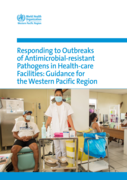
Responding to Outbreaks of Antimicrobial-resistant Pathogens in Health-care Facilities: Guidance for the Western Pacific Region is developed following requests from Member States in the Western Pacific Region for additional information and support in managing AMR outbreaks. It aims to provide: a ste...

This integrated operational framework provides an overview of the connections between mental health, neurological and substance use (MNS) conditions, and their links to health, well-being and the broader public health and sustainable development agenda. The need for integrated approaches is increasi...
Operational Framework for Primary Health Care
recommended

This primer aims to guide health professionals on engaging with WASH-related issues. It gives an overview of WASH interventions and the status of WASH services globally and outlines key linkages with health. It provides examples of key actions that health actors can take to ensure WASH efforts effec...
The WHO Global strategy on human resources for health: workforce 2030 encourages development partners and global health initiatives to leverage their support to health systems in countries to sustainably strengthen the health workforce. To assess the impact of these investments, a methodology was de...

It provides insight into WHO’s work that aims to improve the health of the people of the United Republic of Tanzania in collaboration with key stakeholders.

The purpose of this guidance is to assist WHO Member States, and other stakeholders, in the establishment and development of programmes of integrated surveillance of antimicrobial resistance in foodborne bacteria (i.e., bacteria commonly transmitted by food). In this guidance, “integrated surveill...
Further analysis of the 2011 Nepal Demographic and Health Survey

The WHO Guidance on community mental health services: Promoting person-centred and rights-based approaches document is part of the WHO Guidance and technical packages on community mental health services set of publications. It provides a detailed description of person-centred and human rights-based ...

Modelling the health impacts of disruptions to essential health services during COVID-19 Module 1
Several epidemiological models have been created to assess the potential impact of disruptions to essential health services caused by COVID-19 on morbidity and mortality from conditions other than COVI...

Unmet mental health needs in the Region of the Americas are a leading source of morbidity and mortality, which result in tremendous health, social, and economic consequences. The COVID-19 pandemic has exacerbated the mental health crisis in the Region, necessitating urgent action at the highest leve...

The Atlas of health and climate is a product of this unique collaboration between the meteorological and public health communities. It provides sound scientific information on the connections between weather and climate and major health challenges. These range from diseases of poverty to emergencies...
The WHO Disability-Inclusive Health Services Training Package is a companion to the “WHO Disability-Inclusive Health Services Toolkit: A resource for health facilities in the Western Pacific Region” published by WHO in 2020. This package offers a range of additional training materials including ...

Regional implementation framework for elimination of cervical cancer as a public health problem: 2021–2030
recommended
Cervical cancer continues to be a significant public health problem and a major cause of premature mortality among women, disproportionately affecting the socioeconomically disadvantaged population in low- and middle-income countries (LMICs). In the absence of implementing the known evidence-based, ...
The WHO Guidance on community mental health services: Promoting person-centred and rights-based approaches document is part of the WHO Guidance and technical packages on community mental health services set of publications. It provides a detailed description of person-centred and human rights-based ...
The WHO Guidance on community mental health services: Promoting person-centred and rights-based approaches document is part of the WHO Guidance and technical packages on community mental health services set of publications. It provides a detailed description of person-centred and human rights-based ...
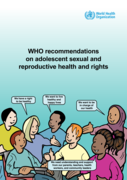
Framework for Action

ABSTRACT
More than 500 million people worldwide live with cardiovascular disease (CVD). Health systems today face fundamental challenges in delivering optimal care due to ageing populations, healthcare workforce constraints, financing, availability and affordability of CVD medicine, and service del...
