Filter
3255
Filtered Results: 3255
Text search:
cultural
influences
Featured
Recommendations
265
New Publications
797
Language
Document type
No document type
1953
Studies & Reports
531
Guidelines
327
Manuals
209
Strategic & Response Plan
118
Training Material
62
Fact sheets
32
Situation Updates
8
Brochures
6
Infographics
5
Resource Platforms
4
Countries / Regions
Global
138
India
88
Kenya
82
Uganda
68
Nigeria
62
Nepal
60
Sierra Leone
56
Western and Central Europe
56
Ethiopia
56
Malawi
48
Myanmar / Burma
46
South Africa
45
Liberia
43
Latin America and the Carribbean
42
Tanzania
42
Zambia
41
Africa
38
Ghana
37
Bangladesh
37
Rwanda
31
Syria
28
Congo, Democratic Republic of
27
Namibia
26
Mozambique
25
Indonesia
25
Paraguay
22
South–East Asia Region
21
Brazil
21
Lesotho
20
Philippines
20
Haiti
20
Ukraine
18
Zimbabwe
17
Cambodia
17
Senegal
16
Guinea
16
Asia
14
Venezuela
14
Germany
13
Eastern Europe
13
Cameroon
12
Vietnam
12
South Sudan
12
Colombia
11
Burkina Faso
11
West and Central Africa
10
Eastern Europe and Central Asia
10
Botswana
10
Thailand
9
Benin
9
Afghanistan
9
Pakistan
9
Peru
8
Western Pacific Region
8
Lebanon
8
Eswatini/ Swaziland
8
China
7
Chile
7
Laos
7
Middle East and North Africa
7
East and Southern Africa
7
Argentina
7
Sri Lanka
7
Central African Republic
7
Jordan
6
Southern Africa
6
Albania
5
Russia
5
Angola
5
Madagascar
5
USA
4
Bolivia
4
Ecuador
4
Guatemala
4
Tajikistan
3
Timor Leste/ East Timor
3
Togo
3
Iran
3
Kyrgyzstan
3
Guinea-Bissau
3
Croatia
3
North America
3
Bosnia and Herzegovina
3
Yemen
3
Libya
3
Iraq
3
Serbia
2
Kazakhstan
2
Canada
2
Singapore
2
Burundi
2
Malaysia
2
Dominican Republic
2
Lithuania
2
Turkmenistan
2
Spain
2
Papua New Guinea
2
Sudan
2
Palestine
2
Poland
2
Honduras
2
Mali
2
Somalia
2
North Macedonia
1
Mexico
1
El Salvador
1
Turkey
1
Gambia
1
Fiji
1
Estonia
1
Uzbekistan
1
Bulgaria
1
Italy
1
Armenia
1
Hungary
1
Ireland
1
Japan
1
Portugal
1
Azerbaijan
1
Belarus
1
Côte d’Ivoire / Ivory Coast
1
Belize
1
Costa Rica
1
Panama
1
Nicaragua
1
Moldova
1
Egypt
1
Georgia
1
Chad
1
Authors & Publishers
Publication Years
Category
Countries
1041
Key Resources
267
Women & Child Health
217
Public Health
201
Clinical Guidelines
149
Capacity Building
75
Pharmacy & Technologies
9
Toolboxes
Mental Health
478
Disability
234
HIV
208
COVID-19
170
Planetary Health
165
Caregiver
106
Global Health Education
92
Refugee
82
Conflict
81
TB
80
Ebola & Marburg
73
Social Ethics
57
NTDs
57
Natural Hazards
43
NCDs
37
AMR
35
Rapid Response
33
Malaria
27
2.0 Rapid Response
26
Pharmacy
24
Cholera
20
Health Financing Toolbox
13
Specific Hazards
11
Zika
11
Polio
6
Typhoon
1

The 2030 health-related Sustainable Development Goals call on countries to end AIDS as a public health threat and also to achieve universal health coverage. The World Health Organization (WHO) promotes primary health care (PHC) as the key mechanism for achieving universal health coverage, and the PH...
The Fourth National Climate Assessment (NCA4) fulfills that mandate in two volumes. This report, Volume II, draws on the foundational science described in Volume I, the Climate Science Special Report (CSSR).2 Volume II focuses on the human welfare, societal, and environmental elements of climate cha...

ARC resource pack - Study material
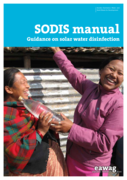
SODIS manual - updated version
The SODIS manual contains detailed information about technical and promotional aspects of the SODIS method.
Former version also available in French, Portuguese, Spanish, Uzbek, Russian
Female Genital Schistosomiasis: a guide to inform equitable schistosomiasis control efforts in Ghana
Learning pack. This pack presents a summary of exploratory qualitative research methods and
findings from frontline health implementers and communities conducted by the
research team in Ghana.
Guidelines for social mobilization
TB and poverty; TB and children; TB and women; TB, migrants and refugees; TB and prisons
WHO/CDS/STB/2001.9
Original: English; Distribution: Limited
Long-term planning for an adequate and safe supply of drinking-water should be set in the context of growing external uncertainties arising from changes in the climate and environment. The water safety plan (WSP) process offers a systematic framework to manage these risks by considering the implica...
This guide presents new knowledge and guidelines on the provision of care to persons living with HIV/AIDS, in accordance with the last guidelines of the World Health Organization (WHO) published in 2006 and adapted to the Rwandan national context. It thus responds to the need by the Ministry of Heal...
The checklist is aligned with, and builds upon, existing COVID-19-related WHO guidelines and is structured around protective measures related to: 1) hand hygiene and respiratory etiquette; 2) physical distancing; 3) use of masks in schools; 4) environmental cleaning and ventilation; and 5) respectin...
Guidance for addressing a global infodemic and fostering demand for immunization
December 2020
Misinformation threatens the success of vaccination programs across the world. This guide aims to help organizations to address the global infodemic through the development of strategic and well-coordina...
Bioethics - Medical, Ethical and Legal Perspectives
There’s evidence that implementing the four medical ethics principles may be challenging especially in low income country contexts with extreme resource scarcity and limited capacity to facilitate deliberations on the different ethical dilemmas....
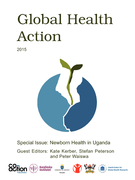
This special issue on Newborn Health in Global Health Action is being launched to share the experience of how to scale up a cost-effective package of newborn care that involves families, community health workers and health facilities. The results of this community randomized trial, the Uganda Newbor...
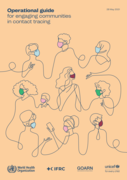
28 May 2021
Contact tracing is a key component of a public health response to infectious disease outbreaks. The purpose of this guidance is to reinforce the place of community engagement and participation in the contact tracing process. The guidance and related products articulate best practice pri...
Available in: English, French, Chinese, Spanish, Russian, Arabic, Thai, Korean, Tajik, Vietnamese, Uzbek
http://www.who.int/disabilities/cbr/guidelines/en/
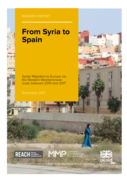
The study is based on in-depth, semi-structured qualitative interviews with 60 Syrians who arrived in Spain between 2015 and 2017.
Lessons learnt from the ADCAP programme | This guide shares good practices and challenges that have emerged through the experience of the Age and Disability Capacity Programme (ADCAP) implementing partners, in embedding inclusion of older people and people with disabilities within their humanitaria...