
Filter
12208
Filtered Results: 12208
Text search:
health
care
services
Featured
Recommendations
1053
New Publications
3011
Language
Document type
No document type
6685
Studies & Reports
2044
Guidelines
1530
Manuals
672
Strategic & Response Plan
436
Fact sheets
306
Training Material
234
Situation Updates
147
Infographics
45
Resource Platforms
42
Brochures
39
Online Courses
19
Videos
8
App
1
Countries / Regions
Global
525
India
508
Kenya
347
South Africa
263
Ethiopia
257
Sierra Leone
238
Nepal
233
Nigeria
221
Uganda
219
Liberia
209
Western and Central Europe
200
Myanmar / Burma
189
Zambia
175
Latin America and the Carribbean
174
Africa
173
Bangladesh
170
Tanzania
166
Rwanda
165
Malawi
164
Syria
161
Ukraine
145
Ghana
140
Namibia
133
Congo, Democratic Republic of
123
Philippines
104
Senegal
96
Eastern Europe
85
Indonesia
84
South Sudan
82
Zimbabwe
78
Cambodia
78
Russia
78
Lesotho
77
Guinea
74
Mozambique
74
Burkina Faso
72
Haiti
70
Asia
68
Germany
67
South–East Asia Region
67
Brazil
66
West and Central Africa
64
Yemen
62
Venezuela
60
East and Southern Africa
60
Middle East and North Africa
54
Botswana
53
Cameroon
43
Eastern Europe and Central Asia
42
Benin
39
Colombia
38
Eswatini/ Swaziland
38
Mali
37
Pakistan
34
Afghanistan
33
Lebanon
31
Jordan
28
Sudan
28
Central African Republic
28
Thailand
26
Somalia
26
Vietnam
25
Madagascar
25
Western Pacific Region
23
USA
22
Côte d’Ivoire / Ivory Coast
22
Tajikistan
20
Iraq
20
China
18
Laos
17
Sri Lanka
17
Moldova
16
Turkey
15
Niger
15
Peru
15
Angola
15
Albania
14
Palestine
14
Georgia
14
North America
13
Chad
13
Libya
11
Mexico
10
Chile
10
Paraguay
10
North Macedonia
9
Togo
9
Iran
9
Argentina
9
Papua New Guinea
9
Ecuador
9
Kyrgyzstan
8
Burundi
8
Guinea-Bissau
8
United Kingdom
8
Portugal
8
Greece
8
Timor Leste/ East Timor
7
Kazakhstan
7
Armenia
7
Jamaica
7
Southern Africa
7
Romania
7
Poland
7
El Salvador
6
Gambia
6
Hungary
6
Spain
6
Bolivia
6
Bhutan
6
Switzerland
5
Estonia
5
Japan
5
Egypt
5
Guatemala
5
Serbia
4
Canada
4
Singapore
4
Uzbekistan
4
Malaysia
4
Italy
4
Turkmenistan
4
Honduras
4
Fiji
3
Congo-Brazzaville
3
Mongolia
3
Croatia
3
Ireland
3
Saudi Arabia
3
France
3
Mauritius
3
Tunisia
3
Belarus
3
Nicaragua
3
North Korea
2
Australia
2
Morocco
2
Qatar
2
Bulgaria
2
Dominican Republic
2
Lithuania
2
Gabon
2
Azerbaijan
2
Israel
2
Bosnia and Herzegovina
2
Guyana
2
Djibouti
2
Slovakia
2
Austria
1
Vanuatu
1
Mauritania
1
Denmark
1
Belgium
1
Maldives
1
Norway
1
South Korea
1
Algeria
1
French Guyana
1
Latvia
1
Belize
1
Costa Rica
1
Panama
1
Solomon Islands
1
Authors & Publishers
Publication Years
Category
Countries
4690
Clinical Guidelines
781
Women & Child Health
667
Key Resources
663
Public Health
598
Capacity Building
281
Pharmacy & Technologies
112
Annual Report MEDBOX
3
Toolboxes
COVID-19
1160
Mental Health
998
HIV
970
TB
586
Disability
506
Caregiver
411
Conflict
377
Ebola & Marburg
362
Planetary Health
330
Refugee
285
AMR
276
NTDs
271
NCDs
206
Rapid Response
196
Pharmacy
188
Global Health Education
179
Health Financing Toolbox
168
Natural Hazards
150
Malaria
127
2.0 Rapid Response
109
Cholera
72
Zika
70
Social Ethics
65
Specific Hazards
60
Polio
42
Typhoon
6
South Sudan
2
Throughout the Americas, populations are aging and the Region is undergoing a rapid demographic transition. The aging index, which reflects the size of the older age groups per 100 compared to children under age 15, clearly demonstrates the increase in people aged 60 and older. Compared to global tr...
Mothers, newborns, young children and adolescents are losing 20 percent of their health and social services due to the COVID-19 pandemic says a Panel of senior global health experts.
Ministerial Instruction Number 20/40 of 10/09/2009 determining conditions and modalities for therapeutic care for people living with HIV and AIDS.

The mhGAP community toolkit: field test version is an integral part of WHO's Mental Health Gap Action Programme (mhGAP), and aims at scaling up services for people with mental health conditions to achieve universal health coverage.
The toolkit provides guidance for programme managers on how to i...
This report is intended to provide information regarding reporting status of the public and private hospitals, availability and utilization of hospital services, performance of the hospitals under administration of Ministry of Health, hospital deliveries and leading causes of hospitalization and mor...

The Transformation Agenda (TA) ushered in an ambitious reform process intended to transform the World Health Organization (WHO) into an organization that is proactive, results-driven, accountable and which meets stakeholder expectations, towards transforming and improving public health services in t...

Preliminary overview of refugees and migrants self-reported impact of COVID-19
The study surveyed over 30,000 refugees and migrants living in 170 countries. Many of the respondents had fled war or dire economic conditions in their home country only to be faced with the additional challenges posed b...
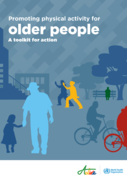
This ACTIVE toolkit provides evidence-based guidance on the key approaches to promote and enable older people to be physically active, regardless of who they are, where they live, or their intrinsic capacities (for example their visual or cognitive abilities) or whether they live with chronic condit...
Regulation of the Minister of Health of the Republic of Indonesia Number 97 of 2014 on Pre-Pregnancy Health Services, Pregnancy, Labor and Postpartum, Contraception Service, and Sexual Health Service
Regulation of the minister of health of the Republic of Indonesia number 97 of 2014 on pre-pregnancy health services, pregnancy, childbirth, and postpartum, contraceptive service and sexual health services
The Road Map outlines various strategies which will guide policy makers, development partners, training institutions and service providers in supporting Government efforts towards the attainment of MDGs related to maternal and neonatal health.

The overall goal of the programme, to reduce the malaria morbidity and mortality by 75% (using 2012 as baseline) by the year 2020, continued to be pursued in 2014. The following areas were identified as some of the priorities for the year: Malaria Case Management under which we have Malaria in Pregn...
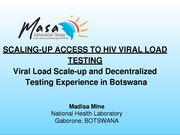
Viral Load Scale-up and Decentralized Testing Experience in Botswana.
This AIDS 2016 presentation highlights how Botswana’s decentralized testing model provides an example of how “taking the services closer to the people, rather than people coming to the services” can increase access, when s...
USAID/KENYA Evaluation Services and Program Support (ESPS)
The United States Agency for International Development (USAID) has a solid track record of supporting health and development initiatives in Kenya. AIDS, Population, and Health Integrated Assistance (APHIA) is the agency’s flagship hea...
The United States Agency for International Development (USAID) has a solid track record of supporting health and development initiatives in Kenya. AIDS, Population, and Health Integrated Assistance (APHIA) is the agency’s flagship hea...

Guidelines for Services based on Health Service Level of Urology Field in Indonesia
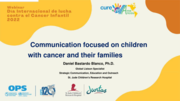
Understanding and practicing health care that consciously adopts the point of view of individuals, caregivers, families and
communities as participants and beneficiaries of health systems that inspire confidence, are organized not so much according to specific diseases, but rather according to the ...
Swahili version of How to use a partograph.
Translation and voice over thanks to Alex Mureithi and Zawadi Machibya and their colleagues at the BBC Swahili Service
A vital tool for the care of every woman in labour. The partograph is a graphic record of vital observations during the course of labo...
A module from the suite of health service capacity assessments in the context of the COVID-19 pandemicINTERIM GUIDANCE5 February2021
The Community needs, perceptions and demand: community assessment toolcan be used by countries to conduct a rapid pulse survey of community health needs and perceptio...

The Call to Action calls on the G20 member countries to ensure continuity of high-quality treatment, care and support services and programming that address the needs of the most affected and vulnerable populations, for a more efficient and effective TB response.
