Filter
8894
Filtered Results: 8894
Text search:
health
economics
Featured
Recommendations
592
New Publications
2157
Language
Document type
No document type
4658
Studies & Reports
1988
Guidelines
901
Manuals
421
Strategic & Response Plan
402
Fact sheets
238
Training Material
101
Situation Updates
90
Infographics
40
Resource Platforms
25
Brochures
19
Online Courses
7
Videos
3
App
1
Countries / Regions
Global
490
India
309
Kenya
257
Ethiopia
200
Nepal
179
Latin America and the Carribbean
167
Western and Central Europe
158
South Africa
153
Uganda
151
Sierra Leone
148
Nigeria
144
Myanmar / Burma
144
Liberia
142
Africa
137
Rwanda
131
Zambia
124
Bangladesh
122
Tanzania
121
Malawi
118
Syria
112
Ukraine
95
Ghana
92
Namibia
81
Venezuela
74
Philippines
72
Congo, Democratic Republic of
70
Mozambique
69
Eastern Europe
69
South Sudan
64
Brazil
63
Indonesia
63
Cambodia
61
Zimbabwe
60
South–East Asia Region
58
Asia
55
Lesotho
53
West and Central Africa
52
Colombia
51
Yemen
50
East and Southern Africa
47
Germany
44
Guinea
43
Haiti
43
Russia
41
Middle East and North Africa
40
Cameroon
39
Senegal
39
Burkina Faso
37
Paraguay
36
Botswana
33
Eastern Europe and Central Asia
31
Pakistan
29
Afghanistan
28
Lebanon
26
Sudan
24
Central African Republic
24
Peru
22
China
21
Jordan
21
Argentina
21
Thailand
20
Benin
20
Eswatini/ Swaziland
20
Vietnam
18
Somalia
16
Western Pacific Region
15
Moldova
15
Ecuador
15
Chile
14
Mali
14
Angola
13
Tajikistan
12
USA
12
Sri Lanka
12
Palestine
12
Iraq
12
North America
11
Bolivia
11
Albania
10
Laos
10
Guinea-Bissau
10
Côte d’Ivoire / Ivory Coast
10
Mexico
9
Libya
9
Madagascar
9
Turkey
8
Kyrgyzstan
8
Niger
8
Portugal
8
Spain
8
Egypt
8
El Salvador
7
Guatemala
7
Iran
6
Burundi
6
Jamaica
6
Papua New Guinea
6
Romania
6
Georgia
6
Poland
6
North Macedonia
5
Hungary
5
Turkmenistan
5
Southern Africa
5
Honduras
5
Chad
5
Bhutan
5
Timor Leste/ East Timor
4
Gambia
4
Kazakhstan
4
Canada
4
Malaysia
4
Japan
4
United Kingdom
4
Serbia
3
Togo
3
Italy
3
Armenia
3
Saudi Arabia
3
Mauritius
3
Tunisia
3
Belarus
3
Bosnia and Herzegovina
3
Nicaragua
3
Greece
3
Singapore
2
Congo-Brazzaville
2
Uzbekistan
2
Qatar
2
Croatia
2
Lithuania
2
France
2
Azerbaijan
2
Israel
2
Djibouti
2
North Korea
1
Estonia
1
Vanuatu
1
Morocco
1
Mongolia
1
Bulgaria
1
Mauritania
1
Dominican Republic
1
Ireland
1
Gabon
1
Uruguay
1
Denmark
1
Maldives
1
Norway
1
Algeria
1
Morocco
1
French Guyana
1
Latvia
1
Barbados
1
Belize
1
Costa Rica
1
Panama
1
Slovakia
1
Solomon Islands
1
Authors & Publishers
Publication Years
Category
Countries
3490
Key Resources
532
Public Health
484
Women & Child Health
395
Clinical Guidelines
387
Capacity Building
139
Pharmacy & Technologies
40
Annual Report MEDBOX
2
Toolboxes
COVID-19
774
Mental Health
702
HIV
571
Planetary Health
500
Disability
426
TB
360
Conflict
277
AMR
271
Global Health Education
224
NTDs
214
Health Financing Toolbox
210
Refugee
195
Caregiver
188
NCDs
185
Ebola & Marburg
166
Natural Hazards
122
Rapid Response
114
Pharmacy
103
Malaria
93
2.0 Rapid Response
77
Social Ethics
58
Specific Hazards
42
Polio
40
Cholera
34
Zika
31
Typhoon
5
South Sudan
2


Cancer in sub-Saharan Africa
recommended
Lancet Oncol 2022; 23: e251–312Published OnlineMay 9, 2022 https://doi.org/10.1016/S1470-2045(21)00720-8
In sub-Saharan Africa (SSA), urgent action is needed to curb a growing crisis in cancer incidence and mortality.
Without rapid interventions, data estimates show a major increase in cancer mo...
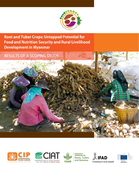
This scoping study done in Myanmar offers the chance for FoodSTART+ to explore prospects for future partnerships in another important country of the region. The study was done from October 2016 to February 2017 and included visits to selected major potato and cassava production areas to meet with re...

GFDRR Knowledge Notes
Technical Guidance
Learning from earthquake relief and recovery operations
How-to Guide Series

MMWR. Recommendations and Reports:
December 16, 2005 / 54(RR15);49-55

Case Studies on Building Resilience in the Horn of Africa
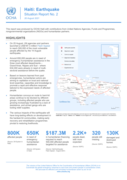
On 25 August, UN agencies and partners launched a US$187.3 million Flash Appeal to reach 500,000 of the most vulnerable people affected by the 14 August earthquake.
Around 650,000 people are in need of emergency humanitarian assistance in the three most affected departments – Grand’Anse, Nipp...