
Filter
7420
Filtered Results: 7420
Text search:
global
health
education
Featured
Recommendations
555
New Publications
1839
Language
Document type
No document type
3969
Studies & Reports
1475
Guidelines
790
Manuals
387
Strategic & Response Plan
331
Training Material
147
Fact sheets
143
Situation Updates
60
Resource Platforms
40
Infographics
36
Brochures
16
Videos
13
Online Courses
10
App
2
Dashboards/Maps
1
Countries / Regions
Global
434
India
250
Kenya
238
Ethiopia
156
South Africa
147
Uganda
140
Nigeria
138
Sierra Leone
135
Myanmar / Burma
132
Nepal
128
Liberia
121
Western and Central Europe
116
Zambia
116
Africa
115
Malawi
110
Bangladesh
110
Latin America and the Carribbean
109
Rwanda
106
Tanzania
103
Syria
100
Ghana
89
Namibia
80
Ukraine
74
Congo, Democratic Republic of
74
Lesotho
64
Senegal
63
Indonesia
63
Philippines
59
South Sudan
55
Zimbabwe
54
South–East Asia Region
51
Asia
49
Eastern Europe
47
Cambodia
46
Burkina Faso
45
Mozambique
45
Haiti
43
Brazil
39
Guinea
38
East and Southern Africa
36
West and Central Africa
34
Cameroon
32
Yemen
32
Middle East and North Africa
31
Venezuela
27
Russia
27
Botswana
27
Afghanistan
26
Germany
26
Benin
25
Central African Republic
23
Pakistan
23
Colombia
22
Eastern Europe and Central Asia
22
Vietnam
22
Thailand
21
Lebanon
21
Jordan
20
Sudan
20
Madagascar
20
China
19
Eswatini/ Swaziland
19
Mali
16
Laos
15
Chile
14
Sri Lanka
14
Tajikistan
13
Albania
12
Western Pacific Region
12
Moldova
12
Somalia
12
Paraguay
11
Iraq
10
Turkey
9
Côte d’Ivoire / Ivory Coast
9
Georgia
9
Togo
8
Niger
8
Burundi
8
North Macedonia
7
Peru
7
Malaysia
7
USA
7
North America
7
Portugal
7
Angola
7
Ecuador
7
Iran
6
Southern Africa
6
Papua New Guinea
6
Kazakhstan
5
Argentina
5
Egypt
5
Romania
5
Palestine
5
Libya
5
Timor Leste/ East Timor
4
Mexico
4
Kyrgyzstan
4
Hungary
4
Turkmenistan
4
Japan
4
United Kingdom
4
Spain
4
Poland
4
Serbia
3
Gambia
3
Armenia
3
Guinea-Bissau
3
Croatia
3
Saudi Arabia
3
Gabon
3
Mauritius
3
Bosnia and Herzegovina
3
Bolivia
3
Honduras
3
Chad
3
El Salvador
2
Canada
2
Fiji
2
Singapore
2
Uzbekistan
2
Morocco
2
Bulgaria
2
Dominican Republic
2
Lithuania
2
Jamaica
2
Tunisia
2
Azerbaijan
2
Belarus
2
Israel
2
Slovakia
2
Greece
2
Bhutan
2
Guatemala
2
Switzerland
1
Estonia
1
Mongolia
1
Qatar
1
Mauritania
1
Ireland
1
France
1
Maldives
1
South Korea
1
Latvia
1
Belize
1
Costa Rica
1
Panama
1
United Arab Emirates
1
Nicaragua
1
Djibouti
1
Authors & Publishers
Publication Years
Category
Countries
2848
Public Health
487
Key Resources
447
Clinical Guidelines
411
Women & Child Health
408
Capacity Building
152
Pharmacy & Technologies
35
Annual Report MEDBOX
3
Toolboxes
HIV
584
Mental Health
580
COVID-19
534
Disability
374
TB
315
Planetary Health
302
Caregiver
227
AMR
226
Conflict
219
NCDs
192
Global Health Education
189
NTDs
182
Ebola & Marburg
143
Refugee
140
Rapid Response
112
Health Financing Toolbox
98
Malaria
95
Natural Hazards
94
Pharmacy
83
2.0 Rapid Response
70
Cholera
66
Social Ethics
45
Polio
31
Zika
30
Specific Hazards
20
Typhoon
2
South Sudan
1
This handbook builds on lessons learned from surveys implemented 2015-2017 and advice provided by the Global task force on TB patient cost surveys. It provides a standardized methodology for conducting health facility-based cross-sectional surveys to assess the direct and indirect costs incurred by ...
In the kingdom of Bahrain, the national antibiotic committee will set the framework for the national response to AMR, especially bacterial resistance to antibiotics. It will be aligned with the World Health Organization’s (WHO) Global Action Plan on Antimicrobial Resistance, and with standards and...

The Pandemic Influenza Pandemic (PIP) Framework's Partnership Contribution (PC) High-Level Implementation Plan III (HLIP III) outlines the strategy for strengthening global pandemic influenza preparedness from 2024 to 2030. HLIP III takes into consideration the lessons learned from the response to t...
Lack of trained providers capable of identifying which labouring women could benefit from assisted vaginal birth (AVB), and of safely performing the procedure is a major barrier for its use. Education and training are, therefore, considered crucial for building skills and confidence in conducting AV...
This document contains a series of desk reviews for the eight ENGAGE-TB priority countries supported by the Global Fund (DRC, Kenya, Indonesia, Mozambique, Myanmar, Nigeria, Pakistan and Tanzania). The document provides a situation assessment and gap analysis about the state of community based TB ac...
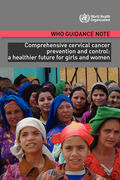
This WHO Guidance Note advocates for a comprehensive approach to cervical cancer prevention and control and is aimed at senior policy makers and programme managers. It describes the need to deliver effective interventions across the female life course from childhood through to adulthood. These inclu...

Post Graduate programme is essential to prepare nurses to improve the
quality of nursing education and practice in India. .
Post graduate programme in nursing builds upon and extends competence
acquired at the graduate levels, emphasizes application of relevant theories
into nursing practice, ed...
In collaboration with partners, the government of Ethiopia has successfully developed 10 years Hand Hygiene for All (HH4A) costed national roadmap- a country-wide approach to achieving sustainable and universal hand hygiene. On the occasion of the 2022 Global Hand Washing Day event ( Ethiopia is cel...

Today, the World Health Organization (WHO) is advancing the global fight against acute malnutrition in children under 5 with the launch of its new guideline on the prevention and management of wasting and nutritional oedema (acute malnutrition). This milestone is a crucial response to the persistent...
The escalating antimicrobial resistance (AMR) pandemic is a global public health threat with extensive health, economic and societal implications. Resistance emerges because of selection pressure from rational and indiscriminate antimicrobial use in human health as well as in the veterinary, agricul...

The Ministry of Education, Arts and Culture (MoEAC) has been implementing the Integrated School Health Programme in various forms since before the country attained political independence in 1990. School health goes beyond the physical health of the learner, in that it includes the holistic wellbeing...

Despite being a preventable and curable infectious disease, tuberculosis (TB) has continued to elude global controll efforts. In 2023, 8.2 milion people with TB were diagnosed and notified to the WHO, the hightest number ever reported since WHO began tracking.

Developed through broad and inclusive consultation, and aligned with the WHO Global Health Sector Strategies and the Sustainable Development Goals, the framework promotes a people-centred approach and antimicrobial stewardship across 5 key domains: prevention and response, surveillance, research and...
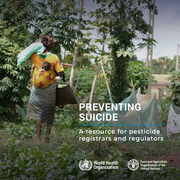
A resource for pesticide registrars and regulators.
The WHO urged governments to restrict access to highly toxic pesticides used for self-poisoning . Other effective interventions include education, youth intervention programs and follow-up of people at risk—and better data. Only 80 out of 183 WH...
The Guidelines on promotive and preventive mental health interventions for adolescents - Helping Adolescents thrive (HAT), provide evidence-informed recommendations on psychosocial interventions to promote mental health, prevent mental disorders, and reduce self-harm and other risk behaviours among ...
Following the high-level meeting of the UN General Assembly on antimicrobial resistance held in September 2016 which called for national, regional and international political commitment to address the issue, member countries agreed on the importance of moving forward to develop national action plans...
Responding to a polio outbreak. Guidelines
recommended
The occurrence of a case of wild polio in a previously polio free area as presently in Syria, whether through importation, laboratory accident, or mutation of vaccine virus (VDPV), should be considered a public health emergency, that requires a rapid and high quality response as utmost priority
This report on progress achieved in the WHO European Region and Member States in implementing the European food and nutrition action plan 2015–2020 presents selected epidemiological data on the nutritional status of populations throughout the Region and on implementation of policies recommended in...
Antimicrobial resistance (AMR) is a global threat that requires urgent
collaborative action within and among countries. As a result of the worldwide reports of the increasing rates of AMR to hospital and community-acquired infections and in the agricultural sector, the Global Action Plan on AMR was...
Myanmar is one of the world’s 22 high tuberculosis (TB) burden countries, and supporting TB control in Myanmar is a global priority. This report reflects the findings, discussions, conclusions and recommendations of the fourth international review mission of the Myanmar National TB Programme (NTP)...
