
Filter
8885
Filtered Results: 8885
Text search:
health
economics
Featured
Recommendations
590
New Publications
2155
Language
Document type
No document type
4661
Studies & Reports
1987
Guidelines
893
Manuals
421
Strategic & Response Plan
401
Fact sheets
238
Training Material
99
Situation Updates
90
Infographics
40
Resource Platforms
25
Brochures
19
Online Courses
7
Videos
3
App
1
Countries / Regions
Global
490
India
309
Kenya
257
Ethiopia
200
Nepal
179
Latin America and the Carribbean
167
Western and Central Europe
158
South Africa
153
Uganda
150
Sierra Leone
148
Nigeria
144
Myanmar / Burma
144
Liberia
142
Africa
137
Rwanda
131
Zambia
124
Bangladesh
122
Tanzania
121
Malawi
118
Syria
112
Ukraine
95
Ghana
92
Namibia
81
Venezuela
74
Philippines
72
Congo, Democratic Republic of
70
Mozambique
69
Eastern Europe
69
South Sudan
64
Brazil
63
Indonesia
63
Cambodia
61
Zimbabwe
60
South–East Asia Region
58
Asia
55
Lesotho
53
West and Central Africa
52
Colombia
51
Yemen
50
East and Southern Africa
47
Germany
44
Guinea
43
Haiti
43
Russia
41
Middle East and North Africa
40
Cameroon
39
Senegal
39
Burkina Faso
37
Paraguay
36
Botswana
33
Eastern Europe and Central Asia
31
Pakistan
29
Afghanistan
28
Lebanon
26
Sudan
24
Central African Republic
24
Peru
22
China
21
Jordan
21
Argentina
21
Thailand
20
Benin
20
Eswatini/ Swaziland
20
Vietnam
18
Somalia
16
Western Pacific Region
15
Moldova
15
Ecuador
15
Chile
14
Mali
14
Angola
13
Tajikistan
12
USA
12
Sri Lanka
12
Palestine
12
Iraq
12
North America
11
Bolivia
11
Albania
10
Laos
10
Guinea-Bissau
10
Côte d’Ivoire / Ivory Coast
10
Mexico
9
Libya
9
Madagascar
9
Turkey
8
Kyrgyzstan
8
Niger
8
Portugal
8
Spain
8
Egypt
8
El Salvador
7
Guatemala
7
Iran
6
Burundi
6
Jamaica
6
Papua New Guinea
6
Romania
6
Georgia
6
Poland
6
North Macedonia
5
Hungary
5
Turkmenistan
5
Southern Africa
5
Honduras
5
Chad
5
Bhutan
5
Timor Leste/ East Timor
4
Gambia
4
Kazakhstan
4
Canada
4
Malaysia
4
Japan
4
United Kingdom
4
Serbia
3
Togo
3
Italy
3
Armenia
3
Saudi Arabia
3
Mauritius
3
Tunisia
3
Belarus
3
Bosnia and Herzegovina
3
Nicaragua
3
Greece
3
Singapore
2
Congo-Brazzaville
2
Uzbekistan
2
Qatar
2
Croatia
2
Lithuania
2
France
2
Azerbaijan
2
Israel
2
Djibouti
2
North Korea
1
Estonia
1
Vanuatu
1
Morocco
1
Mongolia
1
Bulgaria
1
Mauritania
1
Dominican Republic
1
Ireland
1
Gabon
1
Uruguay
1
Denmark
1
Maldives
1
Norway
1
Algeria
1
Morocco
1
French Guyana
1
Latvia
1
Barbados
1
Belize
1
Costa Rica
1
Panama
1
Slovakia
1
Solomon Islands
1
Authors & Publishers
Publication Years
Category
Countries
3489
Key Resources
532
Public Health
484
Women & Child Health
395
Clinical Guidelines
387
Capacity Building
140
Pharmacy & Technologies
40
Annual Report MEDBOX
2
Toolboxes
COVID-19
774
Mental Health
702
HIV
563
Planetary Health
500
Disability
426
TB
360
Conflict
277
AMR
271
Global Health Education
224
NTDs
214
Health Financing Toolbox
209
Refugee
195
Caregiver
188
NCDs
185
Ebola & Marburg
166
Natural Hazards
122
Rapid Response
114
Pharmacy
103
Malaria
92
2.0 Rapid Response
77
Social Ethics
58
Specific Hazards
42
Polio
40
Cholera
34
Zika
31
Typhoon
5
South Sudan
2
Most African Countries Avoid Major Economic Loss but Impact on Guinea, Liberia, Sierra Leone Remains Crippling
This new edition highlights once again the importance of collecting disaggregated data to conduct gender-based analysis in order to determine, address, reduce, and eliminate the causes of gender-related inequalities.
Considerations for public health and social measures in the workplace in the context of COVID-19
recommended
Annex to Considerations in adjusting public health and social measures in the context of COVID-19
Accessed on 11.03.2020
Burkina Faso will not achieve the Millennium Development Goals (MDGs) on reducing maternal mortality of children under five, which is still too high.
Module 10: The Roles of Families, Community and the Health Care System in Prevention and Care for Women with Obstetric Fistula
Public health criteria to adjust public health and social measures in the context of COVID-19
recommended
In response to COVID-19, countries around the globe have implemented several public health and social measures (PHSM), including large scale measures such as movement restrictions, closure of schools and businesses, geographical area quarantine, and international travel restrictions.
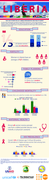

Deeply concerned by the morbidity and mortality caused by the COVID-19 pandemic, the negative impacts on physical and mental health and social well-being, the negative impacts on economies and societies and the consequent exacerbation of inequalities within and between countries.

This report aims to raise awareness about the role that the reform of public health laws can play in advancing the right to health and in creating the conditions for people to live healthy lives. By encouraging a better understanding of how public health law can be used to improve the health of the ...
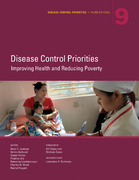
As the culminating volume in the DCP3 series, volume 9 will provide an overview of DCP3 findings and methods, a summary of messages and substantive lessons to be taken from DCP3, and a further discussion of cross-cutting and synthesizing topics across the first eight volumes. The introductory chapte...
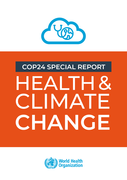
COP24 special report: health and climate change
recommended
Exposure to air pollution causes 7 million deaths worldwide every year and costs an estimated US$ 5.11 trillion in welfare losses globally. In the 15 countries that emit the most greenhouse gas emissions, the health impacts of air pollution are estimated to cost more than 4% of their GDP. Actions to...
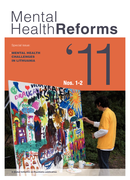
Special issue: Mental Health Challenges in Lithuania
Nos. 1-2 '11
South African Health Review 2019
recommended
22nd edition
The purpose of the SAHR has always been to analyse and assess progress and challenges in key areas of the health system, and to propose recommendations for improvement. We are pleased to continue this tradition in the 2019 edition, which presents a unique collection of perspectives on ...
