
Filter
8145
Filtered Results: 8145
Text search:
patient
management
Featured
Recommendations
866
New Publications
2014
Language
Document type
No document type
4282
Guidelines
1385
Studies & Reports
1182
Manuals
469
Strategic & Response Plan
304
Fact sheets
196
Training Material
149
Situation Updates
78
Resource Platforms
29
Online Courses
26
Infographics
25
Brochures
15
App
3
Videos
2
Countries / Regions
India
426
Global
316
Kenya
211
South Africa
208
Sierra Leone
197
Liberia
187
Western and Central Europe
170
Nigeria
168
Ethiopia
153
Uganda
149
Africa
119
Tanzania
117
Rwanda
112
Nepal
110
Malawi
110
Latin America and the Carribbean
103
Zambia
102
Congo, Democratic Republic of
99
Ghana
93
Myanmar / Burma
88
Bangladesh
84
Syria
80
Namibia
78
Ukraine
75
Guinea
75
Eastern Europe
75
Senegal
71
Russia
65
Philippines
61
Mozambique
53
Brazil
53
Indonesia
53
Haiti
52
Burkina Faso
50
Germany
50
West and Central Africa
49
Cambodia
48
South–East Asia Region
48
Zimbabwe
43
Asia
42
South Sudan
42
Lesotho
41
East and Southern Africa
39
Middle East and North Africa
37
Cameroon
35
Botswana
31
Mali
30
Benin
29
Eastern Europe and Central Asia
29
Yemen
25
Côte d’Ivoire / Ivory Coast
23
Madagascar
23
Eswatini/ Swaziland
23
Venezuela
20
Colombia
18
Angola
17
USA
16
Western Pacific Region
16
Argentina
16
Pakistan
16
Chile
15
Central African Republic
15
Chad
14
Tajikistan
13
Ecuador
12
Thailand
11
Laos
11
Afghanistan
11
Peru
11
Guinea-Bissau
11
Paraguay
11
Iraq
11
Togo
10
China
10
Albania
10
North America
10
Vietnam
10
Niger
9
Jordan
9
Spain
9
Lebanon
9
Somalia
9
United Kingdom
8
Sudan
8
Palestine
8
Georgia
8
El Salvador
7
Burundi
7
Bolivia
7
Moldova
7
Sri Lanka
7
Turkey
6
Armenia
6
Southern Africa
6
North Macedonia
5
Switzerland
5
Mexico
5
Gambia
5
Kazakhstan
5
Saudi Arabia
5
France
5
Bhutan
5
Timor Leste/ East Timor
4
Ireland
4
Honduras
4
Libya
4
Iran
3
Singapore
3
Estonia
3
Kyrgyzstan
3
Morocco
3
Jamaica
3
Mauritius
3
Romania
3
Greece
3
Guatemala
3
Serbia
2
Australia
2
Canada
2
Fiji
2
Uzbekistan
2
Bulgaria
2
Hungary
2
Lithuania
2
Gabon
2
Portugal
2
Papua New Guinea
2
Nicaragua
2
Egypt
2
Poland
2
North Korea
1
Congo-Brazzaville
1
Austria
1
Qatar
1
Mauritania
1
Italy
1
Dominican Republic
1
Uruguay
1
Turkmenistan
1
Japan
1
Denmark
1
Belgium
1
Maldives
1
Tunisia
1
Belarus
1
Belize
1
Costa Rica
1
Oman
1
Panama
1
Slovakia
1
Solomon Islands
1
Authors & Publishers
Publication Years
Category
Countries
3092
Clinical Guidelines
755
Public Health
453
Key Resources
354
Women & Child Health
332
Capacity Building
168
Pharmacy & Technologies
106
Annual Report MEDBOX
2
Toolboxes
COVID-19
881
Mental Health
588
TB
583
HIV
556
Ebola & Marburg
368
Caregiver
313
NTDs
282
AMR
269
NCDs
229
Pharmacy
189
Rapid Response
171
Conflict
155
Disability
139
Malaria
117
Planetary Health
116
Refugee
88
Global Health Education
83
2.0 Rapid Response
80
Cholera
78
Natural Hazards
61
Specific Hazards
51
Health Financing Toolbox
48
Zika
48
Polio
32
Social Ethics
27
Typhoon
3
South Sudan
1
This document outlines the evaluation process that WHO undertakes to assess novel tools and strategies targeted at VBDs. Its aim is to articulate the linkage between the generation of evidence that demonstrates public health impact of novel interventions, and the development of policy recommendation...
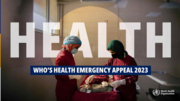
WHO needs US$2.54 billion to provide life-saving assistance to millions of people around the world facing health emergencies. WHO’s Health Emergency Appeal is a consolidation of WHO’s priorities and financial requirements for 2023 to carry out health interventions in emergency and humanitarian r...
UNAIDS | 2016–2021 Strategy
Accessed: 20.11.2019
Accessed November 2017

This report makes the case for a major new initiative—to rapidly recruit, train and deploy 2 million community health workers in Africa. Drawing on a vast body of evidence and substantial regional experience, the report shows how community health workers save lives and improve quality of life and ...
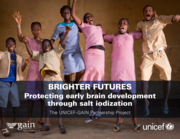
The UNICEF-GAIN Partnership Project
The report notes that iodine deficiency is a leading cause of preventable brain damage worldwide. Insufficient iodine during pregnancy and infancy results in neurological and psychological deficits, reducing a child’s IQ by 8 to 10 points. This translates ...
The report notes that iodine deficiency is a leading cause of preventable brain damage worldwide. Insufficient iodine during pregnancy and infancy results in neurological and psychological deficits, reducing a child’s IQ by 8 to 10 points. This translates ...
Best Practices Guidelines
Accessed: 06.11.2019
Towards the Peoples Health Assembly Book -2
he pandemic has produced an unprecedented economic and social crisis, and it could generate a food, humanitarian, and political crisis if urgent measures are not taken. The policy options for addressing the pandemic entail consolidating national plans and achieving intersectoral consensus. The respo...
Q6: Can dementia be diagnosed at first or second level care by non-specialist health care providers? What should be the assessment process for the diagnosis of dementia?
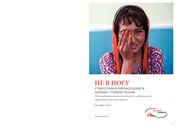
Для создания этого отчета MSF исследовала программы и практику лечения лекарственно-чувствительного и лекарственно-устойчивого туберкулеза в восьмистранах с высо...
