Filter
8066
Filtered Results: 8066
Text search:
children´s
rights
Featured
Recommendations
745
New Publications
2062
Language
Document type
No document type
4534
Studies & Reports
1334
Guidelines
944
Manuals
442
Strategic & Response Plan
294
Fact sheets
189
Training Material
167
Situation Updates
77
Brochures
35
Infographics
26
Resource Platforms
16
Online Courses
4
Videos
3
App
1
Countries / Regions
Global
374
India
302
Kenya
229
Ethiopia
161
Nepal
156
South Africa
149
Uganda
147
Myanmar / Burma
146
Sierra Leone
141
Syria
130
Nigeria
130
Western and Central Europe
127
Bangladesh
127
Liberia
126
Zambia
115
Tanzania
110
Latin America and the Carribbean
106
Malawi
103
Africa
99
Ukraine
96
Rwanda
95
Ghana
84
Namibia
78
Philippines
72
Congo, Democratic Republic of
70
South Sudan
68
Indonesia
58
Lesotho
53
Cambodia
52
Germany
51
South–East Asia Region
51
Yemen
49
Asia
47
Venezuela
47
Zimbabwe
46
Eastern Europe
45
Mozambique
43
Senegal
38
Haiti
36
Guinea
35
Eastern Europe and Central Asia
35
Lebanon
34
West and Central Africa
33
Middle East and North Africa
31
East and Southern Africa
30
Russia
30
Afghanistan
29
Pakistan
27
Brazil
26
Botswana
25
Jordan
24
Central African Republic
24
Cameroon
22
Sudan
22
Somalia
21
Burkina Faso
20
Colombia
19
Iraq
19
Eswatini/ Swaziland
19
Vietnam
17
Moldova
16
China
15
Thailand
14
Western Pacific Region
14
Tajikistan
13
Laos
13
Mali
13
Albania
12
Turkey
10
Iran
10
Sri Lanka
10
Greece
10
Peru
9
Papua New Guinea
9
Georgia
9
Madagascar
9
USA
8
Paraguay
8
Palestine
8
North America
7
Romania
7
Angola
7
Timor Leste/ East Timor
6
Benin
6
Argentina
6
Egypt
6
Poland
6
Libya
6
Serbia
5
Kazakhstan
5
Kyrgyzstan
5
Uzbekistan
5
Armenia
5
Turkmenistan
5
Portugal
5
Southern Africa
5
North Macedonia
4
Mexico
4
Togo
4
Malaysia
4
Guinea-Bissau
4
Hungary
4
Spain
4
Côte d’Ivoire / Ivory Coast
4
Bolivia
4
Bhutan
4
Chile
3
Canada
3
Niger
3
Burundi
3
Italy
3
Croatia
3
Saudi Arabia
3
Japan
3
Belarus
3
Bosnia and Herzegovina
3
Honduras
3
Ecuador
3
Guatemala
3
North Korea
2
Switzerland
2
Gambia
2
Fiji
2
Singapore
2
Estonia
2
Mongolia
2
Bulgaria
2
Lithuania
2
Jamaica
2
Mauritius
2
United Kingdom
2
Azerbaijan
2
Israel
2
Slovakia
2
Chad
2
El Salvador
1
Vanuatu
1
Morocco
1
Qatar
1
Dominican Republic
1
Ireland
1
Tunisia
1
Nicaragua
1
Djibouti
1
Solomon Islands
1
Authors & Publishers
Publication Years
Category
Countries
2874
Clinical Guidelines
585
Women & Child Health
572
Key Resources
504
Public Health
400
Capacity Building
207
Pharmacy & Technologies
46
Annual Report MEDBOX
3
Toolboxes
Mental Health
669
HIV
643
COVID-19
627
Disability
529
TB
327
Conflict
321
Refugee
270
Planetary Health
241
Caregiver
219
NTDs
209
Ebola & Marburg
163
Global Health Education
151
AMR
119
Natural Hazards
113
Rapid Response
104
NCDs
97
Pharmacy
96
Malaria
85
Health Financing Toolbox
79
2.0 Rapid Response
57
Social Ethics
56
Cholera
43
Polio
43
Zika
36
Specific Hazards
35
Typhoon
5
South Sudan
2
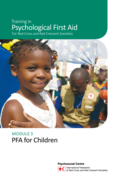
t aims to enable participants to:
know more about children’s reactions to distress
know what psychological first aid for children is and what it is not
understand the three action principles of ‘Look, Listen and Link’ in relation to children
have practised providing PFA t...
Full Length Research Paper
Received 23 March, 2015; Accepted 5 August, 2015
Vol.7(9), pp. 204-213, September, 2015 DOI: 10.5897/IJSA2015.0604
Article Number: F0D0DDC54848
ISSN 2006- 988x
In many conflicts around the world, more children die from diseases linked to unsafe water than from direct violence. UNICEF is releasing Water Under Fire volume 3, a report that highlights the issues children face in accessing water in times of war. The report demonstrates the humanitarian impact o...
Scant data exists on the prevalence of violence against children worldwide. However, available information, including the United Nations Secretary-General’s Study on Violence against Children, shows that violence against children is a global problem. This desktop study aims to glean from published...

The Open AIDS Journal, 2012, 6, 245-258

This field action guide focuses on the first psychosocial assessment to be conducted just after a calamity strikes or just after a major event in an ongoing armed conflict. While it is necessary to update that initial assessment as the emergency situation evolves through the different phases of reco...
The crisis caused by the COVID-19 pandemic exacerbated preexisting structural economic inequalities, and had a disproportionate impact on informal workers, especially on women and young people, who lost jobs and income. The situation was even more difficult for single-parent households led by women,...

N Engl J Med 2022; 386:911-922, DOI: 10.1056/NEJMoa2104535
Four months of antituberculosis treatment was noninferior to 6 months of treatment in children with drug-susceptible, nonsevere, smear-negative tuberculosis (SHINE Study)
Q 10: In adults and children with epilepsy, which psychological interventions used as adjunctive therapies with antiepileptic drugs when compared to placebo/comparator produce benefits/harm in specified outcomes?
Researchers focused on mental health of conflict-affected children are increasingly interested in the concept of resilience. Knowledge on resilience may assist in developing interventions aimed at improving positive outcomes or reducing negative outcomes, termed promotive or protective interventions...
The U.S. President‘s Emergency Plan for AIDS Relief
Pocket book of hospital care for children
recommended
Guidelines for the Management of common childhood Illness. 2nd edition
These guidelines focus on the management of the major causes of childhood mortality in most developing countries, such as newborn problems, pneumonia, diarrhoea, malaria, meningitis, septicaemia, measles and related conditions, ...